
In the past, American voters expressed their disapproval of unwanted wars in the Middle East, and they have done so again. The recent elections mirrored the situation from 2006. Back then, Iraq was the focus; now it’s Iran. The result sees Democrats gaining control of both houses of Congress, flipping at least seven Senate seats, including significant ones in Texas, Ohio, Kansas, and Iowa. Vice President JD Vance blamed the war under President Trump’s administration as the main reason for this shift.
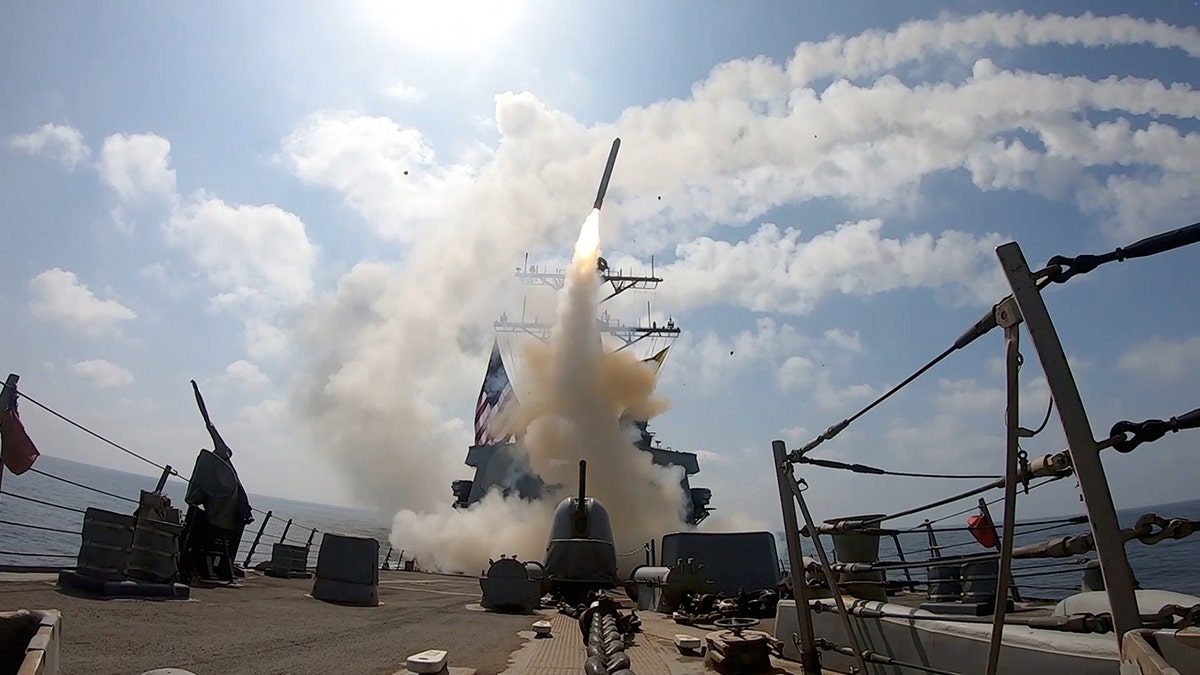
As a Pentagon strategist in the 2003 run-up to the Iraq invasion, I was part of meetings led by Defense Secretary Donald Rumsfeld. We discussed whether the administration had a clear post-Saddam strategy. Today, President Trump confronts his own set of challenges. The achievements of the military in Iran are substantial, yet public support wavers when strategic objectives aren’t clear. Operation Epic Fury, launched earlier this year, faces scrutiny both domestic and international. The attack’s consequences raise questions about its long-term success.
Vice President Vance candidly stated, “The reason we lost is the war.” He questioned whether losing the Senate majority was worth engaging in the conflict. Trump, while acknowledging the war’s influence on the Republican losses, defended his decisions, asserting that preventing Iran from acquiring nuclear weapons is paramount.
“You can’t let Iran have a nuclear weapon,” said Trump.
While this position is understandable, it demands clarification on the war’s long-term achievements. A nuclear-armed Iran poses a threat, yet military actions require clear intelligence and defined outcomes.
Before Operation Epic Fury commenced, I argued that the facts should be established to inform America’s involvement in another Middle Eastern conflict. Now, eight months later, there remains a gap in strategic planning post-mission.
The Fox News Voter Poll highlighted how pivotal the Iran conflict was to voters. Over a third of voters considered it crucial in their House vote. Moreover, close to six in ten disagreed with the administration’s decision to initiate attacks. Another poll revealed a preference among voters to cease military involvement to help decrease gasoline prices over continuing confrontations to halt Iran’s nuclear pursuits.
Now, the administration must reckon with the associated costs. The Pentagon has reported $47.1 billion in war spending thus far, excluding repair costs from damaged bases. Investigations have spotlighted extensive damages, with Congress needing to assess recovery costs.
Furthermore, the deployment of the USS George Washington to the Middle East represents a strategic compromise with implications for prolonged military engagements elsewhere. America’s military decisions need to balance with the larger strategic landscape, especially with China as a primary competitor.
Reflecting on historical lessons, from my service under Lt. Col. Colin Powell in 1974, his doctrine emphasized key principles: clear goals, overwhelming force, public backing, and an exit strategy. These principles need re-evaluation in the context of Iran. The mid-term elections revealed the gaps in alignment with these principles, showing voters’ dissent to prolonged military actions without clear benefits.
After initial attacks, Iran has faced significant setbacks, but its nuclear pursuits remain unchanged. Meanwhile, commercial shipping threats in the Strait of Hormuz persist.
Without readily stepping back, the U.S. needs a refined strategy that transcends mere destruction. Democrats, poised in January, could investigate the military actions and influence appropriations towards a revised strategy. Although Trump retains dominant executive authority, congressional resistance could impact security agendas.
Trump could face mounting pressures to replace Defense personnel whose evaluations will be under the microscope. While some advocate for continued diplomacy, others champion military action, aligning or diverging from allied interests where necessary. The challenge lies in defining a clear victory, whether in nuclear prevention, trade security, or regime change.
In essence, voters’ message serves as a reminder: Parallel to past geopolitical interventions, unsustainable wars without public approval might demand rethinking. As geopolitical observers watch, including those in Beijing and Moscow, America’s responses will have broader implications.
Ultimately, Iran should not see the election outcomes as a sign of reduced resistance, nor should the administration equate military victories with sustainable strategies.
Our armed forces have fulfilled national directives. The President owes them, and the citizenry, an actionable strategy to conclude the mission within acceptable means.