
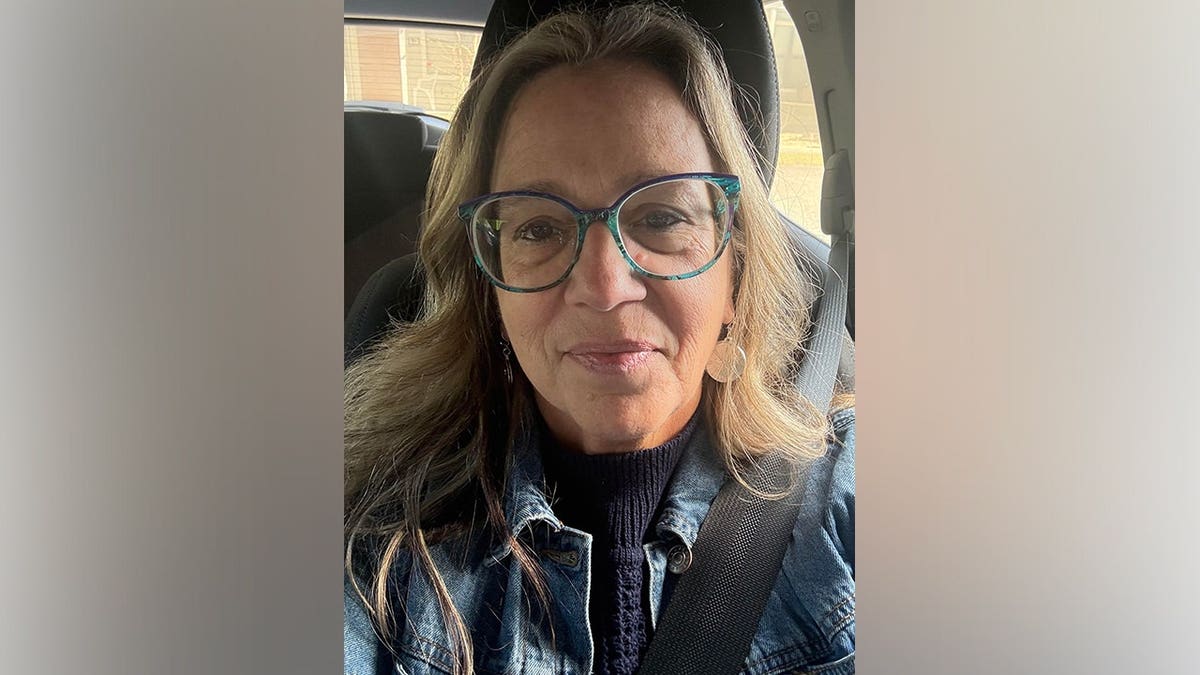
Amy has endured 33 years of trauma from a rape that occurred on Valentine’s Day in 1992 in Virginia. Last year, DNA evidence finally connected the crime to a convicted rapist, leading to a breakthrough in the cold case.
In September 2025, 57-year-old Anthony Favors accepted a plea deal, pleading guilty to two counts of rape in exchange for a 24-year prison sentence. Norfolk Judge Everett A. Martin Jr. ordered Favors to serve 12 years consecutively for each count.
Months later, Amy was notified by an automated VINE text that the Virginia parole board was reviewing Favors’ case for possible release. Expressing her shock, Amy told Fox News Digital, “I finally get some sort of closure and justice. And then I get a text.” She had not been informed of how Favors became eligible for parole.
“I finally get some sort of closure and justice. And then I get a text.”
Norfolk Commonwealth’s Attorney Ramin Fatehi confirmed that a discretionary parole hearing was likely in Favors’ near future due to a bureaucratic overlap. Fatehi explained that the parole board had considered Favors for release on a prior rape conviction but had not granted it, thus legally enabling the upcoming review.
“It’s discretionary because he had been locked up for so long. He is theoretically eligible,” Fatehi stated.
Favors was already serving 60 years for a separate rape in March 1992 when a 2024 DNA match linked him to Amy’s case. Since his offenses occurred before January 1, 1995, Virginia’s prior sentencing laws allowed the parole board to consider him for release. Fatehi noted that the likelihood of Favors’ release was “slim to zero,” yet the mere possibility of a hearing left Amy unsettled.
“The only word I can think of right now, honestly, is disgusting. It’s wrong. How can you do that? Where is my justice?” Amy expressed.
The attack had drastically impacted Amy’s life. Favors assaulted her while she was an active-duty Navy sailor in her Norfolk apartment. Despite her trauma, she reported immediately to her duty shift on a Navy ship after the assault.
Today, the psychological scars affect Amy’s daily life. She experiences severe PTSD, chronic sleep deprivation, and remains hyper-vigilant, constantly checking her door locks.
“Some of the things that I did that I thought were normal, were not normal. And I still do,” she said.
Heather Keeley, director of the nonprofit advocacy group Stand Tall, emphasized that survivors already bear the weight of their past traumas. Granting Favors a parole hearing, she argued, exacerbates that burden as victims must relive their experiences.
Amy plans to request a three-year deferral from the parole board to avoid reliving her ordeal annually. Despite her weariness, she feels compelled to advocate for herself and others who cannot. “I now have to explain myself again as to why he shouldn’t get out… It’s too much. But I gotta speak for me, and I gotta speak for these other victims who can’t speak for themselves,” she said.
Amy is concerned that parole board actions could undermine public trust in the justice system. “If you’re paroling these people, what incentives does that give somebody else? If they’ve been raped or sexually assaulted, what gives them the incentive to go and report it?” she questioned.