
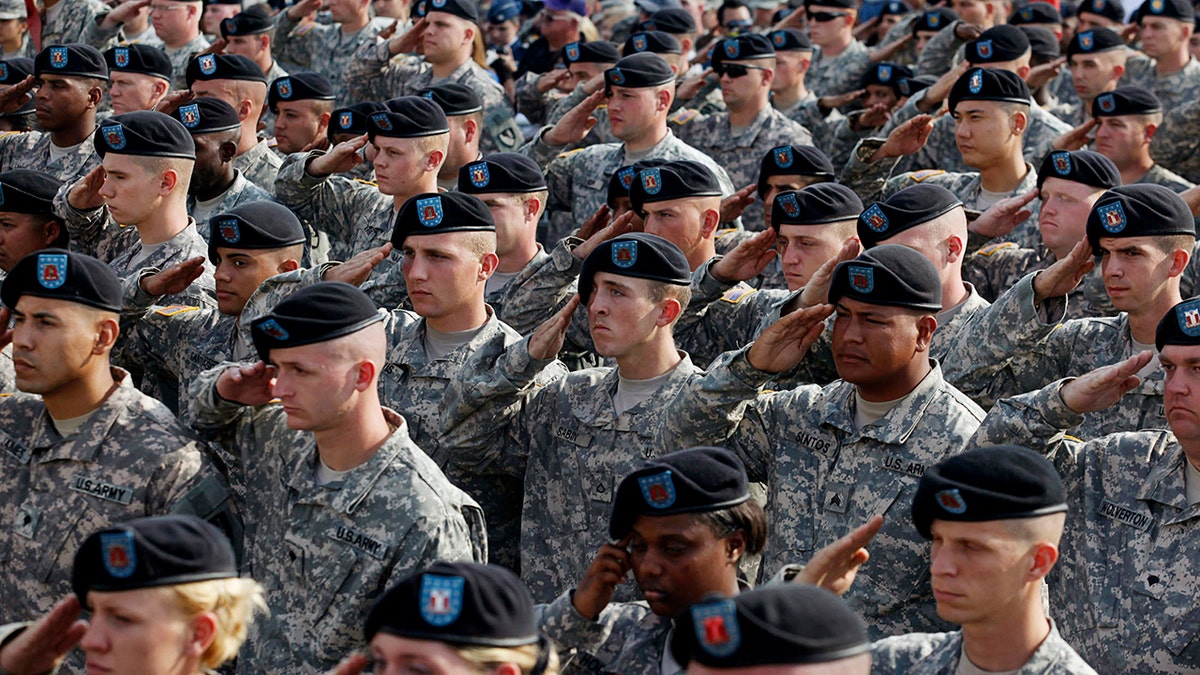
On November 10, 2009, U.S. Army soldiers gathered in respect during a memorial ceremony at Fort Hood, Texas. They honored the 13 lives lost in the November 5 shooting.
Seventeen years have passed since the tragedy. For the families of three victims, life has been about embracing the values and lessons left behind by their loved ones.
Lessons Passed Down
Keely Cahill Vanacker recalls her father, Michael Cahill, for his character and humor. “It builds character, kid,” he would say. Cahill, a former Army National Guard infantryman and a physician assistant, invested his life in helping others.
Vanacker shared how her father often went beyond duty, finding resources for those unable to afford essential medication. His legacy of service continued even after his military retirement at Fort Hood.
Amy Krueger’s Determination
Amy Krueger’s decision to join the military followed the events of September 11, 2001. As a student at the University of Wisconsin-Green Bay, she felt compelled to serve.
Despite her mother’s doubts, Amy’s resolve was clear. She joined the Army and later became a mental health specialist, working on initiatives that supported fellow soldiers’ mental wellness.
In October 2009, Amy was preparing for deployment at Fort Hood—a mission she would never embark on due to the attack.
Justin DeCrow’s Dedication
Justin DeCrow grew up with aspirations influenced by his father, a Vietnam War veteran. Known for his dedication, Justin became a satellite communication instructor.
His wife, Marikay, remembered his commitment both at work and at home. Justin’s connection with Marikay began in childhood, growing stronger through shared life experiences.
The Fort Hood Shooting
On November 5, 2009, Major Nidal Hasan opened fire at Fort Hood’s Soldier Readiness Processing Center, killing 13 and wounding 31. Motivated by extremist beliefs, Hasan’s actions devastated many lives, including those of Cahill, Krueger, and DeCrow.
For the victims’ families, finding peace required piecing together what happened. A year-long wait followed as they sought answers about their loved ones’ final moments.
Impact and Coping
As details emerged, witnesses described how Cahill used a chair to charge at Hasan, a testament to his courage. In 2013, a military jury gave Hasan the death penalty. The families coped with their emotions and sought closure in different ways.
In 2015, Congress expanded Purple Heart eligibility, honoring military and eligible civilian victims of the shooting. For Marikay DeCrow, the coming execution of Hasan brought a sense of relief, while others like Keely Vanacker felt closure came without it.
Remembering and Honoring
The families cherish Nov. 5, focusing on the legacies of those lost. For Amy Krueger, an annual scholarship fund and a themed bar crawl celebrate her memory. Marikay DeCrow plans to witness Hasan’s execution, seeing it as a form of closure.
The event surrounding Hasan’s execution, including a controversial livestream plan, sparked debate. Families expressed relief when it was canceled, advocating against such actions.
Through their grieving, the families have bonded, united by the strength their loved ones embodied.