
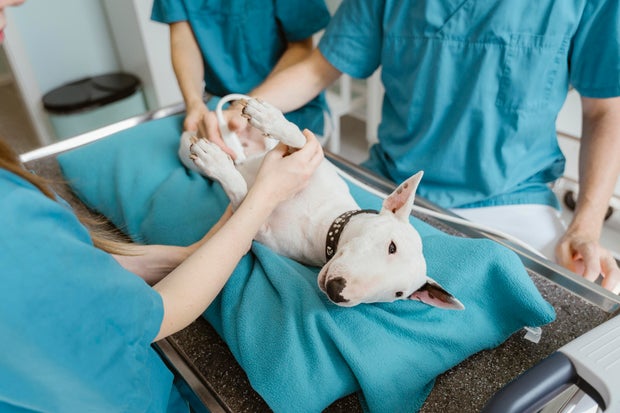
Before purchasing a pet insurance policy, it’s crucial to understand how insurers view a pet’s recent illness. Pet insurance often becomes a priority after unexpected veterinary visits result in a diagnosis and a sizable bill. One health problem can raise concerns about future costs, necessary treatments, and budget strains. However, recent medical history can influence insurance options.
Purchasing Pet Insurance After Illness
In many cases, pet insurance can still be purchased after a pet becomes ill. The key concern is what the new policy will cover.
- Pre-existing Conditions: Pet insurance typically covers medical issues that arise after coverage starts. Insurers generally exclude pre-existing conditions. These don’t require a formal diagnosis; symptoms or treatments before coverage begins can suffice for an exclusion.
- Coverage for New Problems: Pre-existing conditions don’t negate pet insurance’s value. Coverage may still apply to unrelated future illnesses or injuries, subject to policy terms.
- Curable Conditions: Some insurers recognize resolved medical issues differently, allowing certain conditions to eventually qualify for coverage. Check each policy’s fine print for specifics on symptom- and treatment-free periods.
Factors to Consider When Buying Insurance Post-Illness
If your pet has a medical history, choose your policy carefully. Consider more than just the lowest monthly premium.
- Definition of Pre-existing Conditions: Understand the policy’s definition and how far back veterinary records are reviewed. Ask about early identification of potential exclusions.
- Curable Condition Eligibility: Investigate if resolved conditions may eventually qualify and the time requirement for being symptom-free.
- Policy Cost vs. Coverage: Weigh the premium against actual protection. Consider factors like species, breed, age, and location. A policy excluding major issues may have less perceived value.
Buying pet insurance after illness might be feasible. Don’t expect coverage for pre-existing issues. Focus on understanding what new policies still cover. Comparing definitions of pre-existing conditions, curable conditions’ eligibility, and remaining covered illnesses is key. Knowing these details helps to assess if the protection justifies the premium.