
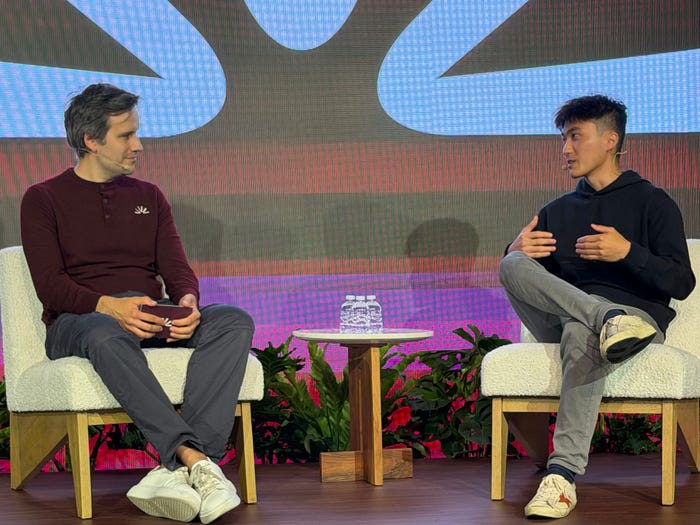
At the recent Fireworks AI’s Forge conference in San Francisco, Instinct founder Noah Shinn explained the swift trust users place in AI technologies. Nearly 40% of users of Instinct, an AI personal assistant, link their credit cards to the platform within just three weeks of use. Shinn regards this as a significant indicator of trust in AI handling financial and personal data.
Instinct is part of a wave of AI agents going beyond simple queries to executing practical tasks like booking flights, purchasing groceries, managing calendars, and canceling subscriptions. As these assistants become more proficient, they require greater access to user emails, calendars, payments, and preferences.
The competition among personal AI agents is fervent, with Meta launching Muse, OpenAI rolling out Dots, and Anthropic introducing Claude Duet, which assists users with task management. Shinn, at 23, measures trust in Instinct by how quickly users allow the service to execute expensive transactions, some over $500 or for costly trips.
Shopping is a crucial function for AI agents. Meta highlighted that more than a quarter of Muse users purchase items through the agent, with average orders surpassing $200. The nature of these purchases, whether flights or appliances, raises intriguing questions. Instinct recently reached a $10 billion valuation after raising $1 billion in September.
Shinn explained the necessity of comprehensive user data accumulation, including emails, calendars, conversations, and preferences, to enhance the assistant’s effectiveness. He described this data collection as substantial.
Future plans for Instinct include real-time voice interactions and adaptive interfaces. Shinn envisions a future where most internet users globally will engage with AI operators like Instinct.
Shinn’s insights reflect broader trends in AI development and user adoption. As these technologies evolve, understanding and managing the intersection of trust and technology becomes critical.