
The recent midterm elections have caused a notable shift in Washington, resulting in a new political landscape. With Democrats in Congress ready to respond to voter demands for change, Republicans have observed a significant loss of their majorities following a strong pushback against President Donald Trump and his administration.
Across the country, Democrats succeeded in unseating Republicans from many regions. This marked a clear rejection of GOP control in favor of new direction for the nation. The results produced considerably larger majorities for Democrats in both the House and the Senate.
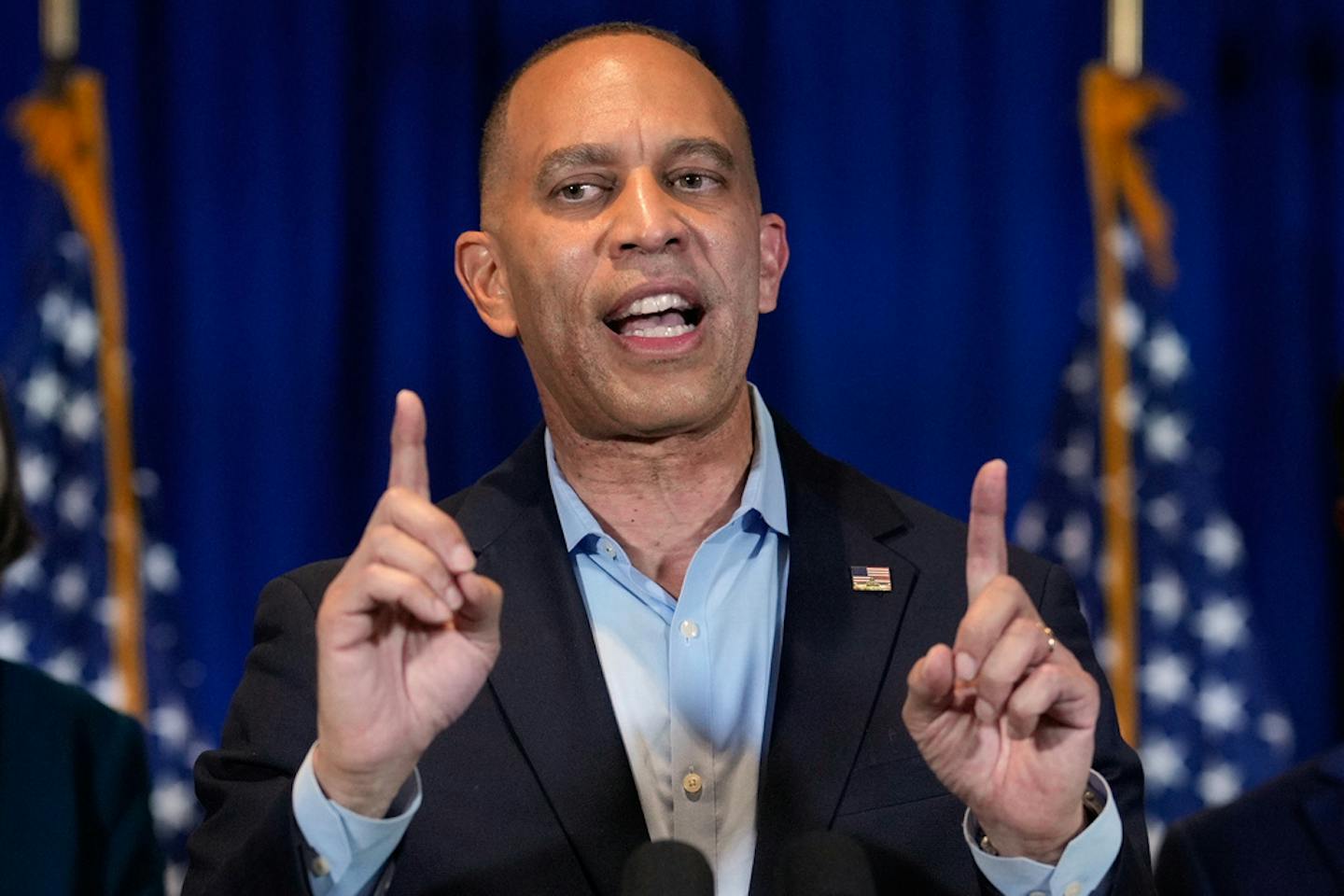
The outcome signals a divided government, with Congress, now more assertive, preparing to establish itself as a coequal branch. Democrats are set to unveil a 100-day agenda aiming to reduce costs for gas, groceries, and healthcare while preparing major oversight and inquiries into Trump and his administration, including the possibility of impeachment. House Democratic Leader Hakeem Jeffries of New York emphasized the election’s message by saying, “We hear you.” Jeffries may become the first Black Speaker of the House when the new Congress commences on January 3, 2027.
Senate Democratic Leader Chuck Schumer acknowledged that while voters may have been more inclined to oppose Trump’s party, there remains skepticism towards Democrats. He pointed out that their sweeping wins, including unexpected Senate seats in South Carolina, Texas, and Kansas, provide them with a chance to validate their trustworthiness.
“Many of the folks who voted for us yesterday are still skeptical, and that’s okay,” Schumer stated at the Capitol.
These developments create new opportunities and challenges for governance as the country’s political balance undergoes significant transformation. The Republican losses, spanning various party factions, reveal widespread voter dissatisfaction concerning the economy and state of democracy.
President Trump expressed willingness to collaborate with Democrats but warned of potential legislative stalemates, indicating he might use veto power against their proposals. He pointed to the situation in Iran as having influenced the election results, attributing high gas prices and voter dissatisfaction partially to the ongoing conflict.
Vice President JD Vance attributed Republican losses to the Iran war, suggesting it had been a costly decision politically. As the GOP assesses their losses, internal shifts are underway. Representative Mike Johnson of Louisiana plans to depart as House Republican leader, sparking a potential leadership contest.
Democrats, meanwhile, pledge to promptly tackle reversing Trump-era cuts to healthcare programs and embark on a wide-range oversight agenda. Stating intent to keep officials accountable, House Democrat Robert Garcia of California issued a stern warning.
“Lawyer up,” Garcia cautioned.
Senate Democrat Ron Wyden echoed this sentiment, preparing for significant scrutiny.
Republicans face a challenging path as they look to the remaining weeks of the current session to advance their agendas and nominations. However, their diminished power limits opportunities.
The new Congress brings several notable newcomers and trailblazers. Juliana Stratton’s election means the Senate will see three Black women in office for the first time. Other historic firsts include Peggy Flanagan as the first Native American female senator from Minnesota, Chris Pappas as the first openly gay male U.S. senator from New Hampshire, and Abdul El-Sayed as the first Muslim U.S. senator from Michigan.
The transformations in this new Congress echo previous political waves such as the voter push during Trump’s term and the Tea Party movement in the Barack Obama era, indicating a vibrant and shifting political climate in the U.S.