
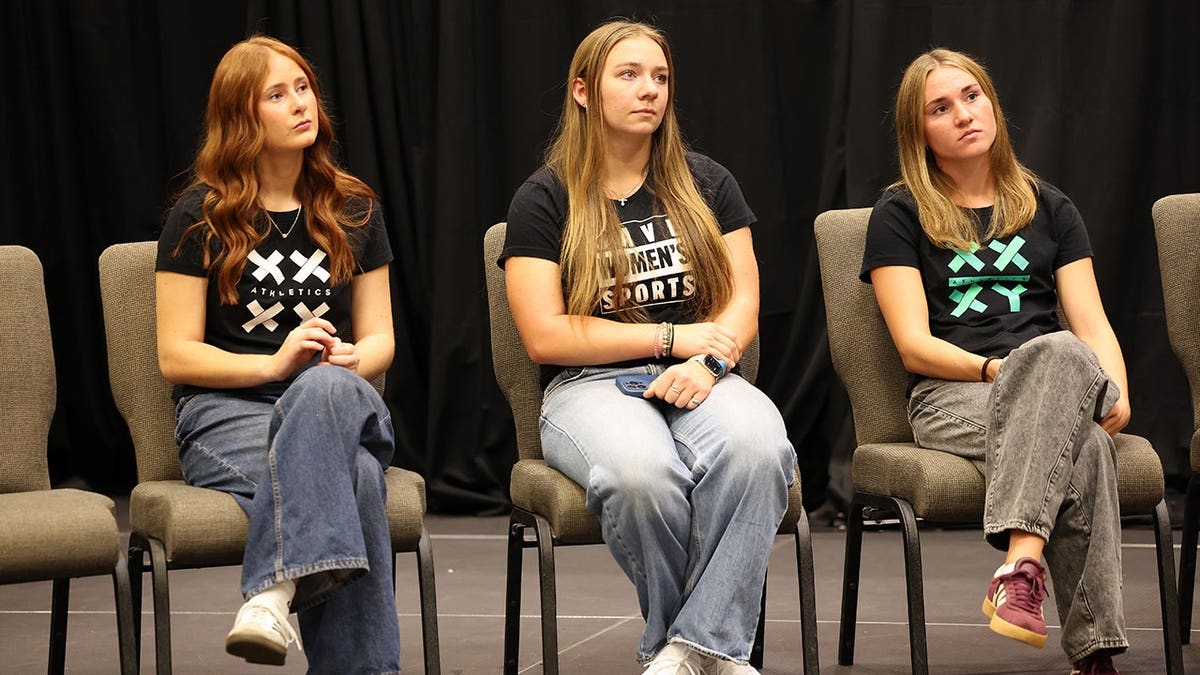
REDMOND, WA — Tuesday night marked a potential landmark victory for advocates of separating boys’ and girls’ sports teams based on biological sex. Frances Staudt, a student from Tumwater High School, joined Let’s Go Washington at a watch party as she celebrated the likely passage of Washington state’s Initiative 638.
Known for her stance on separating sports teams by biological sex, Staudt expressed her joy after years of advocacy. Having faced harassment since refusing to compete against a biological boy in 2025, Staudt voiced pride and happiness over this achievement, stating, “Washington people have had enough.”
The initiative, once approved, would make Washington the first blue state to separate sports teams by biological sex based on voter approval. It held a 13.6 percent lead over the opposition with 60 percent of ballots counted. Forecasting platform Kalshi gauged a 91 percent chance of I-638 passing, signaling a potential new precedent in K-12 sports legislation.
Women’s sports advocates, including Amy Sousa, joined Staudt at the watch party. Sousa, recognized for her decade-long effort towards restrictions on transgender athletes in women’s sports, shared her satisfaction with the initiative’s progress as it could reinforce Title IX protections based on sex.
Initiative 638 emerged from Brian Heywood, founder of Let’s Go Washington, who highlighted its significance beyond political boundaries, framing it as a fairness issue for parents. The initiative reached the ballot after gathering over 445,000 signatures, surpassing the necessary threshold of nearly 309,000.
The campaign spotlighted instances like the controversy at Camas High School where a transgender athlete switched teams mid-season, affecting competition outcomes; this incident amplified calls for legislative change.
The ripple effect of Washington’s I-638 could lead to similar initiatives nationwide. As Washington’s results solidified, Colorado faced its own Proposition 134, mirroring the focus on sex-based eligibility requirements, yet the outcome there remained tentative.
Amid the dynamic shifts, Arizona and Nebraska voters considered their own measures on transgender athlete restrictions in sports. Nebraska sought constitutional reinforcement of existing laws, whereas Arizona aimed to widen current restrictions to private entities.
The unfolding decisions in Washington and Colorado reflect mounting attention on policy changes for girls’ sports, led by voices of young advocates like Staudt. Adult voters followed these calls for action, indicating potential widespread legislative shifts.