
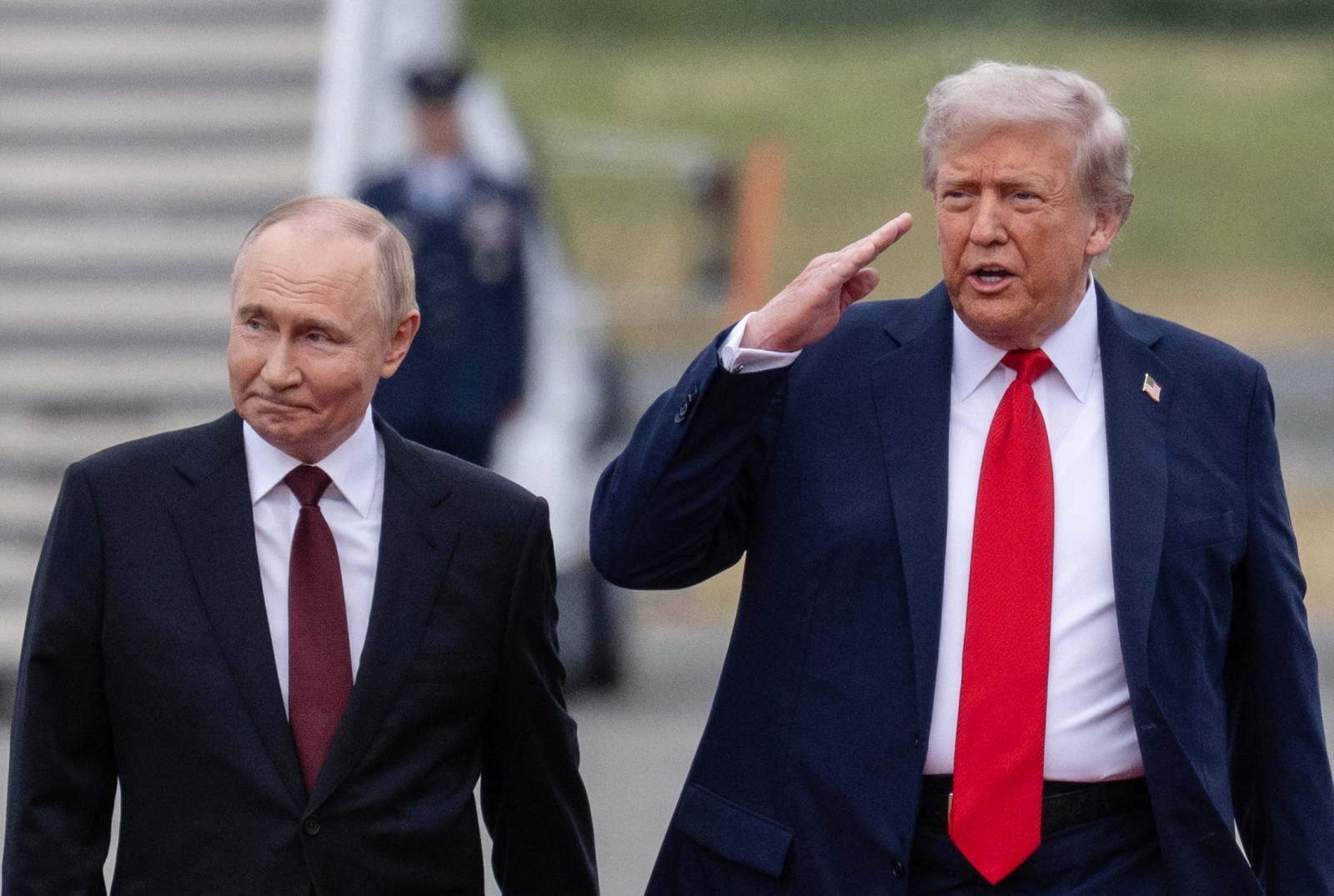
Moscow’s Interests
As America prepares for the midterm elections, the stakes for Russia are high. The current administration’s openness to dialogue with President Vladimir Putin has provided Russia potential benefits, such as eased sanctions and improved economic relations. Leading figures in Moscow, like Alexander Shokhin, underscore the risks of a Democratic Congress which could hinder President Trump’s efforts to modify sanctions policies. The outcome of these elections could affect Trump’s ability to independently lift sanctions, as noted by Shokhin.
Yuri Ushakov, a senior Kremlin aide, confirmed that discussions on easing restrictions on the Russian Direct Investment Fund are ongoing, with hopes of future economic opportunities. Despite these preferences, Putin’s government maintains a non-partisan public stance. Dmitry Peskov, Putin’s spokesperson, emphasized that regardless of election results, Trump remains the president.
Sergei Ryabkov, Deputy Foreign Minister, highlighted skepticism about significant shifts in relations due to America’s bipartisan views on Russia. Instead, Russia focuses on personal diplomacy with Trump and his close advisors. Recent meetings between Putin and U.S. envoys indicate this strategy.
Political analyst Alexander Morozov pointed out that Moscow aims to exploit Trump’s negotiation tendencies to weaken Ukraine. Sanctions relief becomes complicated with a Democratic Congress, but the presidency retains its influence.
Kyiv’s Perspective
For Ukraine, the midterms bring a different focus. A Democratic shift could provide Kyiv more leverage, especially concerning military and intelligence support. Despite tensions over U.S. policy towards Russia, President Volodymyr Zelensky emphasizes bipartisan support.
Even as Zelensky critiques sanctions relief favoring Russia, he actively engages with both political parties. A meeting with a bipartisan group of U.S. senators demonstrated Ukraine’s appeal for unanimous support.
Oleksandr Merezhko, a Ukrainian parliamentary leader, expressed hope for bipartisan backing without differentiating between parties. Denys Sienik, Ukraine’s chargé d’affaires in Washington, reiterated the priority of retaining support from both sides of the aisle.
Recent losses of key pro-Ukraine lawmakers, such as the passing of Senator Lindsey Graham, present challenges. Kyiv needs allies who not only sympathize but also influence U.S. policy towards Ukraine. While Democratic gains might seem beneficial, effective communication with the administration remains crucial.