
Since the 2016 presidential election and the subsequent scrutiny of foreign interference, the focus on securing U.S. elections has intensified. In the lead-up to the 2026 midterms, Secretary of War Pete Hegseth has directed extensive resources to prevent foreign meddling.
Hegseth has mobilized military intelligence and cyber agencies to prioritize election security. This directive spans the Defense Intelligence Enterprise, urging every available asset to counter foreign threats.
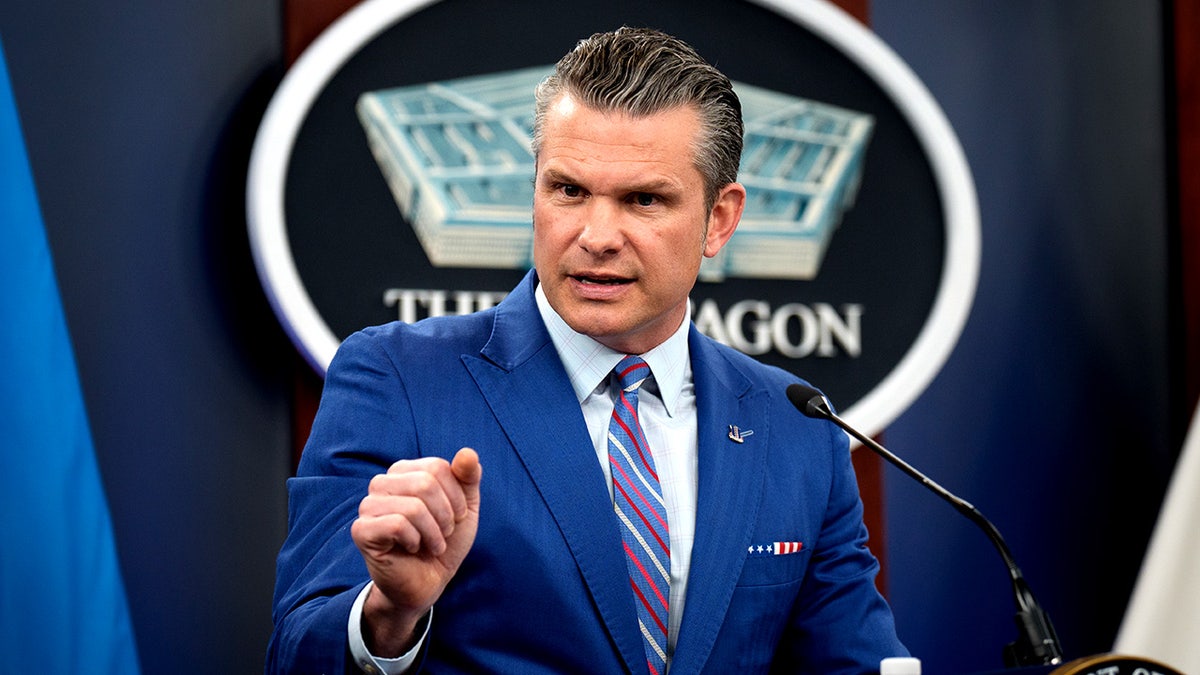
In a recent Pentagon briefing, Hegseth emphasized the importance of this mission. “We are committed to ensuring the integrity of American elections,” he stated, highlighting the department’s enhanced capabilities since previous election cycles.
The September order tasks agencies involved in military and geospatial intelligence with addressing election threats. It demands coordination with Cyber Command, the National Security Agency, and other intelligence entities.
“Mobilize every authorized asset, capability, and partnership,” the order instructs, emphasizing a comprehensive response.
While details on implementation remain sparse, the directive builds on existing efforts. Cyber Command and NSA have long tracked foreign interference, evolving their strategies since the establishment of the Russia Small Group in 2018.
This initiative expanded into the Election Security Group, combining intelligence and operational efforts to counter cyber threats. Former NSA chief Gen. Paul Nakasone described election security as an “enduring, no-fail mission.”
Gen. Joshua Rudd, current head of Cyber Command and NSA, has indicated preparedness for foreign interference. He acknowledged the possibility of threats based on historical patterns, reaffirming the command’s readiness.
Despite foreign influence attempts, intelligence officials report no evidence of tampering with voting machines or election infrastructure ahead of Tuesday’s elections. However, vigilance remains crucial, as disinformation campaigns, particularly those using artificial intelligence, pose significant challenges.
Foreign adversaries like Russia, China, and Iran continue to engage in influence operations. Russia remains the most active, targeting candidates and sowing distrust. China’s efforts have focused on candidates critical of Beijing.
Hegseth’s directive underscores the Pentagon’s responsibility for overseas threats. State and local officials manage elections, while civilian federal agencies oversee domestic security efforts.
The Pentagon has not disclosed whether the directive has led to additional resource allocation, but its commitment to securing the electoral process is evident. As elections approach, the military’s role is integral to safeguarding the democratic process and ensuring the American public’s trust in election outcomes.