
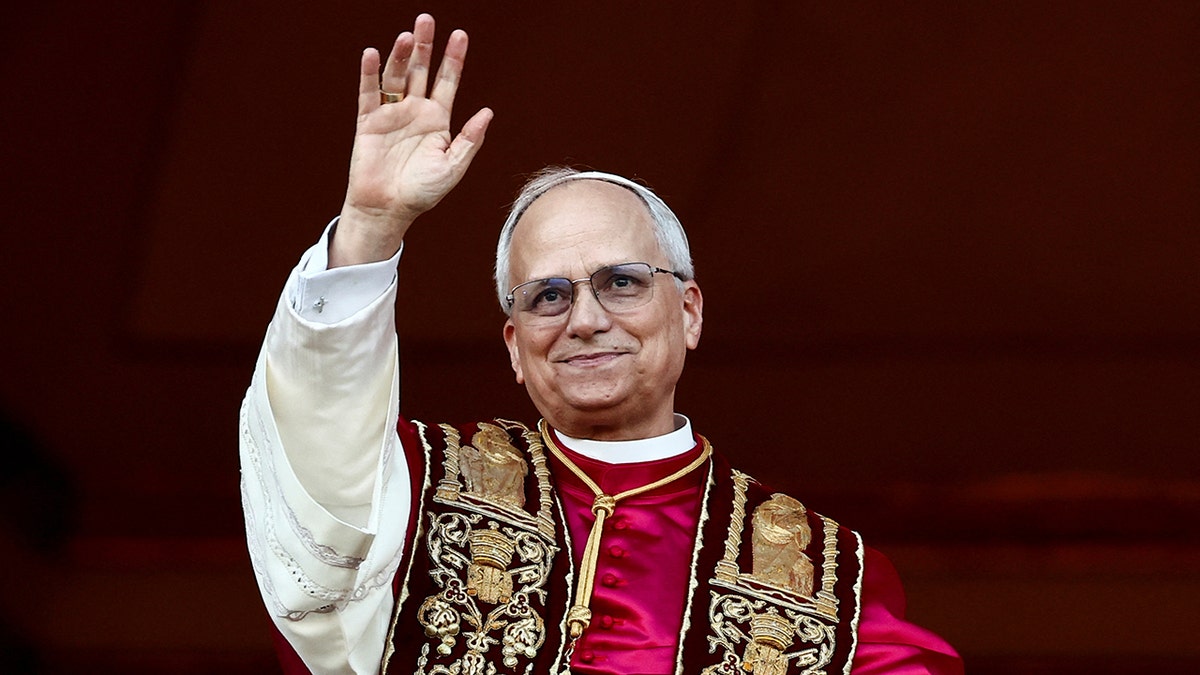
Pope Leo XIV, originally Robert Prevost, humorously commented on the rivalry between Villanova and Notre Dame basketball teams. Despite being Pope, Prevost, a Chicago native, maintained a strong allegiance to the White Sox, leaving some hoping for a change to the Cubs.
Recently, Pope Leo XIV made headlines by becoming the first pope to vote in a U.S. election. He sent an absentee ballot to Will County, Illinois, and voting records confirmed his request for a mail-in ballot. The Vatican, a separate nation with its own government and military, declared Pope Leo has always exercised his rights as a U.S. citizen.
This situation leads to questions about his dual role. The U.S. State Department recognizes dual citizenship, expecting allegiance to both nations. Dual nationals must obey both countries’ laws and may face legal conflicts. When entering the U.S., they must use a U.S. passport, a requirement unlikely for Pope Leo in his capacity as head of state.
The Uniformed and Overseas Citizens Absentee Voting Act permits military personnel and citizens abroad to vote via mail. Yet, should this right apply when leading a foreign state? Dual citizenship is contentious, especially when foreign government heads hold it. Though the election of a pope from the U.S. is unique, it raises the prospect for other countries.
The Vatican’s absence of a policy against such voting is notable but unprecedented. Cardinals pledge allegiance solely to the Apostolic Constitution, ensuring no influence from secular authorities. Once chosen, popes retain existing citizenships.
While many celebrate the historic election of Pope Leo XIV as the first American pope, the dual citizenship debate persists. It presents an interesting scenario for future pope elections. Pope Leo clarified that he doesn’t take sides in U.S. elections, though Robert Prevost does.
Jonathan Turley, a legal expert and Fox News contributor, authored the book “Rage and the Republic: The Unfinished Story of the American Revolution.” A noted legal scholar, Turley has extensively written and testified on constitutional issues, advocating for civil liberties and public interest.