
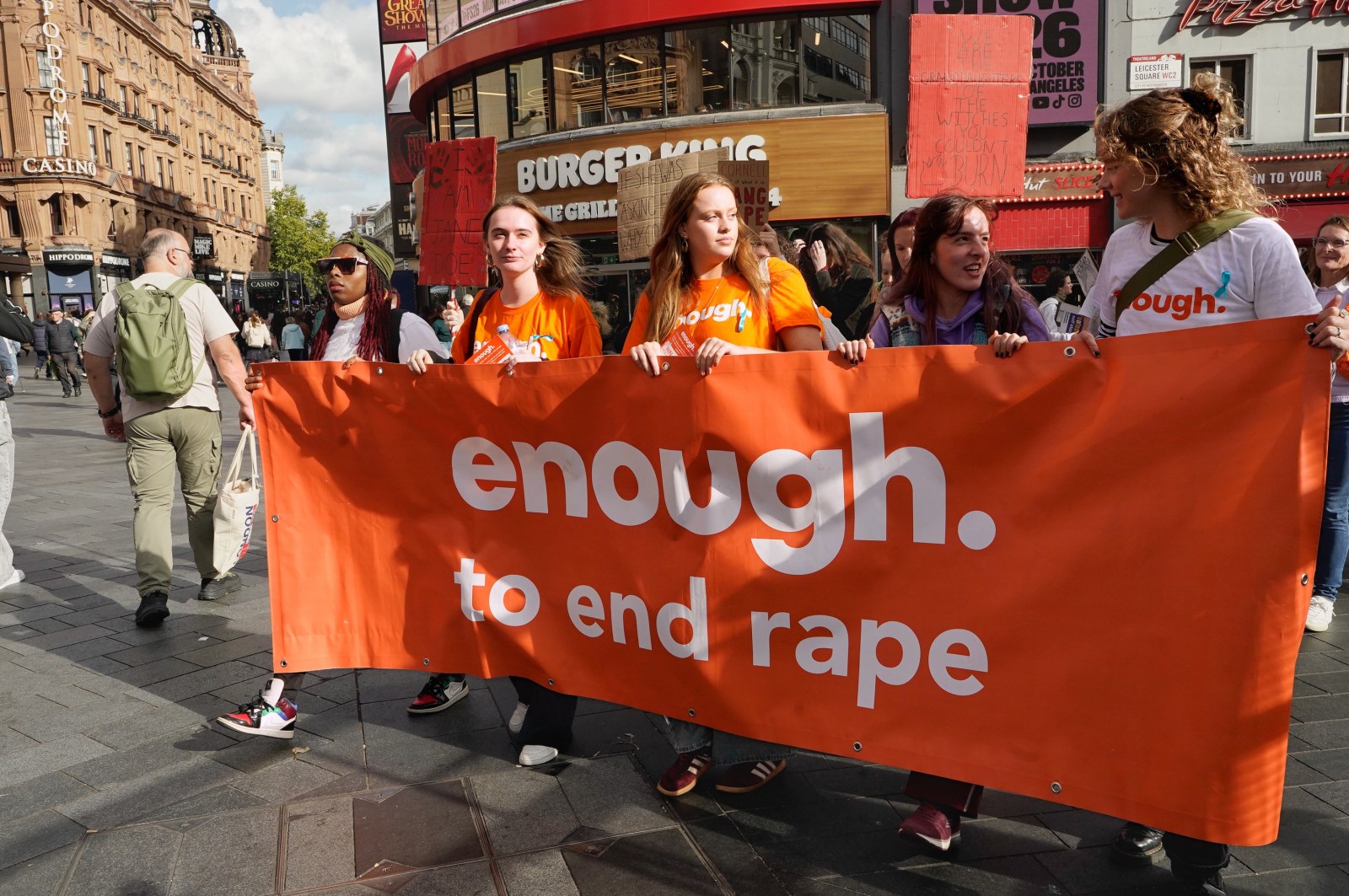
Students from nearly 100 colleges across the nation are expected to join coordinated “Take Back the Night” events on Sunday. Activists say the controversy from Cornell University’s sexual assault case has reignited debate over fraternity culture, campus safety, “rape culture,” and university accountability.
The National Campus Take Back the Night Rally will begin with a national livestream at 8 p.m. EST on Sunday. Hundreds of students will gather on campuses for rallies, marches, and readings of a five-point reform mandate aimed at university leaders. Registration to view the livestream is required at takebackthenight.org.
The rally comes as Cornell, located in Ithaca, New York, faces criticism over its handling of sexual assault allegations tied to the Chi Phi fraternity. This case has sparked protests, donor pressure, and a faculty no-confidence vote, while raising broader questions about college oversight of fraternities and student protection.
“Cornell enabled us to have an entry point and a larger audience for this conversation,” said Katie Koestner, executive director of Take Back the Night.
A 2024 survey conducted by Westat for the Higher Education Sexual Misconduct and Awareness (HESMA) Survey Consortium reported that 18.9 percent of undergraduate women experienced nonconsensual sexual contact involving force or inability to consent since enrolling in college. Among undergraduate men, the rate was 6.5 percent.
Liana Mirvis Galper, a first-year student at Yale University, felt compelled to act on behalf of Cornell’s Jane Doe and other students. Within hours, Galper was named national rally campus coordinator.
“In this month of organizing, we have collaborated with incredible speakers and student organizers as we plan the national event,” Galper said via email.
From Cornell to a National Movement
The mobilization effort quickly expanded to 79 campuses, including schools on both coasts and Hawaii.
“We can’t just have a few campuses,” Koestner said. “We have to invite all the campuses.”
Organizers initially imagined local marches through spaces associated with sexual assaults or administrative failures. As planning progressed, logistical challenges and restrictions led to a national livestream component to allow wider participation. This effort is described as one of the largest coordinated anti-sexual-violence actions on college campuses.
Why Cornell Resonated
The lawsuit filed by Jane Doe, alleging gang rape by Chi Phi fraternity members, highlighted themes central to campus sexual assault debates: fraternity culture, alcohol, university discipline, transparency, and accountability. Accused students deny wrongdoing.
Cornell’s President Michael Kotlikoff acknowledged the criticism and committed to investigating the case.
“We don’t have all the answers, but we are committed to finding the answers our community deserves,” Kotlikoff said.
New York Governor Kathy Hochul announced state police would handle Cornell’s sexual assault complaints.
“I will continue to do everything to ensure survivors are treated with dignity and respect,” the governor stated.
Koestner noted the case’s complexity and involvement of a prominent university grabbed public attention.
A Debate More Than 50 Years Old
“Take Back the Night” began in the 1970s, focusing initially on healthcare access and campus safety before expanding to issues like date rape, fraternity culture, consent, and accountability. Koestner herself gained recognition for publicly accusing a fellow student of rape in 1990, making significant public impact on the conversation around campus sexual assault.
“If you have a problem affecting one quarter of female students and one in 16 male students, action is needed,” Koestner emphasized.
The Role of Fraternities
The Cornell case raises questions about colleges’ relationships with Greek life. Koestner argues universities know where elevated risks exist but often fail to confront them. Fraternity houses have repeatedly figured in sexual assault investigations.
The national Chi Phi fraternity argued it acted promptly after allegations emerged, removing accused members.
Higher education experts warn that stopping fraternity oversight may pose new challenges.
“If you cancel the fraternity parties, where does the socializing go?” Peter Lake, a specialist in student safety, questioned.
Lake said colleges are balancing demands for stronger oversight against risks of pushing behaviors off campus. Cornell suspended fraternity social events amid these debates.
Five Demands of Sunday’s Event
“Take Back the Night” calls for:
- Evidence-based prevention education for all students
- Trauma-informed investigations and independent oversight
- Twenty-four-hour emergency response systems
- Transparency reporting and campus climate surveys
- Using university expertise to modernize sexual assault laws
“Solving rape culture requires determination and commitment,” Koestner concluded.