
College football has seen significant changes in recent years. Historically dominated by the SEC and particularly Alabama, the sport’s landscape now features a broader range of championship contenders.
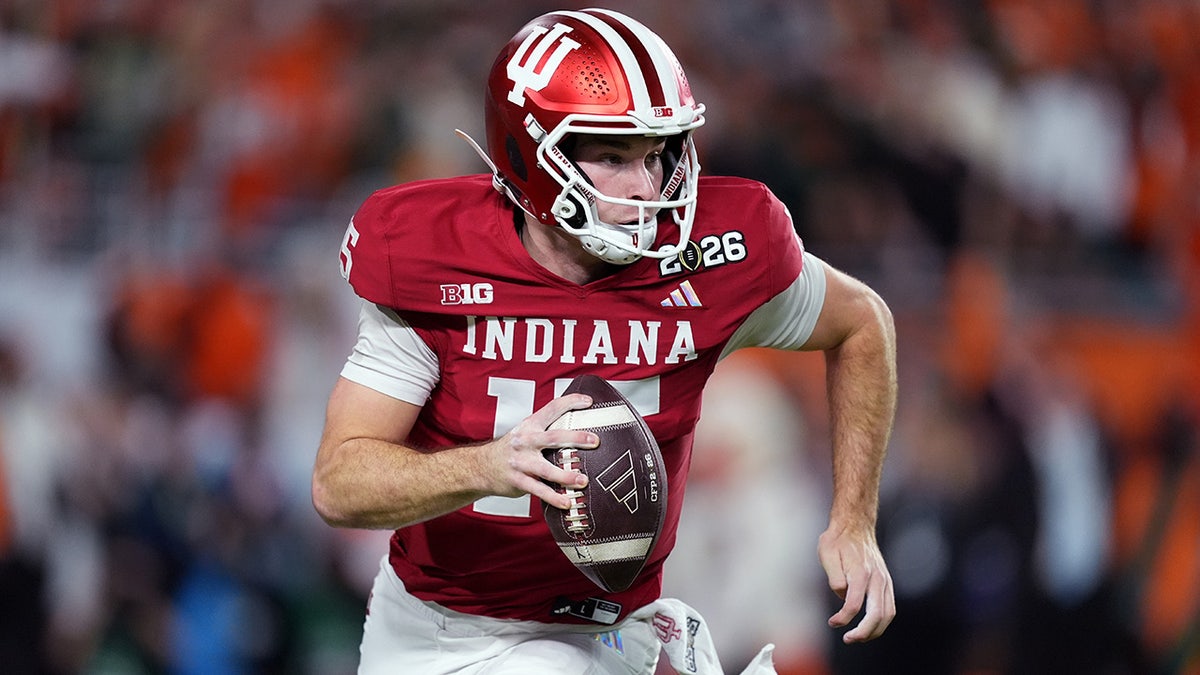
In a notable shift, even Indiana University achieved an impressive 16-0 season, securing a national championship. Such developments highlight the increasing parity in college football.
As of 2026, no team has emerged as truly dominant, even eight weeks into the season. Many attribute this to the Name, Image, and Likeness (NIL) system. In essence, allowing programs to pay players has leveled the playing field.
However, not everyone agrees. Brooks Austin, known as “The Film Guy,” offers a different perspective. In an interview with OutKick, Austin points to the transfer portal as the primary driver of change.Everybody blames it on NIL,” he explains. “I think it has far more to do with freedom of movement. The portal has changed this more than anything else.
According to Austin, top programs like Alabama and Georgia can no longer afford to keep talent on the sidelines for years.Georgia can pay their backup just as much as Wake Forest can pay him to be a starter… so when a backup defensive tackle has been sitting on the bench for 2 years, he wants to play.
Teams must now manage their rosters differently, as players seek playing opportunities elsewhere. While NIL is a factor, Austin emphasizes the role of the transfer system.But I think a lot of it also has to do with the fact that we’re actually able to transfer, we’re able to go.
The 2025 SEC Championship Game exemplifies this shift. Both Georgia and Alabama faced challenges with starters, but depth was less of an issue in previous years.I remember that same situation happening in 2022 before the portal got absolutely rampant and Georgia loses the starting left tackle and it’s like, OK, don’t worry. Here’s Broderick Jones.
Austin notes that players like Broderick Jones, who previously waited for their chance, are now opting to play elsewhere.
In summary, while both NIL and the transfer portal contribute to the current parity in college football, the freedom of movement through transfers stands out as a key factor.