
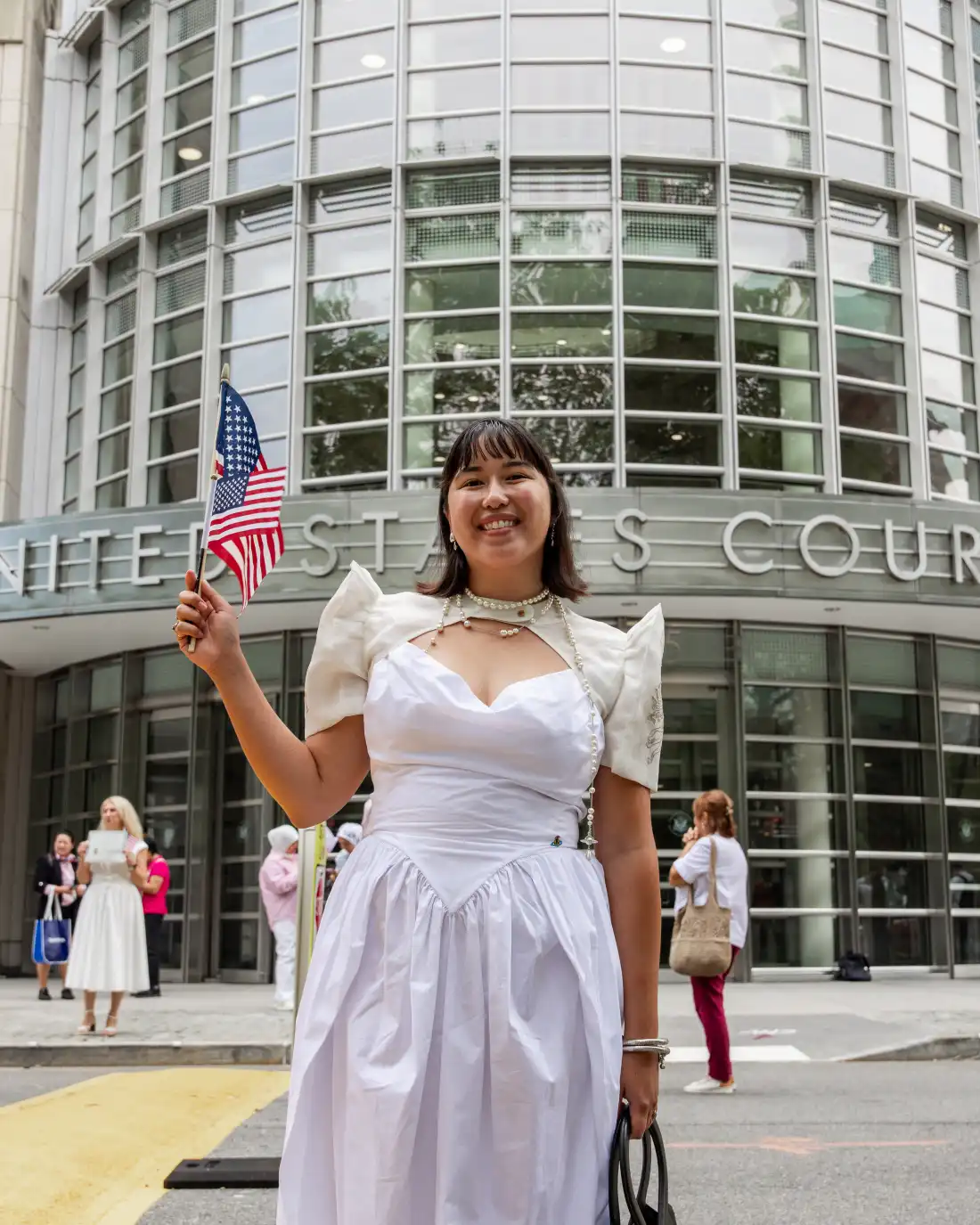
The Journey to Citizenship
Nicole Solis-Sison moved from the Philippines to the United States at seven years old. Her family sought asylum, fleeing the Philippine government, and expected a temporary stay. However, complications arose, leading immigration agents to advise them to apply for asylum. This process changed their course, eventually granting Solis-Sison citizenship after navigating the system for over two decades. At 34, she proudly casts her vote in New York City.
Voting with Responsibility
Like many young voters, Solis-Sison is concerned about economic issues such as home ownership and student loans. However, her immigrant background deeply influences her voting decisions. She feels a duty to protect others undergoing similar challenges, understanding the hope required to endure the immigration journey.
Juan Escalante’s Story
Juan Escalante, originally from Venezuela, discovered his undocumented status during high school in Florida. His parents faced faulty legal advice, complicating their immigration status. Escalante became a citizen through DACA under the Obama administration and graduated college as the first in his family. Now, at 37, he votes for the first time, feeling the power and responsibility of his ballot.
Significance of Voting
Escalante views voting as personal and emotional, reflecting his values and supporting his community. Despite navigating an overwhelming ballot, he meticulously researched propositions and candidates. His vote aims to safeguard his family’s future and maintain their immigration status.
Impact on Mixed-Status Families
Deisy España, a U.S. citizen from a mixed-status family, felt the tension surrounding her undocumented parents. Though her mother has a green card now, fears persist, particularly with ICE’s presence under President Trump’s administration. España votes for her parents, who can’t vote, emphasizing the importance of their representation.
Leydi Gonzalez’s Experience
In Texas, Leydi Gonzalez, an American citizen with Salvadorian parents, anticipated helping her parents gain legal status once she turned 21. Her sponsorship provided them legal authorization, yet worries remain, especially since her community faces challenges, such as the killing of Lorenzo Salgado Araujo by an ICE agent. Gonzalez votes to ensure her family’s security.
Final Thoughts on Change
Both España and Gonzalez reflect the profound impact their votes have on their families and communities. As elections approach, they hope for change, particularly in Congress. Their voting decisions extend beyond personal interests, aiming to provide security and representation for their loved ones.