
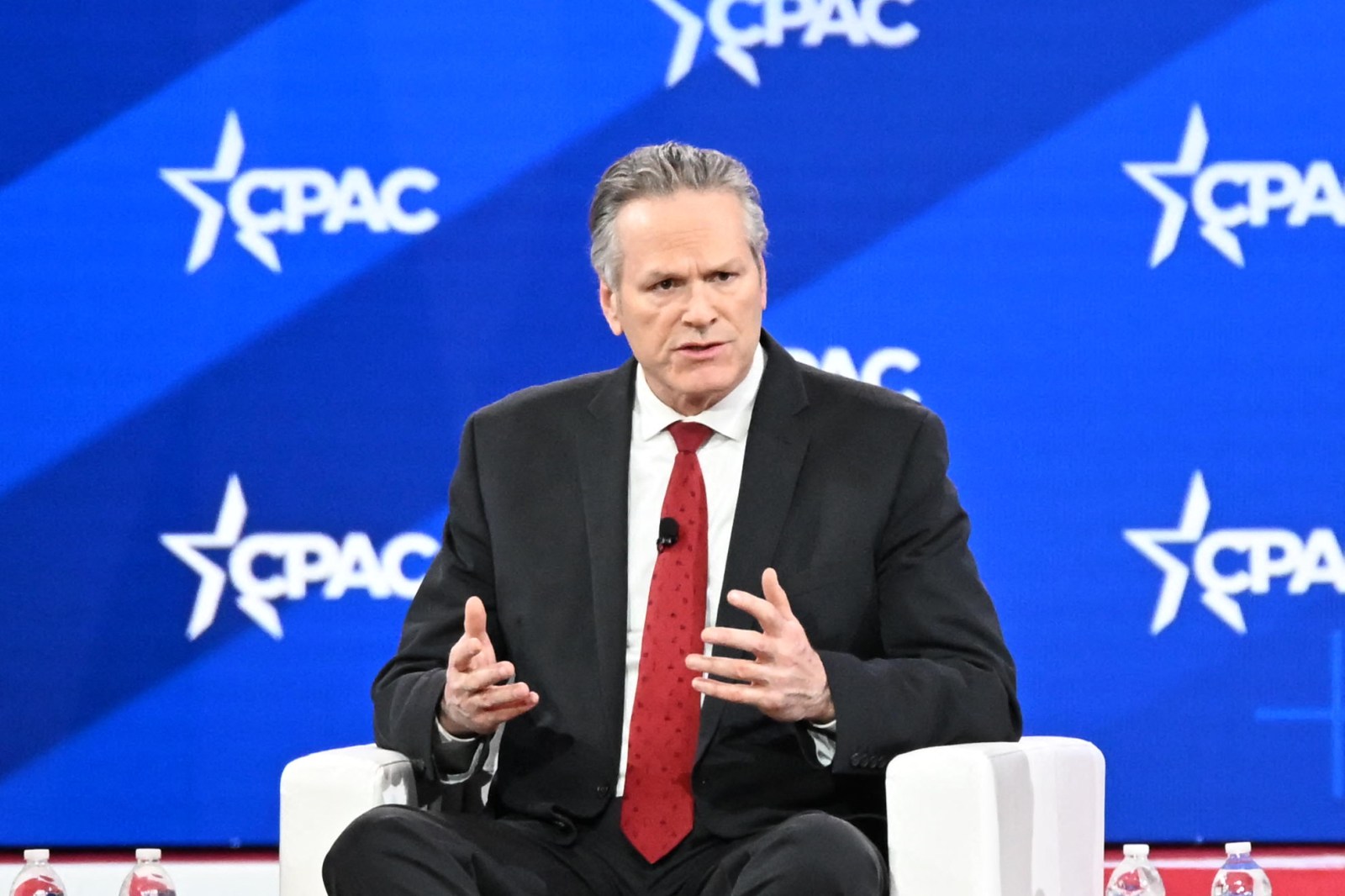
Alaska Governor Mike Dunleavy has initiated a state investigation into allegations involving Democrat Mary Peltola’s U.S. Senate campaign. The accusations suggest that her campaign attempted to recruit candidates to draw votes away from Republican Senator Dan Sullivan. This development intensifies an already contentious dispute mere days before the November 3 midterm elections.
State Investigation Details
Dunleavy, a Republican, has instructed the Alaska Department of Public Safety to determine if the alleged ballot manipulation contravened state law. He indicated that The New York Times provided significant evidence of an organized strategy involving candidate recruitment tactics.
The investigation stems from claims that individuals associated with Peltola’s campaign, along with Democratic Senatorial Campaign Committee aides, sought to enlist Daniel J. Sullivan Jr., among others, as potential candidates. The Times’ report involved interviews and text messages, although Peltola’s campaign and the DSCC refute the recruitment allegations.
Legal Ambiguity and Election Rulings
A major legal question remains: whether encouraging candidates to divert votes from Sullivan violates Alaska law. Jeff Feldman, a law professor at the University of Washington, noted the difficulty in identifying applicable legal provisions. Earlier, attempts to remove Sullivan Jr. from the ballot were unsuccessful after a judge decided that Alaska law does not demand candidates to affirm “good faith” in their intentions.
The Alaska Supreme Court subsequently upheld this decision, allowing Sullivan Jr. to remain a candidate despite accusations of misleading voters. Concurrently, the state faces a separate lawsuit from the Justice Department regarding the same election.
Reactions to the Investigation
The Alaska Department of Law has requested a federal judge to dismiss the Justice Department’s case, citing insufficient authority for federal interference in state elections. Feldman believes that Dunleavy’s investigation presents a separate legal issue concerning Alaska law, distinct from the Justice Department’s federal case.
Trump’s Involvement and Political Response
Former President Donald Trump has voiced significant criticism following the Times’ investigation. Trump has suggested the removal of Peltola and Sullivan Jr. from the ballot, accusing Democrats of orchestrating voter confusion. He claims the DOJ’s lawsuit results from his own urging.
Vice President JD Vance expressed a moral condemnation of Peltola’s actions, diverging from Trump’s stance regarding criminality. Trump has not specified a violated criminal statute but had previously attacked Sullivan Jr.’s candidacy.
Candidate Positions
Peltola’s campaign denies any involvement in recruiting Sullivan or other candidates. Daniel J. Sullivan Jr. asserts his candidacy stemmed from personal dissatisfaction with Senator Sullivan’s policies. Meanwhile, Senator Sullivan’s campaign accused Peltola of misleading voters.
Sullivan Jr.’s candidacy caused confusion due to electoral registration changes; his ballot status now reflects “undeclared” after a switch from Republican affiliation.
Polls and Electoral Importance
Polls show a narrow lead for Peltola against Sullivan, highlighting the competitive nature of the race. The ranked-choice voting system in Alaska complicates predictions, emphasizing how secondary preferences and elimination of minor candidates impact the election outcome.
The Alaska Senate contest holds significant implications for Senate control. For Democrats, Peltola represents a potential breakthrough—the state has not seen a Democratic senator since 2008.
Legal and Political Implications
Governor Dunleavy’s investigation examines whether alleged candidate recruitment efforts breach distinct Alaska laws. Legal challenges coincide with political tensions, highlighting complex intersections between state investigations and federal lawsuits.