
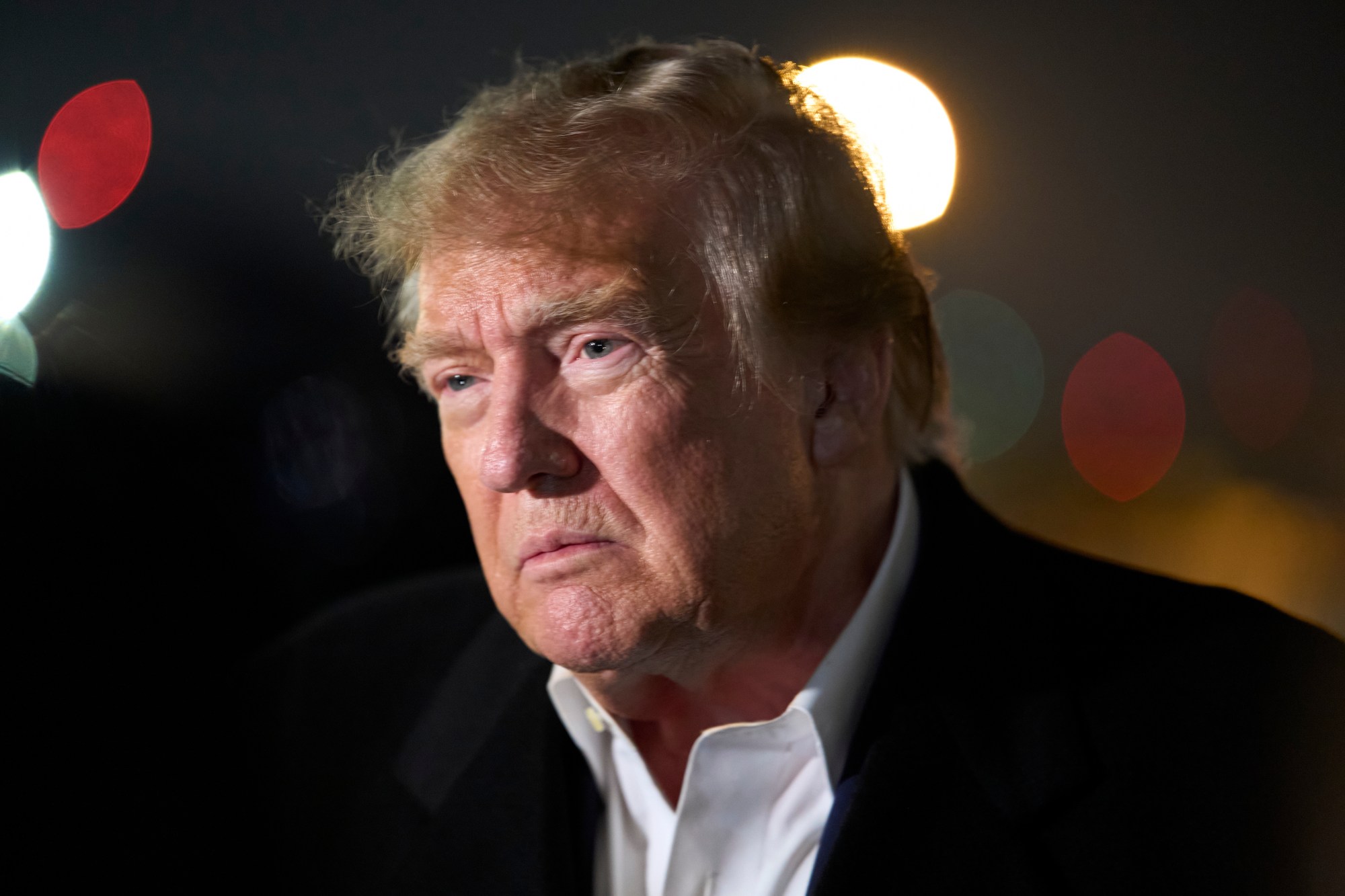
President Donald Trump recently arrived at Joint Base Andrews, highlighting the current political climate. Despite often avoiding admissions of error, there’s acknowledgment that certain strategic decisions might not have been ideal. Concerns revolve around inflation, the trade conflict with Canada, and Senate candidate choices.
Current projections suggest a possible shift in Senate control. Republicans face a challenging landscape, and losing the Senate seemed improbable a year prior. Yet, Democrats are gaining ground, including in previously secure Republican states.
The Senate Landscape
Previously secure seats for Republicans in places like Ohio and South Carolina now show competitive races. Polls indicate Democratic advantages even in states Trump previously won by significant margins.
The RealClearPolitics averages have Democrats leading in key states. In Texas, a narrow lead by James Talarico against Ken Paxton requires an overwhelming win among undecided voters for a Republican victory.
Trial by Numbers
The challenge for Republicans is evident. Trump’s approval ratings remain low, and national sentiment leans negative. Even if there’s a polling error benefiting Republicans, power retention would depend heavily on voter turnout among those dissatisfied.
While some suggest unlikely candidate victories could secure a slim Republican majority, the overall sentiment reflects dissatisfaction. Political figures like Abdul El-Sayed in Michigan and Troy Jackson in Maine demonstrate the vulnerability of Republican incumbents in these races.
Future Implications
The uncertainty of the Senate race questions previously assumed Republican dominance. Even a narrow majority would involve handling unpredictable figures within their ranks. This unfolds amidst a broader presidential ambition narrative.
Keith Naughton, a former campaign consultant and co-founder of Silent Majority Strategies, provides commentary through his Substack, ‘Betting On Politics.’