
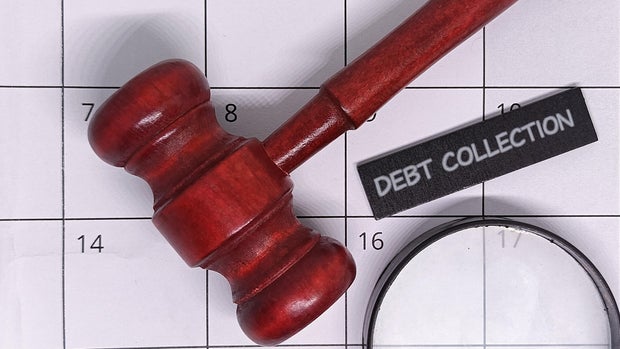
Falling behind on debt can lead to significant stress. When your debt moves to a collection agency, the situation often feels more intense. Collection agencies may call or send letters requesting payment. This can create pressure, especially for those struggling to manage monthly expenses.
Many Americans deal with tight budgets and high-interest debts. In a survey by Freedom Debt Relief, 36% of Gen Z borrowers and 34% of millennials struggled to make more than the minimum monthly payments on over $10,000 in unsecured debt. This highlights ongoing financial stress among younger people.
What to Expect When Your Debt Goes to Collections
Moving a debt to collections has real consequences, but you still maintain some control. Here’s what to anticipate:
Expect Contact from a Collection Agency
Once a debt goes to collections, you’ll hear from a new party, the collection agency. They may contact you by phone, letter, email, or text. The focus is on resolving the unpaid balance. Communication may increase if payments remain unpaid.
Debt collectors must provide a validation notice early in the process. This notice includes information about the debt, the creditor, and how to dispute it. You have 30 days to dispute any inaccuracies, requiring the collector to pause collection activity until verification.
Legal Processes Needed for Wage Garnishment
There’s concern about wage garnishment when debts go to collections. However, collectors cannot automatically garnish wages. They must sue, secure a court judgment, and follow legal steps. Federal student loans and government debts may have different rules.
Ignoring a lawsuit can worsen matters. Missing court summonses might lead to a default judgment, eventually resulting in wage garnishment or account levies.
Effect on Your Credit
Your credit can suffer due to a collection account. The original creditor may have already reported missed payments, hurting your score. If the collection account goes to credit bureaus, it might damage your credit further, remaining up to seven years from initial delinquency.
Not all agencies report to bureaus, and new scoring models may overlook paid collections. Medical debts might also be treated differently.
No Risk of Arrest for Debt
Many fear arrest over unpaid debts. While some collectors use intense language, failing to repay consumer debt isn’t a crime. They cannot legally threaten arrest for unpaid credit card, personal loan, or medical debt. However, court orders need attention. Failing to comply might lead to separate legal consequences.
Potential for Negotiation
Despite demands for full payment, options exist. Depending on your financial state, negotiating with debt collectors might involve settling for less than owed or arranging smaller payments.
If you owe significant sums, try setting a feasible monthly payment plan. Alternatively, offer a reduced lump sum. Ensure the debt is legitimate beforehand, confirm authorized collectors, and obtain written agreement terms. Be cautious, as some payments may reset the statute of limitations in certain states.
Limits on Collector Contact
Collectors can’t use endless pressure tactics. Federal laws limit third-party debt collector contact, ensuring fair practices.
Collectors generally can’t call before 8 a.m. or after 9 p.m., and are prohibited from harassment, abusive language, or deception. You can request in writing to cease communication, although they may still send legal notices.
Ending contact won’t erase the debt. A collector may pursue legal options like filing a lawsuit if enforceable.
Conclusion
Facing collections is serious but doesn’t mean immediate financial disaster. Legal protections and options exist. Verify debts, know your rights, and consider approaches like debt negotiation or seeking credit counseling. Avoid fear-driven decisions, and choose a path that aligns with your financial situation.
Edited by Matt Richardson