
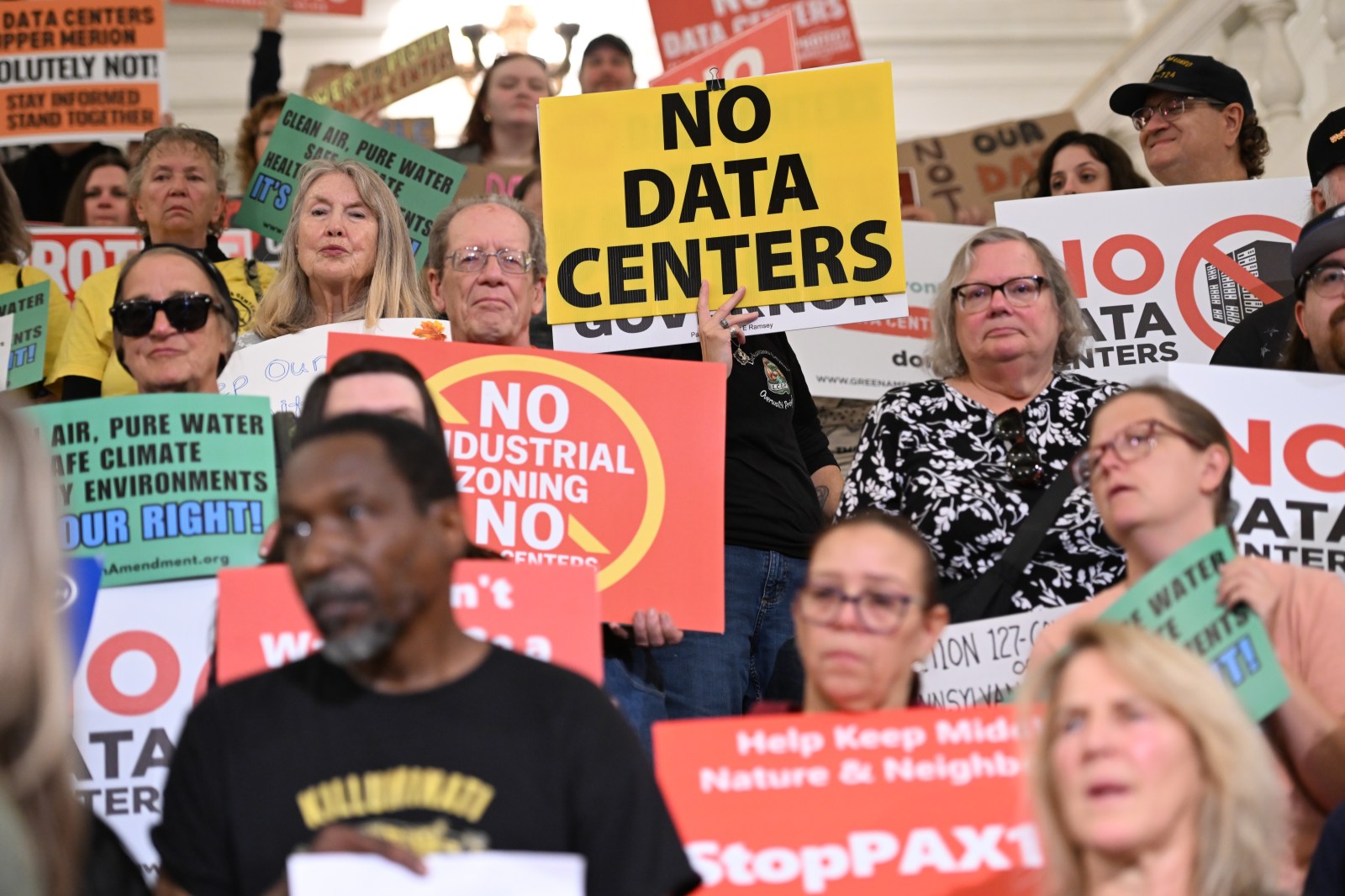
The rise in data center construction in America, driven by artificial intelligence demands, poses threats to green spaces, waterways, and animal habitats. Developers face pressure to address environmental concerns linked to habitat loss, electricity and water consumption, noise, lighting, and potential pollution.
Impact on Green Spaces
High-profile disputes in states like Nevada, Virginia, and Tennessee highlight the tensions between data center developments and environmental protection. Conservationists stress that transforming forests and sensitive ecosystems into data centers can have lasting consequences.
Aimee Delach from Defenders of Wildlife warns about potential habitat loss and fragmentation, underscoring the need for careful consideration of wildlife during construction.
Golf Courses and Data Centers
Data center proposals are replacing golf courses, impacting recreational green spaces. In Pennsylvania, Dauphin Highlands Golf Course closed to make way for a major data center development, driven partly by financial woes and a significant transaction with Provident Realty.
Similar closures and developments are occurring across the country, including Briarwood Golf Club and Fountain Valley Golf Course. While golf courses are not untouched wilderness, they offer shelter for birds and insects.
Public Lands Controversies
Disputes are emerging over data center developments on public lands. In Nevada, the Center for Biological Diversity and the Sierra Club raised concerns about the Townsite Data Center, citing inadequate environmental review and public consultation.
Patrick Donnelly from the Center for Biological Diversity advocates keeping public lands for wildlife and recreation, not technology developments, while Olivia Tanager from the Sierra Club warns against setting precedents for future projects.
The environmental groups achieved a legal win as construction was halted by a federal appeals panel due to concerns about incomplete environmental review.
Challenges in Water-Rich Regions
Data centers like those in The Dalles, Oregon, may stress water resources needed by vulnerable species such as coho salmon and bull trout. Increased demand could alter water temperature and quality, impacting cold-water species’ habitats.
Data centers consume varying amounts of water, but large developments competing for limited resources must evaluate environmental consequences thoroughly, especially in drought-prone areas.
Wildlife Risks in Virginia
Concerns in Southwest Virginia about data center impacts on local species emphasize the need to protect turtles, bats, and birds. Habitat loss, water issues, and noise from construction can disrupt wildlife’s natural behaviors.
Google’s proposed data center in Botetourt County plans seasonal tree-clearing restrictions to minimize bat disturbances, although permanent habitat loss remains a concern.
Despite ongoing wildlife concerns, the project progresses with initial grading permitted while further environmental permits are reviewed.
Nashville’s Crayfish Risk
In Tennessee, DC BLOX’s data center proposal near Nashville Zoo raises concerns about endangered crayfish and habitat. Stormwater runoff and artificial lighting threaten tributaries and wildlife behavior.
Local opposition has led to a temporary moratorium and additional rules, with the Metro Council halting new data center permits. Public advocacy remains influential, as demonstrated by extensive petitions and legal developments.
Environmental Protection Concerns
Recent changes to environmental laws may ease development processes, risking protections for vulnerable habitats. The Supreme Court’s decision affecting federal wetland protections underscores the need for more oversight at state and local levels.
Wetlands and streams play vital ecological roles, and gaps in oversight could harm habitats. Thorough evaluation of projects before construction is crucial to preventing damage to sensitive areas.
Evaluating environmental impacts outside immediate project boundaries is vital as data centers continue to advance.