
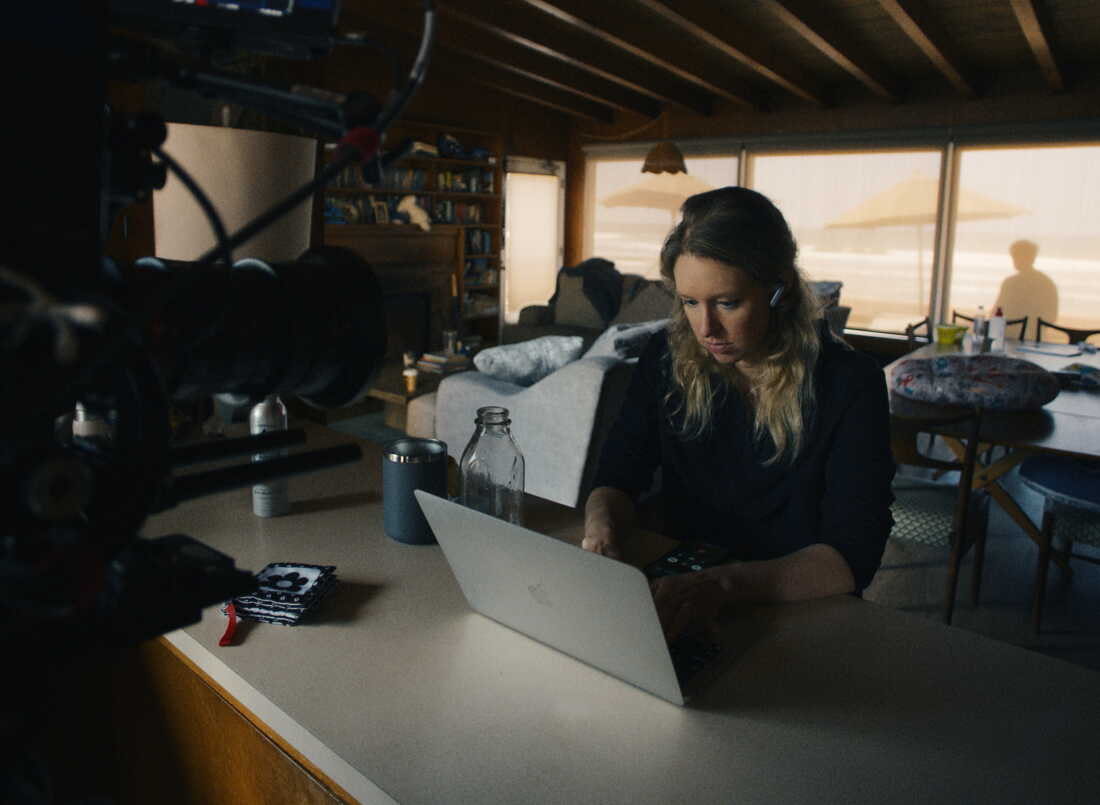
Elizabeth Holmes was once celebrated as the youngest self-made billionaire in the United States, but her success story unraveled dramatically. Her rise and fall are depicted anew in the near three-hour documentary, You Can See Everything. Premiering in 2023, the film offers a unique perspective on Holmes’s life as she prepares to serve her sentence for fraud.
The Allure of Elizabeth Holmes
Holmes became prominent in 2014 with her company Theranos, claiming to revolutionize healthcare through innovative blood-testing technology. This promise drove her net worth and public image, until investigative journalism revealed the technology’s flaws. In 2022, Holmes faced conviction on four fraud counts, resulting in an 11-year prison term. Her story has been depicted in various media, including Alex Gibney’s documentary The Inventor and the miniseries The Dropout, with Amanda Seyfried earning accolades for her portrayal of Holmes.
A Different Cinematic Approach
The documentary, You Can See Everything, presents Holmes not through a conventional lens but with a distinctive narrative approach, intertwining elements of humor and deep inquiry. Filmmakers Nathan Fielder and Lance Oppenheim take viewers into Holmes’s life at her San Diego beach house with her partner, Billy Evans, and their children, framing her last moments of freedom before imprisonment.
The film’s title reflects Holmes’s declaration of full access. Viewers are encouraged to ponder her motives for allowing this transparency; it poses the question of whether she’s attempting to reshape her public persona. Yet, her partnership with Fielder, known for his quirky comedic style, adds an unpredictability to the narrative.
Interrogation and Mysteries
Throughout the documentary, Fielder engages Holmes in interviews, aiming to reveal contradictions. He contrasts her claims with infamous comedic sketches and films, exploring her responses to humor and reality. One scene involves Holmes analyzing The Dropout, exposing her discomfort confronting her past actions.
Unexpected Twists
As Holmes faces incarceration, the focus subtly shifts to Evans, unveiling layers of his own possible opportunism. The film introduces a new character whose presence deepens the narrative intrigue, drawing viewers toward unforeseen plot developments.
Fielder’s reflections on his documentary role add an introspective layer, questioning the nature of documentary filmmaking itself. Co-director Oppenheim, recognized for films like Primetime, contributes significantly to the film’s visual and auditory elegance, enhancing the documentary’s immersive experience.
An Experience for the Big Screen
You Can See Everything is poised as a compelling documentary viewing experience, best seen in theaters. The production’s visual clarity and complex narrative invite audiences to explore the enigmatic world surrounding Elizabeth Holmes, leaving room for numerous interpretations with each frame.