
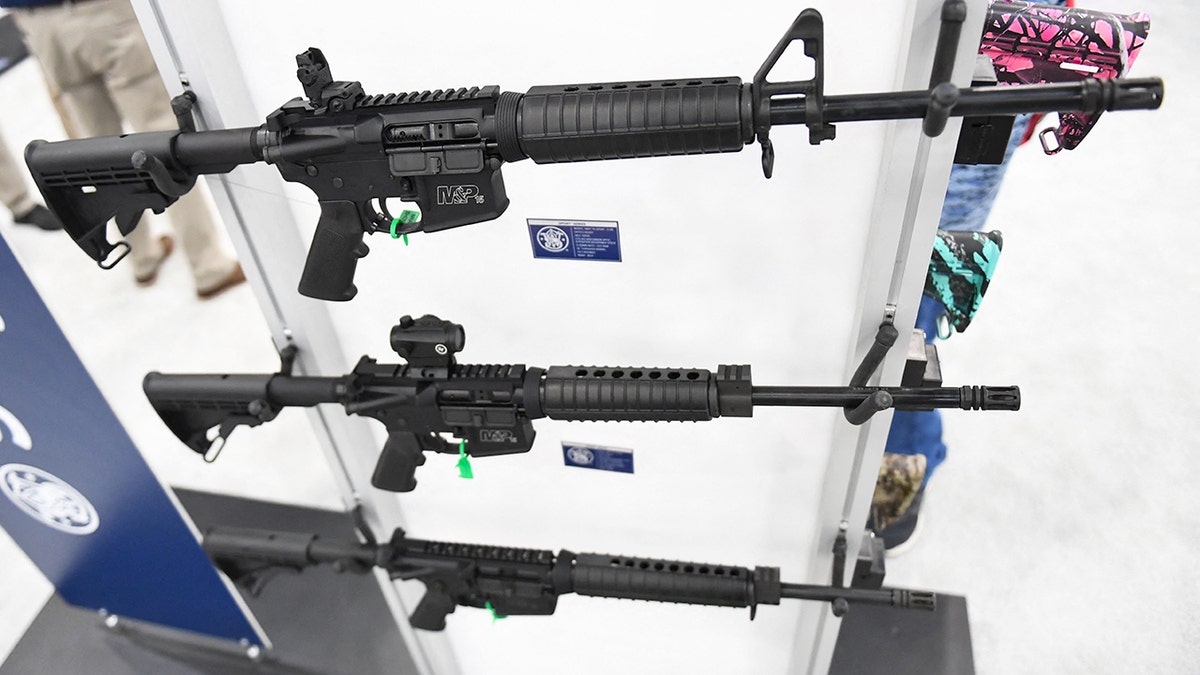
Gun owners no longer need to federally register or seek approval in advance to manufacture or transfer silencers, short-barreled rifles, short-barreled shotguns, and “Any Other Weapons” (AOWs). The Bureau of Alcohol, Tobacco, Firearms and Explosives (ATF) announced the change.
The policy, announced Friday, stops enforcement of the National Firearms Act (NFA) for items taxed at zero dollars under new guidelines. This action follows a federal court decision that invalidated key NFA provisions related to manufacturing and transfer.
“The direction from the President, Congress, and the courts is clear,”
stated ATF Director Robert Cekada. “ATF is adjusting its enforcement to focus more on combating violent crime in communities.”
Changes stem from the One Big Beautiful Bill Act, where Congress reduced NFA taxes for the aforementioned items to zero. In August, a Texas federal judge issued an injunction, citing the removal of the tax as the reason the NFA’s mandatory registration and transfer rules could no longer be constitutionally justified.
Initially, the ruling applied only to certain plaintiffs. However, the Justice Department later extended this nonenforcement policy to the whole nation. John Commerford, National Rifle Association (NRA) executive director, called the policy shift a historic milestone.
“This is what occurs when all three government branches adhere to the Constitution,”
said Commerford. “The Trump administration confirms that law-abiding Americans no longer need special government permission for hearing protection, rifles, or shotguns.”
While specific NFA requirements have been lifted, all transactions still must adhere to the Gun Control Act. Licensed dealers must conduct standard background checks and keep transaction records. Machine guns and destructive devices still fall under NFA regulations, and federal approval is still necessary for transporting short-barreled rifles and shotguns across state lines.
The ATF will continue accepting voluntary registrations, allowing owners to document their items. However, future legal changes might reinstate previous regulations without automatic grandfathering protection.