
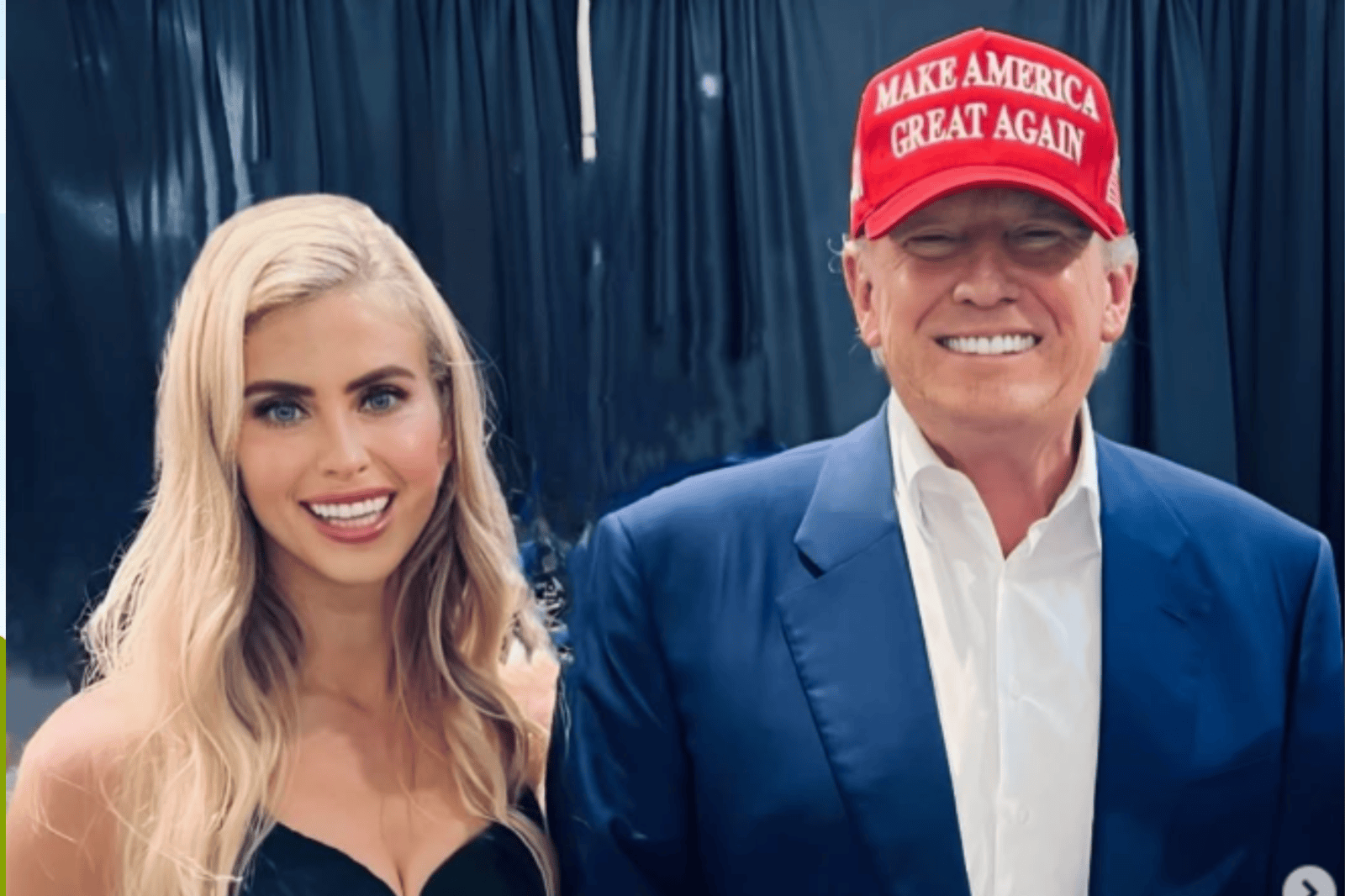
Katie Zacharia begins her new role as President Donald Trump’s White House press secretary as midterm elections approach. Her appointment comes at a crucial time for the president and the Republican party. Challenges await as she steps into this visible role.
Republicans are facing tough campaigns, while the administration’s foreign policy decisions are under intense scrutiny. Relations between the White House and the press have been strained by disputes over media access.
Trump chose Zacharia to replace Karoline Leavitt, who departed in August for a position at Fox News. Zacharia will host her first news conference on Tuesday at 9:30 a.m. Eastern Time.
Her experience includes serving as a senior communications adviser at Trump Media & Technology Group and working on Trump’s campaigns. Trump has praised her as a “loyal and brilliant supporter” and a “devoted fan and member of MAGA.” The White House referenced Trump’s previous posts on Truth Social in response to inquiries about her appointment.
Challenges Facing Zacharia
Zacharia faces several immediate challenges in her new role. Below are key issues she needs to tackle.
Defending The Administration’s Record
Zacharia will need to defend Trump’s record as midterm elections approach. Polls reveal voter dissatisfaction with Trump’s economic performance and the rising cost of living.
Republicans worry about losing control of Congress. Polls show Democrats are gaining ground and Trump’s approval rating remains low.
Trump claims accomplishments overshadowed by negative press, “Our country has never done better. We cannot get the word across because of the fake news,” he said at a rally.
Her responses at news briefings will likely become campaign talking points for both parties.
In a post, Zacharia acknowledged, “The work ahead is to continue delivering strong results and communicating major wins that this Administration is making.”
Explaining Trump’s Foreign Policy
Foreign policy is another immediate challenge. Trump’s shifting stance on Iran raises concerns.
In October, Trump announced no military action against Iran until after midterms and noted productive discussions. Contradictory statements have been made, fluctuating between threats and potential agreements.
Trump’s statements on Russia-Ukraine conflict sparked pushback. He claimed a ceasefire that was unknown to Kyiv and rejected by the Kremlin.
Zacharia must explain these foreign policy positions amid Trump’s unpredictable public statements.
Press-Access Battles
The relationship with the press is particularly strained. A legal battle ensued after Trump barred CNN, MS NOW, and Politico from the White House in September. A judge temporarily restored access, but the legal fight continues.
Zacharia must set the tone for press relations, determining briefing frequency, outlet access, and journalist questioning.
She has appeared on Trump-aligned outlets like Fox News and Newsmax, but lacks extensive high-level government communications experience. Her brief tenure as a Department of Homeland Security spokesperson in 2026 is notable.
She needs to demonstrate knowledge on domestic and foreign policy issues, establishing herself as the administration’s authoritative voice.
Balancing Loyalty with Office Demands
Trump highlighted Zacharia’s “loyalty” when announcing her appointment. Her loyalty is emphasized in high-level appointments.
As press secretary, she must address factual inquiries on behalf of the administration, maintaining credibility when answering questions challenging the president’s statements.
After her appointment, scrutiny arose over her social media history. The Bulwark reported deleted posts, including controversial statements.
She must balance past posts while establishing herself as a credible spokesperson.
For comment on this story, contact Newsweek editors John Fitzpatrick and Geoffrey Rowland.