
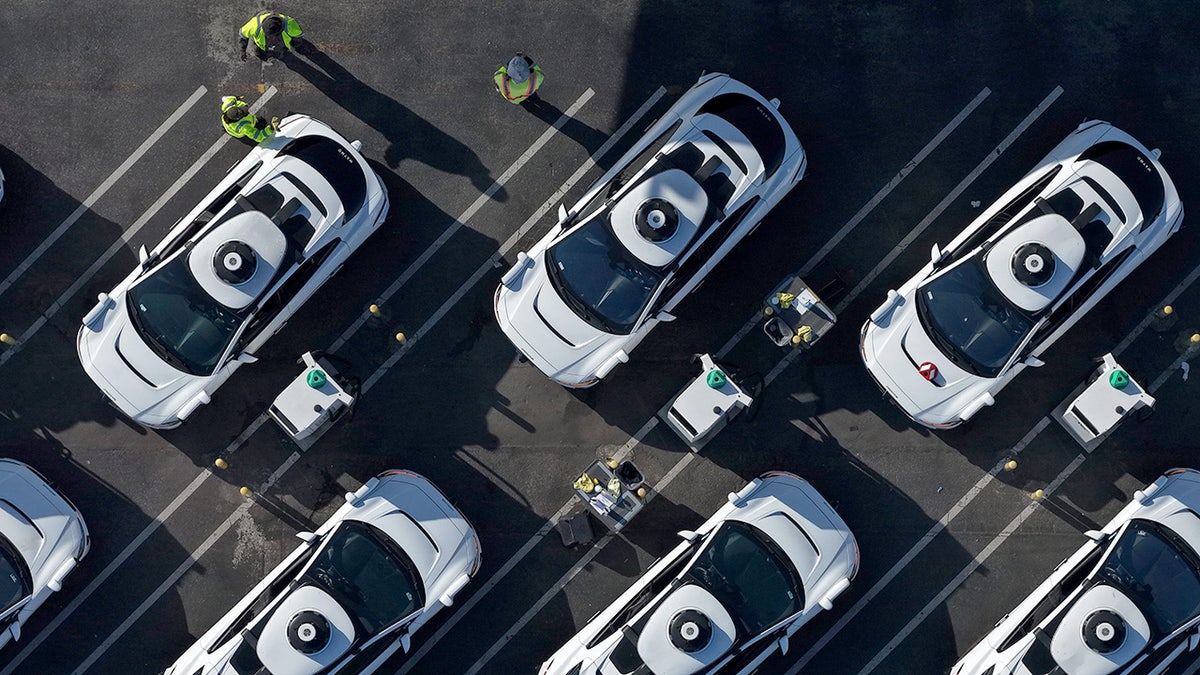
A new proposal aiming to introduce driverless rideshare vehicles into Washington, D.C., is sparking significant concern among labor unions, drivers, and religious figures. They fear the technology’s impact on job availability. Protestors gathered in front of the John Wilson Building as D.C. council members discussed legislation that could allow companies like Waymo to offer commercial autonomous rides in the area.
The protestors urged the council to reject the measure, emphasizing the potential job losses from such advancements. “These robotaxis will put people out of work,” a protester stated. “People need jobs.”
“I’m against robotaxis because it takes away from the community, it takes away from their jobs,” stated Frederick from Virginia.
Participants expressed strong sentiments against job displacement. They shared concerns over the economic impact on those relying on driving jobs for their livelihood. Sabrina from Washington, D.C., voiced her opposition, saying, “Let’s not bring robots taking my neighbor’s jobs. My folks that drive for a living, let’s just not take their jobs.”
Michael, another protester, acknowledged the potential loss of driving jobs. He suggested creating alternative employment opportunities by reducing workweeks without pay cuts and expanding positions in public services like transportation and healthcare.
The Autonomous Vehicle Deployment Authorization Amendment Act of 2026, introduced by Councilmember Charles Allen, proposes a program managed by the District Department of Transportation for commercial autonomous vehicles. Waymo reports that its safety data, covering over 270 million miles, shows markedly fewer crashes compared to human drivers.
Supporters argue that driverless vehicles could lead to lower fares by removing the human driver component. However, current comparisons indicate variable pricing, not consistently cheaper than services like Uber and Lyft. Protesters fear initial low prices might increase over time.
“It might be cheap for the trial periods, and then all of a sudden we’ll be paying $50,” Sabrina warned.
The proposed framework would initially restrict operators to 200 vehicles. Companies must demonstrate extensive testing and submit plans to address service disparities across the city’s wards before commercial operation by 2028. A public hearing occurred in July, but a vote on the bill is yet to be scheduled. It requires council approval prior to the introduction of self-driving cars in D.C.
“A worker should be at the table,” said Samuel Epps, President of the Metropolitan Washington Council, AFL-CIO. “We shouldn’t rush this.”
Eddie, another critic, expressed safety concerns for his family, preferring a human driver for his children’s transport.