
The U.S. Energy Information Administration (EIA) has released its Winter Fuels Outlook, predicting varying heating costs for households across the nation. Households using different heating fuels will face differing expenses, influenced by energy prices and expected weather conditions.
Natural Gas and Propane Users Save
Those using natural gas and propane are likely to benefit from lower costs. The EIA estimates a 9% decrease in expenses for natural gas users, while propane users might see around a 3% drop.
Electricity and Heating Oil Costs Rise
In contrast, households relying on electricity or heating oil won’t experience the same relief. Electricity costs are expected to rise by about 4%. Those using heating oil, accounting for around 3% of U.S. households, may see a significant 21% increase.
Regional Variations
Regional weather conditions will impact these expenses. The South, Midwest, and Northeast could experience similar or warmer temperatures, while the West might face colder weather. This could lead to higher bills there, with natural gas and electricity costs rising by 7% and 9%, respectively.
Region-wise projections include: Natural gas expenses are set to decrease by 15% in the South, 10% in the Midwest, and 14% in the Northeast. Electricity costs could rise slightly in the South and Midwest, but drop in the Northeast.
Impact of the Strong El Niño
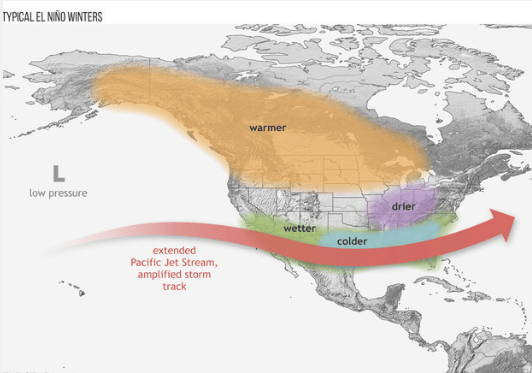
This winter is expected to see a historic El Niño, with its effects felt strongly in North America. It’s expected to bring warmer, dry weather to the north, while the southern regions will likely face a wetter winter.
Similar atmospheric conditions to those of 1997, such as significant flooding and varied weather patterns, are anticipated. In 1997, heating costs were 10% lower nationwide. Such savings could be again welcomed in 2026.
The National Energy Assistance Directors Association forecasts U.S. households spending over $1,000 on average for heating this winter.