
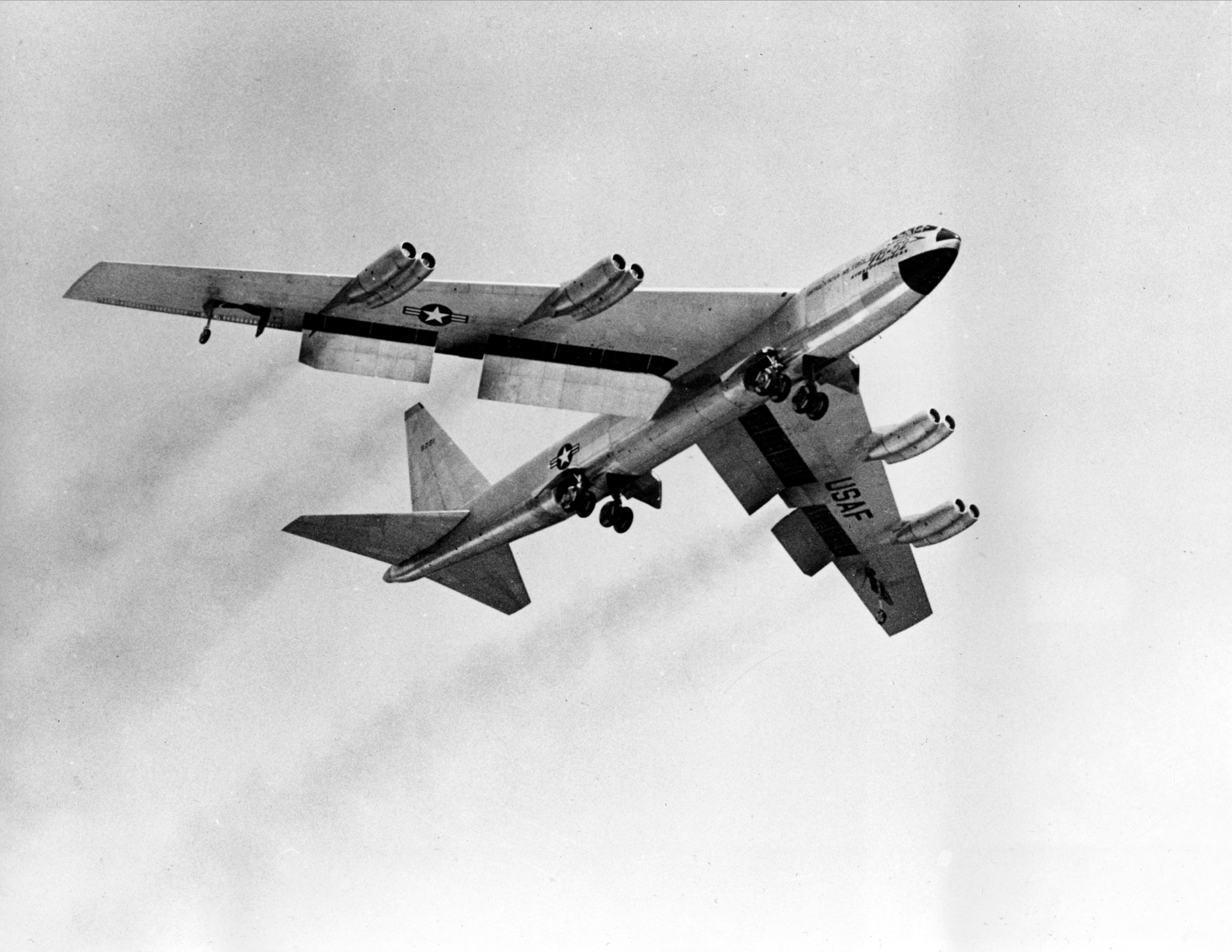
The B-52 Stratofortress, a mainstay of the U.S. Air Force, completed a test flight over Boeing Field in Seattle, Washington, on May 12, 1952. This eight-engine jet has a wingspan of 185 feet, a length of 152 feet, and stands 48 feet tall. Despite being an older model, it has proven crucial to national defense and plans are in place to keep it operational until the 2050s.
Preserving older military assets like the B-52 is not only a matter of tradition but also an economic strategy. Maintaining these aircraft can save taxpayers vast sums, reaching into billions, while ensuring readiness as new technologies are developed and implemented.
Another vital component of the U.S. defense strategy is the Ohio Class nuclear-powered ballistic missile submarines. These submarines form an essential part of the nuclear-deterrent triad, which includes Air Force strategic bombers and intercontinental ballistic missiles. Despite their age, these submarines continue to play a crucial role in the U.S. defense system.
Effective defense relies on sustaining existing technologies as much as developing new ones. Concerns about the U.S. falling behind, especially compared to China, were echoed in a National Defense University Press article. It expressed worry over the logistical sustainability of three U.S. military branches: the Marines, Army, and Air Force. The piece emphasized the critical role of logistics in determining military success.
The unnoticed aspects of logistics often hold significant importance. An example shared by an Air Force general highlighted the need to replace rivets in military and commercial aircraft. Through new robotic technology, replacement can occur 20 times more efficiently, providing a significant tactical advantage.
Ensuring the continued functionality of legacy systems, like aircraft rivets and submarines, is essential to counter China’s advances. The National Defense University emphasized the U.S. military’s substantial logistical challenge in potential conflicts, underscoring the need to revamp logistics strategies.
Decision-makers must prioritize logistical readiness. As they travel on possibly aging aircraft, they should consider the importance of maintaining every component to keep the U.S. military prepared and competitive.
Douglas MacKinnon, a former White House and Pentagon official