
The Trump administration has shifted its approach in Latin America by treating the region primarily as a security concern. This change has resulted in significant diplomatic realignments. Venezuelan leader Nicolás Maduro is currently in U.S. custody, and Colombia has elected Abelardo de la Espriella, who opposes negotiations with armed groups. Several countries, including Argentina, Chile, Ecuador, and Paraguay, have joined Washington in its enforcement policies.
The Shield of the Americas coalition now actively coordinates intelligence and operations against cartel networks. However, Mexico, Brazil, Cuba, and Nicaragua remain exceptions to this coalition.
This represents the Donroe Doctrine in practice, emphasizing American predominance in issues related to migration, Chinese influence, and the drug trade.
This strategy marks a significant shift for major cartels like the Sinaloa cartel, CJNG (Jalisco New Generation Cartel), and Colombian and Venezuelan networks. For instance, Spanish authorities recently dismantled a CJNG-linked operation transporting methamphetamine in vanilla aroma. Similar operations affecting the Sinaloa cartel were conducted in Europe.
Colombia’s new administration has ceased previous accommodations with armed entities, while Venezuelan airspace and ports are under U.S. pressure. The U.S. has successfully reduced drug traffic in the Eastern Caribbean. Meanwhile, cartels are adjusting their strategies.
In Mexico, President Claudia Sheinbaum’s Morena government is becoming isolated by maintaining bilateral relations with Washington while avoiding regional coalitions out of concern for U.S. activities on Mexican soil.
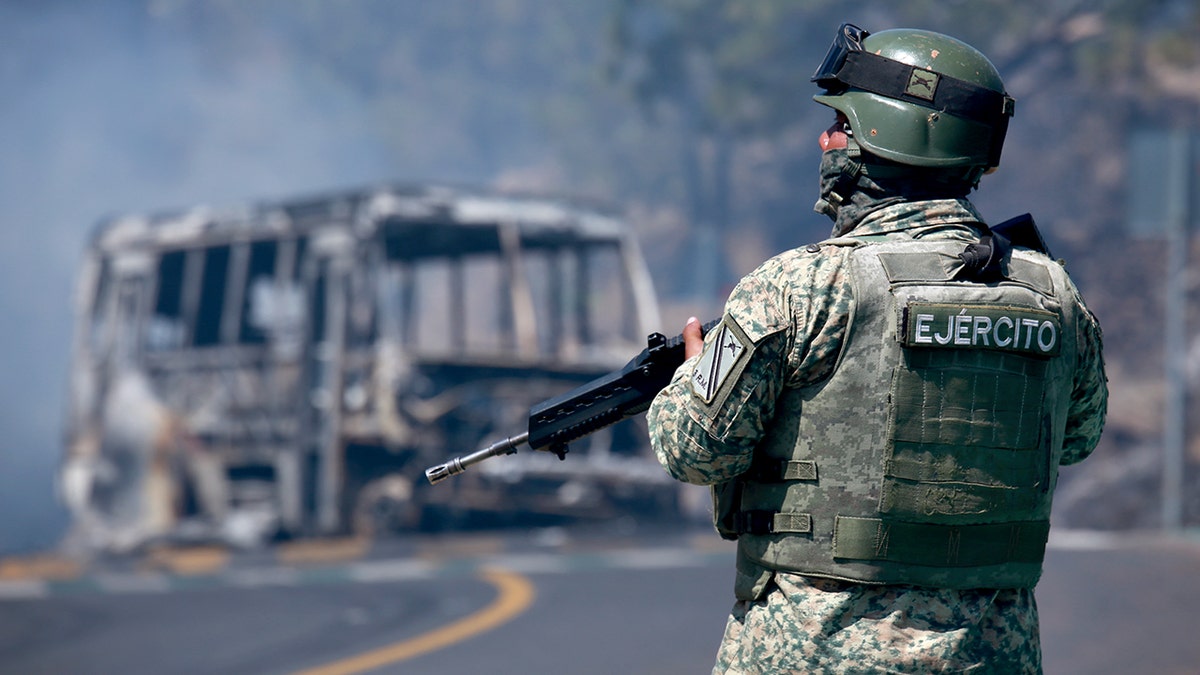
Cartels are adapting by enhancing operational tactics. Mexican authorities have arrested several former Colombian soldiers involved in ambushes on Mexican troops. These individuals are employed for skills in explosives, drone operations, and ambush techniques. Cartel drone operations are more advanced than reported, with frequent use for explosives drops.
Some Mexican and Colombian nationals have entered Ukraine’s International Legion, honing skills in drone warfare. A prosecutor’s office in Tijuana was recently attacked with drones, highlighting the extent of cartel adaptations.
Three major shifts are expected among cartel operations:
- Increasing investments in “legitimate” businesses, such as agriculture, fuel theft, and chemical imports, to diversify income streams.
- Enhanced territorial violence due to leadership disruptions and competition over routes.
- Higher bribery and extortion investments aimed at officials on both sides of the border.
Cartels are under pressure as businesses. They may trade territory for improved operational capabilities such as labs, drones, and political influence. The ongoing test is whether the Shield of the Americas coalition can increase these costs faster than cartels can adapt.
The situation does not rely on Cuba’s collapse or evidence of Petro-era Colombian forces directly aiding cartels. Latin America’s political shifts, U.S. maritime efforts, European drug seizures, and Mexico’s diplomatic position are sufficient indicators of the regional transformations.
Cartels are evolving as businesses facing intense scrutiny and opposition, potentially leading to changed dynamics in the region.