
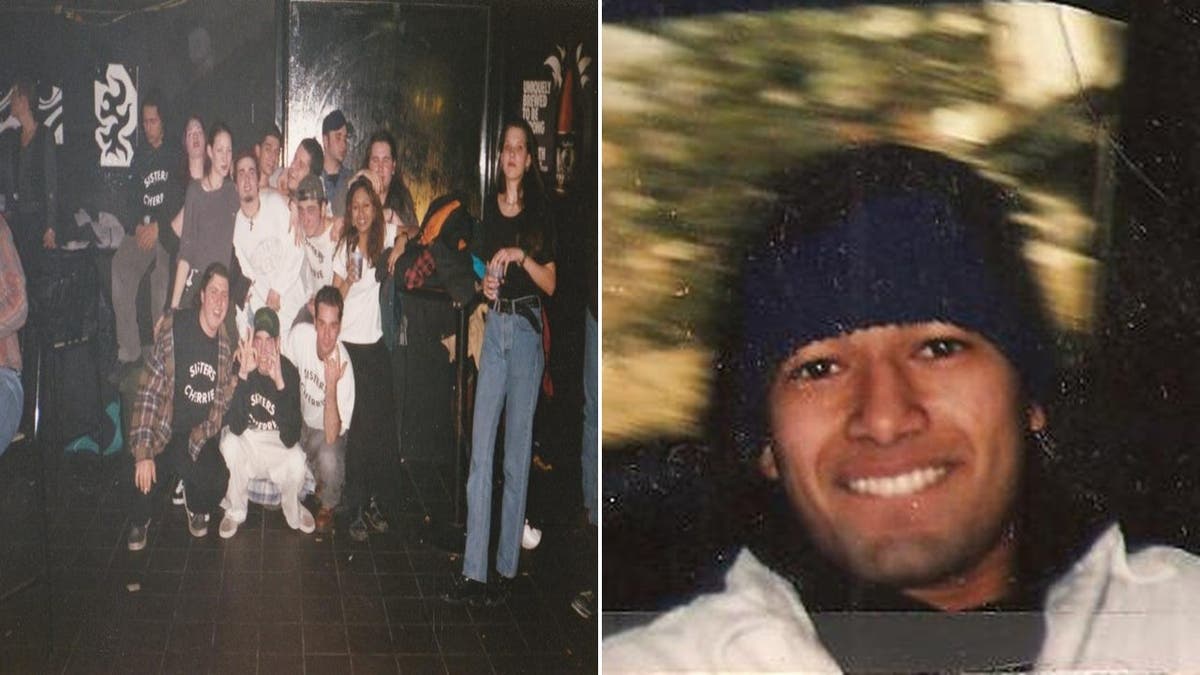
Mubin Shaikh, once drawn to extremist ideology by the Taliban, now serves as a counter-terrorism expert for the United States and Canada. He describes the radicalization process that once captivated him and the indicators that signal a path toward violence.
“The biggest indicator of radicalization is what we call pathway to violence behaviors,” Shaikh explained. “This includes actions like reconnaissance on a target or researching locations such as local synagogues and mosques.”
He emphasizes the importance of parents, educators, and community members recognizing these signs to potentially prevent future attacks.
The path to radicalization for Shaikh began unexpectedly after a house party. His uncle’s disapproval made Shaikh feel guilty, marking the start of his journey toward radical beliefs. To seek redemption, he decided to become more devout in his religious practices. This decision took him to countries like India, Syria, and Pakistan, where he encountered the Taliban in Quetta, a known stronghold.
During this period, Shaikh, seeking identity and purpose, was influenced by the Taliban’s promises that success in life required militant action. However, his viewpoint shifted after marriage.
Becoming a husband prompted Shaikh to reconsider his violent beliefs. Marriage introduced more tangible concerns such as family life, challenging the extremist ideologies he had adopted. His focus shifted from abstract extremist ideas to the reality of building a future with his wife.
The terrorist attacks on September 11, 2001, had a profound impact on Shaikh. The events led him to Syria, where he spent two years immersed in Arabic and Islamic studies. This time was pivotal in his de-radicalization process.
Upon return to Canada, Shaikh learned of Momin Khawaja’s arrest under anti-terror legislation. Khawaja, once a classmate, had been charged with terrorism-related offenses. This incident led Shaikh to connect with the Canadian Security Intelligence Service. Initially believing in Khawaja’s innocence, he later became an undercover operative in counterterrorism.
Shaikh’s expertise grew as he monitored rising extremism online. By 2012, as ISIS gained traction, the U.S. government sought Shaikh’s insights. From 2012 to 2020, he actively supported efforts against ISIS.
Today, Shaikh is an exit peer specialist with Parents for Peace, a nonprofit organization focused on preventing and intervening in radicalization and extremism, particularly among youth.
“What gives me hope in countering extremism is witnessing people’s transformation after abandoning extremist ideologies,” Shaikh shared. “Their personal situations improve significantly.”
He finds fulfillment in seeing families reunite with children who have left extremist paths, highlighting the positive changes in their lives.