
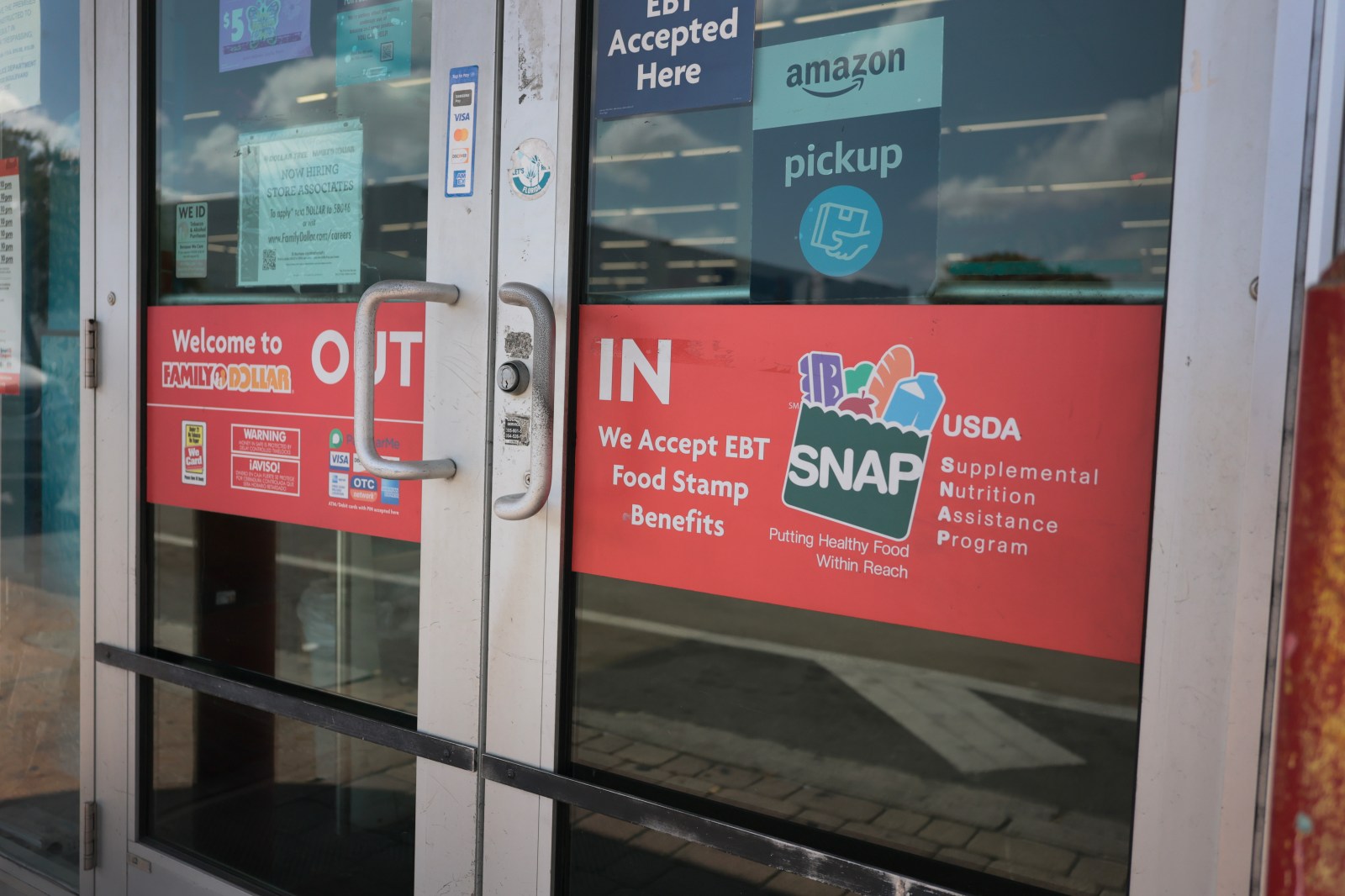
Millions of Americans are facing reduced access to federal food assistance due to recent changes to the Supplemental Nutrition Assistance Program (SNAP). These changes are influencing the already struggling job market. The Center on Budget and Policy Priorities reports a drop in SNAP participation by over 5 million people, around 13 percent, since the eligibility and work requirements tightened in July last year.
These new requirements create barriers for individuals already having difficulty finding stable jobs and affording basic needs. Experts also predict potential negative effects on businesses. Bryan Driscoll, an HR consultant, remarked, “You can’t starve people into economic prosperity. Finding work requires transportation, childcare, internet access, and stability to attend interviews. Taking away food assistance doesn’t generate jobs.”
Why SNAP Is Important
SNAP is widely regarded as an anti-hunger initiative, but it also acts as a work support program. For unemployed individuals, SNAP helps cover food costs while they look for work. For those with low incomes, it complements wages that don’t match current housing prices. Businesses in sectors facing labor shortages might encounter workforce issues if employees struggle with transportation and childcare due to lost benefits.
Essential Information
The One Big Beautiful Bill Act (OBBBA), signed by President Trump, expanded SNAP work requirements and shifted administrative costs to states. An estimated 5 million Americans, including over 1 million children, have lost benefits since the act. Although these requirements aim to push more people into the workforce, some doubt the loss will lead to improved employment.
“The reduction in food stamps is happening at a time when inflation is outrageous,” stated Lee Bowes, CEO of America Works. He noted that the requirement for states to increase their contribution to 75 percent has caused problems, as many states did not plan for the budget increase.
The Center on Budget and Policy Priorities notes stable unemployment rates since the enactment of OBBBA, indicating that the drop in SNAP numbers isn’t linked to an improved job market. The private sector might face challenges since they are major players in the food assistance landscape.
Challenges for Job Seekers
Job seekers often face costs such as transportation, internet access, and professional clothing before earning a paycheck. Adding childcare expenses to this list, the removal of SNAP benefits makes it harder for unemployed individuals to manage financially. Without assistance, covering food costs takes up more of their limited budgets, hindering job searches or training.
Driscoll emphasized that SNAP cuts affect businesses as well. SNAP dollars contribute to grocery stores, local shops, and the broader economy. Cutting these funds reduces consumer demand, threatening jobs and giving employers excuses to scale back hiring.
The Childcare Dilemma
Losing food assistance pushes parents to a tighter financial position, potentially making childcare unaffordable. This situation creates a cycle where parents can’t accept jobs due to lack of childcare and fail to meet work requirements to maintain benefits.
“For job seekers, losing food assistance complicates finding work. Expenses like transportation and childcare make a difference,” stated Michael Ryan, a finance expert.
The possibility of reduced spending is a concern for businesses, especially in lower-income areas, as well as the chance employees might struggle to maintain reliable schedules.
Business Impacts
The loss of SNAP benefits impacts businesses reliant on a stable workforce. Financial stress from the loss of assistance can lead to higher employee turnover and unpredictable attendance. It may also prompt demands for increased wages since fewer are willing to accept lower-paying roles.
Kevin Thompson, CEO of 9i Capital Group, noted businesses might see a larger labor supply in roles with high turnover and low retention. Retail, hospitality, and food service sectors are particularly affected.
While work requirements aim to motivate more to seek employment, bringing benefits like a broader labor pool, Driscoll warns that reducing food assistance while expecting business sustainability is unsound. Additional SNAP changes lie ahead that may increase states’ cost obligations.