
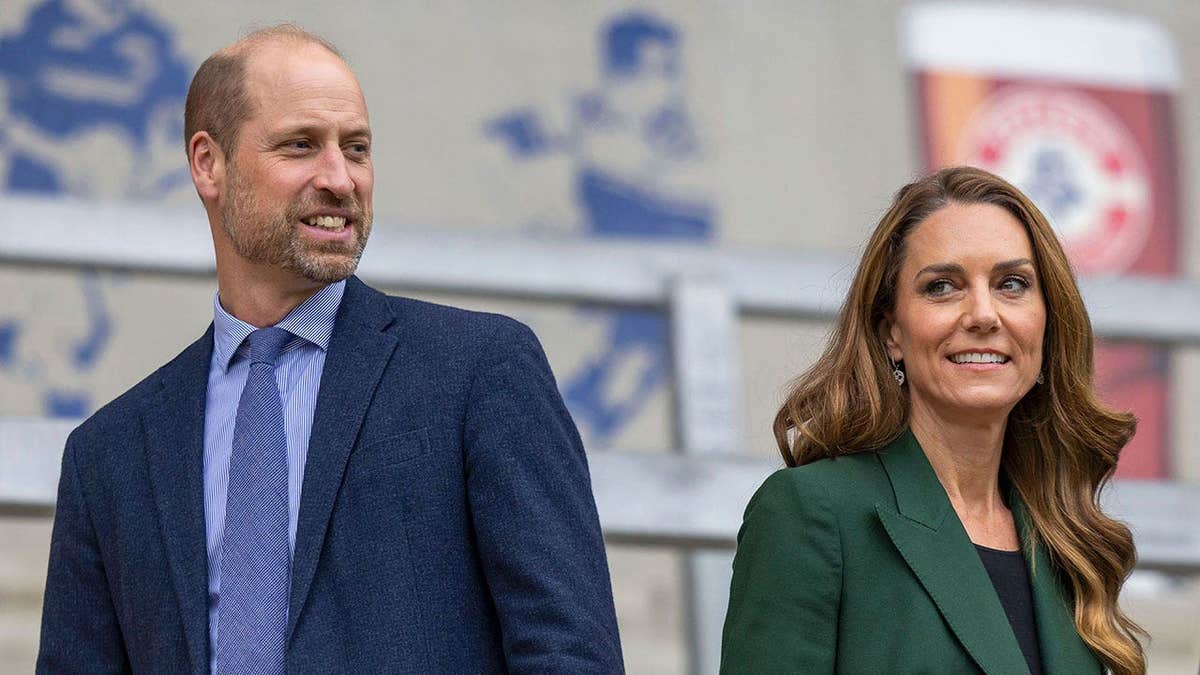
Behind the closed doors of the royal family, the use of WhatsApp nicknames is common, according to a former royal staffer. Jack Stooks, who served King Charles as a gardener for 21 years at Highgrove, provided details on the pseudonymous communications within the family.
Secret Nicknames
Stooks revealed that while working, he noticed Princes William and Harry always possessing the latest phones. They shared their numbers with staff for logistical purposes, allowing two-way communication through WhatsApp. However, to protect their identities, the royals adopted nicknames. William was known as ‘Bobcat’, Harry as ‘Baz’, and Catherine joined as ‘Mrs. Bobcat’.
The use of nicknames helped maintain confidentiality if a phone was compromised. Personnel given their numbers were few, and even those numbers changed regularly.
The Royal Family’s Discreet Communication
Stooks noted the royal family as active WhatsApp users. They maintained group chats with friends and family, including royal cousins like Zara Tindall and Peter Phillips. Despite privilege, Stooks described William as polite, enquiring about Stooks’ workload before requesting his help, often responding with ‘You’re a legend’ in gratitude.
Other Royal Aliases
With privacy in mind, the royals used alternative identities. Ian Pelham Turner, a royal broadcaster, shared that during security concerns, William and Kate went by ‘Danny Collins’ and ‘Daphne Clark’—a play on their Cambridge titles. The late Queen Elizabeth II had the alias ‘Sharon’, derived from sovereign, while Prince Philip referred to her with affection as ‘Cabbage’ from the French term ‘mon petit chou’.
Moreover, during university, William adopted ‘Steve’ as a disguise for privacy. Notable among these monikers is ‘Lilibet’, a name given to then-Princess Elizabeth by her grandfather King George V, ultimately chosen by Prince Harry and Meghan Markle for their daughter.
Terms of Affection
Despite some nicknames serving for anonymity, many expressed warmth and inside jokes. For instance, King Charles affectionately called Queen Camilla ‘Mehbooba’, an Urdu term of endearment. Princess Diana also bore the family-given title of ‘Dutch’, short for ‘Duchess’, owing to her graceful demeanor.
These names offer insight into the personal dynamics of the royal family, merging tradition with modern technology. The evolving nature of communication reflects the blend of private and public life they navigate.