
Editor’s Warning: This story includes graphic details.
CBS News obtained images from social media that show Chi Phi fraternity members sharing a photograph of the alleged victim in the Cornell University gang rape case on Snapchat. This event occurred on the night of the supposed assault.
The image, obtained through the attorney for Jane Doe, shows her smiling alongside another man. This photograph was distributed in a Snapchat group with numerous Chi Phi fraternity members. This happened on the night of the alleged attack on Jane Doe at the fraternity house in October 2024.
Before sharing the image, a member wrote about being able to “walk in and whip it out.” Following the picture, a question in the chat asked, “Shop still open?” with the reply, “Yeah.”
Jane Doe, who was 20 years old at the time, sued seven Cornell students and the university. Cornell President Michael I. Kotlikoff shared on September 29 that two of the accused were expelled, two suspended for at least two semesters, one had graduated, and two found not responsible for sexual misconduct. No arrests were made.
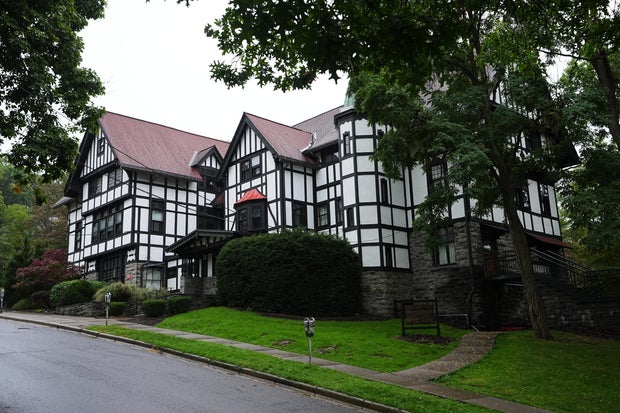
Two defendants have denied involvement through legal representation. Others have not issued statements. The fraternity house was closed in 2024.
The Tompkins County district attorney initially chose not to press charges; however, following a lawsuit, they reopened the case. New York Governor Kathy Hochul later appointed Attorney General Letitia James as a special prosecutor amid handling criticisms.
CBS News accessed the findings from Cornell’s Title IX investigation into the incident. During a university hearing in May 2025, Jane Doe, then a sophomore, described feeling like “bait,” surrounded by “lions.” She explained the environment was debilitating.
The report states that she used the drug ketamine, describing the sensation as “lights are on, but nobody’s home,” suggesting impaired brain function. CBS News New York reviewed numerous pages of interviews with the alleged victim, 20 witnesses, and six out of the seven defendants. The testimonies offer conflicting accounts.
According to some men involved, Jane Doe did not appear intoxicated and apparently gave consent. Contrasting accounts from Jane Doe describe the night as a horror, feeling cornered by multiple men, and at one moment, claiming she “was a sex doll for all intents and purposes.” Later, she alleged being taken into a closet by two men, calling it the night’s worst experience. She reported being in and out of consciousness.
“It was just raping,” she said.
The Title IX investigation noted an account from a student present during the event. This individual received a call from one accused man requesting her to ensure a friend didn’t mention incidents that possibly happened that night.
Following the alleged assault, Jane Doe claimed three men apologized to her. Interview transcripts revealed she collected evidence, including the dress worn that night. Two days later, she visited a campus clinic for a urinary tract infection, which she connected to the incident in her lawsuit. Her lawyer claimed she informed the medical staff of the traumatic nature of the infection, but instead of receiving a rape kit referral, she was advised to “speak with somebody.”
At a town hall, Cornell students sought institutional changes. Jane Wang from the Cornell American Civil Liberties Union stated the urgency for survivor support and institutional action.