
Ukraine’s Defense Ambitions
Ukraine President Volodymyr Zelensky has announced plans to locally manufacture U.S.-designed Patriot air defense systems. Although the White House has not confirmed any agreement, the move is seen as crucial amid intensifying threats from Russia. Despite Zelensky’s optimism, analysts caution that Ukraine might be jeopardized before these systems become operational.
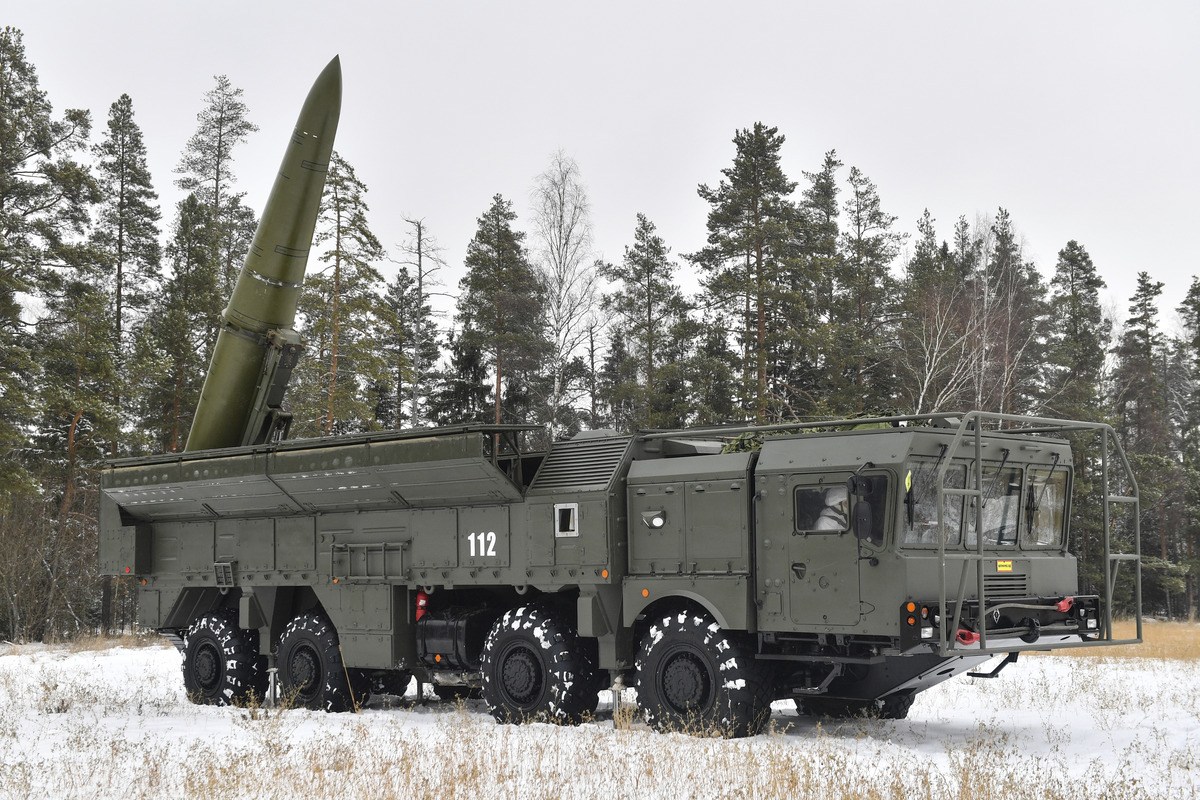
Vladimir Putin’s defense industry continues producing ballistic missiles and advanced jet-powered drones at a rapid pace. Ukraine’s air defenses face significant challenges in intercepting these sophisticated threats. This year, Moscow has launched 587 ballistic missiles in just seven months, surpassing the total for 2025. Recently, drone attacks have increased, with half being jet-powered models.
Zelensky disclosed a concerning 55% success rate for intercepting these drones. Data suggest nearly 70 drones evaded Ukraine’s defenses over a two-night period. To confront such challenges, Ukraine’s military has prioritized destroying launch sites before missiles and drones take off.
Patriot Systems Meeting Outcome
During the United Nations General Assembly in New York on September 22, Zelensky discussed air defense strategies with U.S. leadership. One of the key points was the potential for Ukraine to manufacture Patriot interceptors domestically. Zelensky later expressed confidence that former President Trump supported granting the necessary licenses for production.
Securing formal agreements remains a pressing challenge for Kyiv. Zelensky emphasized Ukraine’s capability to intercept cruise missiles and drones, yet stressed Patriot systems as the only effective measure against ballistic missiles currently. Patriots are complex and costly, requiring comprehensive infrastructure and support for deployment. The estimated cost of U.S. contracts for relevant equipment stands at $4.5 billion.
Realistically, even if production licenses were secured immediately, establishing manufacturing capabilities could take up to 18 months. Ukraine’s involvement in the pan-European FREYJA program for anti-ballistic missile systems will deliver prototypes soon, but remains an ongoing development.
Rising Russian Threat
Russia’s military capabilities exacerbate Ukraine’s urgency for new defense systems. Russia continues escalating its drone attacks. From June through September, the number of deployed jet-powered drones surged from hundreds to thousands each month. These developments are alarming for Ukraine.
Recent drone models like the Geran-4 and Geran-5 boast remarkable speed and payload capabilities, proving more accurate and elusive for defenses. Ukraine cannot afford interception rates below 50% against these repeated aerial threats.
Strategic Offensive Measures
Ukraine is addressing threats by enhancing its research and development of cost-effective interceptors. Zelensky announced successful testing of four interceptor prototypes now entering production. Companies are focused on crafting solutions against advanced threats.
Beyond interception, military operations target destruction at source. Recent strikes have focused on disabling Russian launch sites and production facilities. These targeted offensives are critical for Ukraine’s defense strategy. In September, successful strikes have disrupted S-400 launchers, production sites, and drone launch facilities.
Ukraine’s intensified campaign reflects the importance of redirecting focus from defense in the skies to proactive ground action. By extending their operational perimeter, Ukrainian forces strive to limit Russian missile and drone operations before deployment.
Defensive Coordination and the Way Forward
Efforts remain focused on delivering interceptor solutions while actively dismantling capabilities responsible for missile and drone production. Ukraine’s military and engineers work seamlessly to bolster defenses and avert threats. These protective strategies are vital amidst an ever-evolving conflict scenario.