
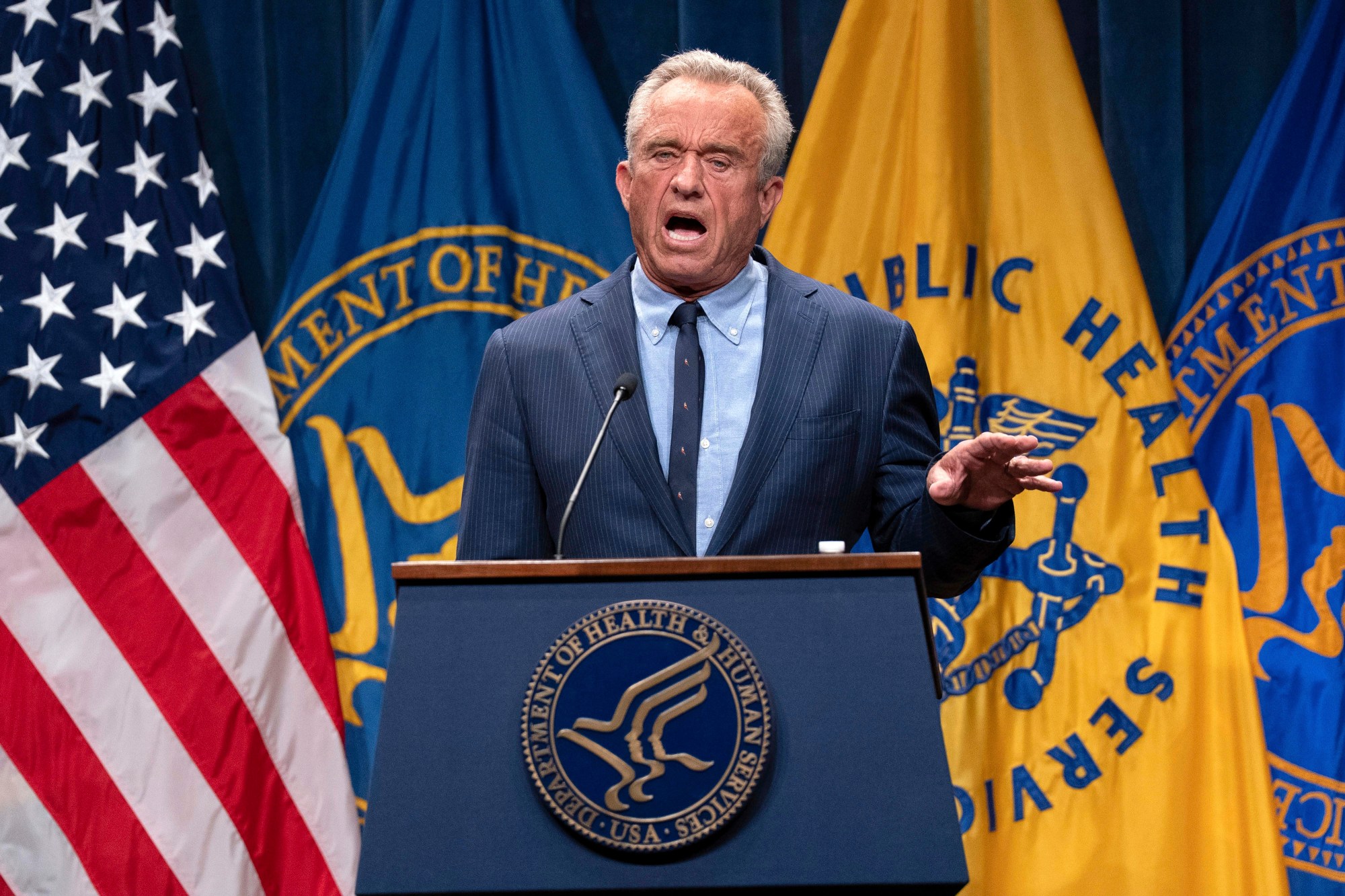
Health and Human Services Secretary Robert F. Kennedy Jr. has expressed strong opposition to the National Vaccine Injury Compensation Program, aiming to dismantle it. Established by Congress in 1986 during President Ronald Reagan’s administration, this program addresses two significant concerns: ensuring swift and fair compensation for individuals who suffer rare, severe vaccine reactions, and maintaining the stability of the nation’s vaccine supply.
The program was designed to provide families with relief without requiring them to prove manufacturer negligence, while safeguarding pharmaceutical companies from massive liabilities that could impede vaccine production. Its inception was a response to a surge of lawsuits that threatened the existence of vaccine manufacturers, leading to shortages and price hikes, raising concerns over access to essential immunizations.
The program presumes causation for specific injuries related to each vaccine listed, easing the burden on families from proving negligence or causation, and is based on comprehensive scientific reviews conducted by a committee of experts. However, Kennedy describes the fund as a corporate shield benefiting “Big Pharma” and intends to redirect vaccine injury claims to civil courts, opening them to conventional litigation regarding negligence and causation.
Adding to this controversy, Kennedy seeks to revise the legislation by including autism as among the presumed injuries caused by vaccines. Such a move risks inundating the system with claims, depleting resources, and potentially collapsing the program. His longstanding claims regarding a link between vaccines and autism have been widely discredited by global scientific bodies, yet his position as secretary might allow him to pursue legal recognition of this theory.
Dismantling the program could recreate the crisis of 1989 but on a larger scale, with manufacturers factoring unpredictable litigation risks into vaccine pricing, leading to increased prices and possible production stoppages. This would result in vaccine shortages, preventable disease outbreaks, and a significant threat to herd immunity, endangering newborns, the elderly, and the immunocompromised.
The compensation program has provided over $5.5 billion to more than 12,500 Americans experiencing vaccine injuries since its launch, refuting Kennedy’s claims that the fund neglects public interests. Overturning this system would burden families with complex legal battles, substantial attorney fees, and the challenge of proving manufacturer fault in traditional courts, something the streamlined process of the current program avoids.
Despite its imperfections and administrative delays needing attention, replacing the compensation program with civil litigation is likely to exacerbate challenges faced by vaccine injury victims. Richard Sauber, a lawyer based in Washington, has highlighted the critical role of the program. He previously served as special counsel to former President Biden.