
For over a decade, Melissa Duhaime, a biologist at the University of Michigan, has investigated the spread of plastic waste across the Great Lakes. Her findings have been alarming, exposing a lack of effective solutions to these persistent environmental issues. Despite major corporations backing fossil fuel-based plastic production, Duhaime found hope in an ancient method from Mesopotamia, now today’s Iraq, involving flax. Flax is spun into linen and woven into clothing, providing an alternative to synthetic fabrics.
Flax stems, currently cultivated in America for seeds, are tested as substitutes for carbon fiber. Duhaime noted potential interest from farmers and companies in creating a new sector for flax fiber processing. Collaborating with researchers and environmental activists, Duhaime aims to reduce plastic use by enhancing sustainable alternatives.
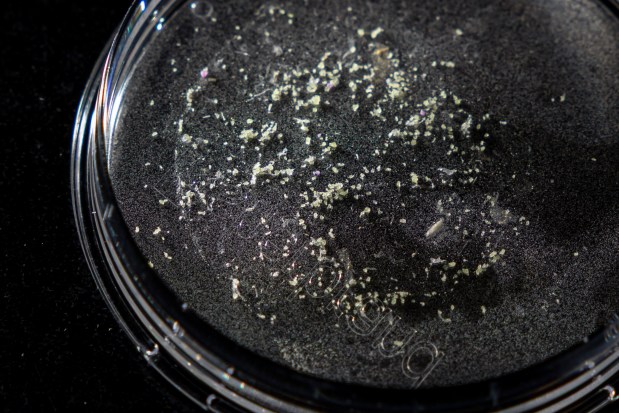
More than 8 billion tons of plastic waste exist globally, with over 22 million pounds entering the Great Lakes annually. The Chicago Tribune’s series “Great Waste in the Great Lakes” explores the threats of plastic pollution on 40 million people relying on freshwater. Microplastics, small decomposing plastic bits, are linked to diseases when present in people or due to chemical leaching.
Beyond research papers, Duhaime acts by moving to Ann Arbor with her family to cultivate flax. She partnered with Rebecca Burgess, promoting sustainable textile production, reminiscent of initiatives by Chicago chef Rick Bayless. Historically, flax weaving was prevalent among colonial Americans and during the Civil War. Flax’s revival is underway as European automakers BMW and Volvo use flax-based panels. Duhaime and her colleagues at Michigan are pitching similar ideas to Detroit automakers. A THREADS Natural Fibers Institute is part of a broader “fibershed” movement advocating regional, natural fiber production and use.
Advocates suggest producing locally strengthens urban-rural ties, renewing economic bonds. Five fibershed groups, including Madison and Toronto, mirror this idea; however, Illinois remains too warm for flax production.
“Humans developed all these technologies using plastics, but we can learn from the past and create alternatives.” – Leslie Schroeder, Wisconsin nonprofit co-founder
Regarding plastic accountability, taxpayers are charged for recycling. Studies emphasize the complexity of recycling due to varied formulations. Seven states, including Minnesota, aim to make companies pay into funds improving waste management through “extended producer responsibility” (EPR). This concept attempts to enforce polluter payment, paralleling the Superfund program. EPR laws are under planning, aiming to deter companies from producing unrecyclable products. Meanwhile, corporates resist these shifts, as evidenced by legislative challenges in California and New York.
Volunteering makes a notable difference, raising awareness about plastic waste. University of Toronto’s Chelsea Rochman’s studies identified how plastics travel into harbors, guiding where waste-trapping equipment should be deployed. Lake Shelby, Michigan, frequently cleared of mylar balloons and bottle caps, showcases plastics’ extensive reach.
Loyola University’s Tim Hoellein helps with funding for trash skimmers in Lake Michigan, sketched as a rigorous but impactful act. Microplastic avoidance proves challenging; yet, proactive efforts, including filters on washing machines, show signs of reducing plastic fiber waste.
Advocating alternatives, Erie volunteer Al Swigonski persuades local restaurants to shun single-use plastics. Springfield’s Brent Schwoerer, owner of Engrained Brewing Co., sources sustainably, buying utensils from nearby suppliers. Regulatory drives and cost reductions better access non-plastic supplies. Duhaime explores launching a flax company alongside Michigan engineers.
This strategy aligns with restoring flax production in Wisconsin, as supported by the Wisconsin Farmers Union, contrasting sprawling global supply chains.