
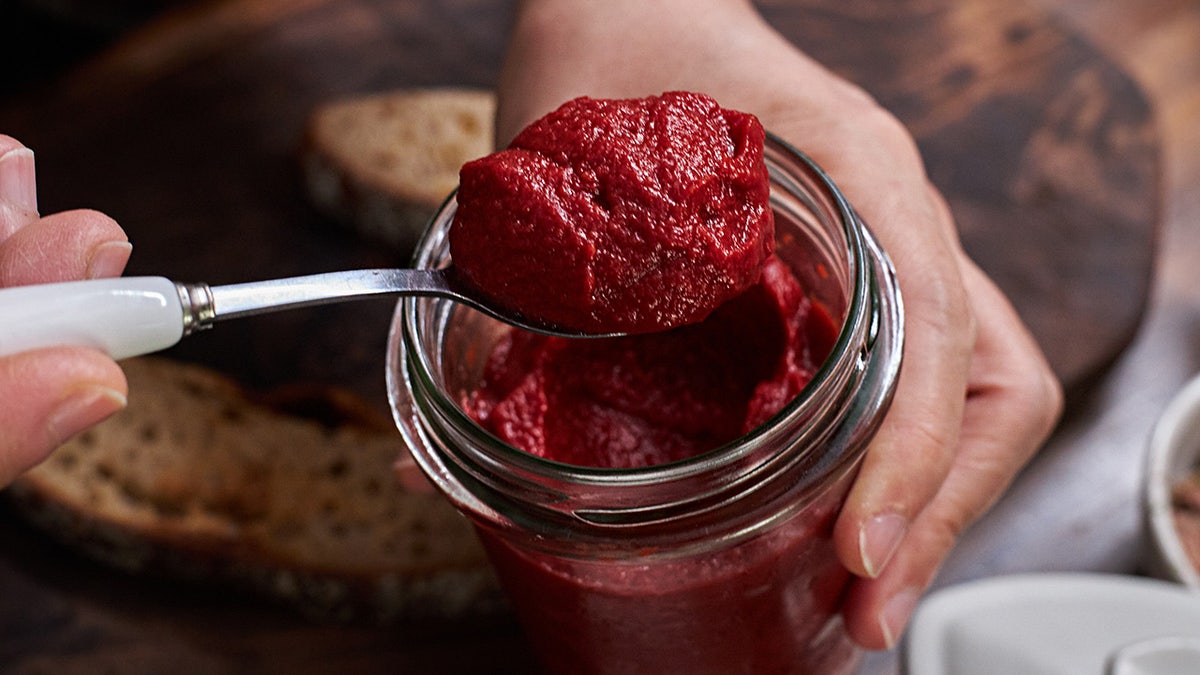
A recent study from Spain discovered a connection between consuming tomato paste and improved attention and processing speed. In this study, participants who consumed about two tablespoons of tomato paste daily for three months showed slightly enhanced cognitive performance compared to a low-lycopene diet, which lacks the red antioxidant pigment found in tomatoes.
Study Details
The study involved 42 healthy adults aged 40 to 55 who followed both diet plans for three months each, with a one-month interval in between. During the low-lycopene phase, participants maintained their regular diets, excluding foods like tomatoes. During the tomato paste phase, they ingested 0.5 grams per kilogram of body weight daily, approximately 35 grams of tomato paste on average.
As a result, the participants scored an average of 7.2 points higher in concentration, 8.3 points higher in processing speed, and 0.8 points higher on memory tests. Notably, blood tests indicated a borderline increase in BDNF, a protein crucial for brain-cell development and flexibility.
Potential for Brain Health
The investigation employed a randomized crossover design, allowing participants to serve as their own controls both before and after the tomato paste consumption phase. Some brain scans revealed changes in resting connectivity, indicating potential improvement in brain communication. However, due to the small sample size, these results are not definitive.
While the study does not confirm tomato paste as a preventative measure against cognitive decline, it suggests a potential link between lycopene-rich foods and brain health. This was published in the journal Antioxidants, with researchers noting the preliminary nature of the results and advocating for larger, more comprehensive studies.
“Larger studies are needed to clarify whether lycopene-rich foods may support cognitive health.”
Dr. John Showalter, an internal medicine physician, emphasized the importance of incorporating naturally red foods into the diet. He pointed out existing research that associates low lycopene levels with higher mortality rates and increased cardiovascular events, highlighting the adverse effects of a low-lycopene diet.
Lycopene is found not only in tomatoes but also in foods like watermelon, papaya, and red peppers. Cooked and concentrated tomato products, such as ketchup and sun-dried tomatoes, provide particularly high amounts of this pigment.