
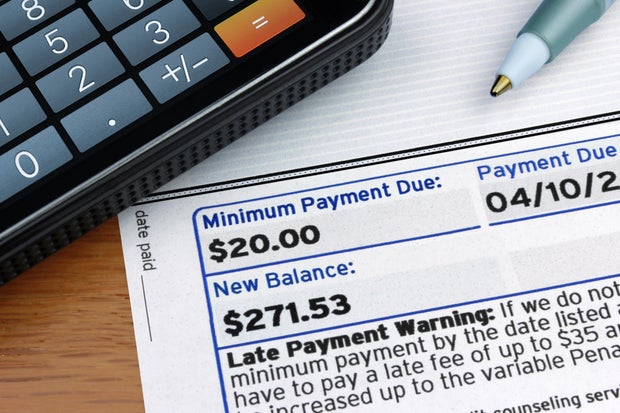
Managing credit card payments can be challenging, especially when dealing with high balances and limited finances. Paying the minimum monthly amount on credit cards can offer temporary financial relief, but what happens if you fall short of even this obligation?
Understanding Partial Payments
Paying less than the minimum on your credit card is classified as a late payment. For instance, paying $190 when the statement requires a $200 minimum does not fulfill your payment requirement. This leads to late fees, continued interest charges, and possible loss of promotional APRs or activation of penalty APRs.
Furthermore, credit consequences may arise. Although payments that are only a few days late aren’t immediately reported, accounts 30 days past due can affect your credit score. Partial payments do not reset this timeframe; hence, unsatisfied minimum requirements can lead to credit score damage, making future borrowing more difficult.
Long-Term Impact of Missed Payments
Continual failures to meet minimum payment requirements can escalate problems further. Additional missed payments, whether partial or full, can lead to credit damage and even account closure. These situations may eventually result in charge-offs or collections.
Solutions for Those Struggling with Minimum Payments
If regular partial payments become necessary, addressing financial issues early is crucial. Contact your card issuer if you’re struggling; many offer hardship programs to reduce interest rates and modify account terms temporarily. This can help maintain your account.
Broader debt relief options should be explored if the problem spans several accounts or persists long-term. Debt consolidation loans can merge multiple balances into a single, potentially lower-rate payment. Debt management plans offered by credit counseling agencies can restructure payments and reduce interest costs.
Debt settlement is another option for severe cases where repayment seems impossible. Negotiating payment settlements with creditors may reduce the amount owed. However, settlement options come with significant financial and credit repercussions and lack guaranteed creditor cooperation.
Taking Swift Action
Act promptly when experiencing payment difficulties to secure more options. Delaying too long can lead to deeper debt and fewer recovery opportunities. Remember, paying below the minimum due won’t count as a fulfilled payment and could result in late fees and damage to your credit profile.
If unable to meet the minimum, swiftly contact your issuer to inquire about hardship measures. If facing broader debt issues, consider relief options to regain control instead of continuing partial payments that won’t resolve delinquency.