
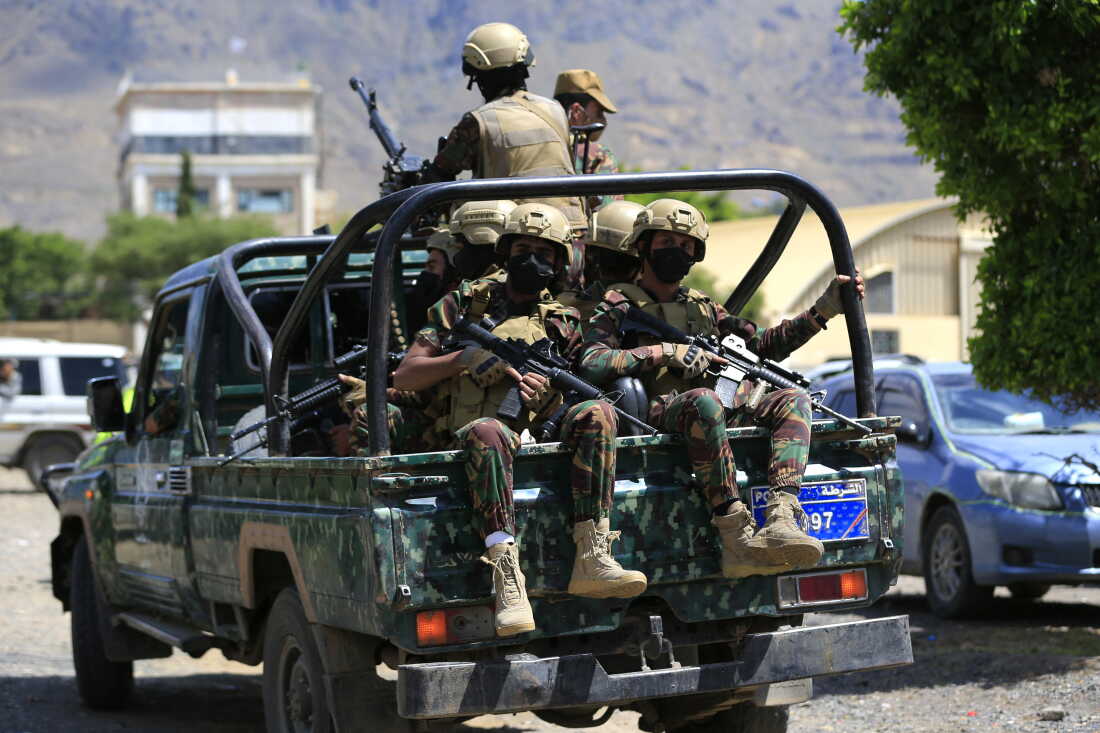
Yemen’s internal conflict continues to escalate, leading to significant displacement and humanitarian challenges. Following the capture of the western Yemeni port city of Mokha by Houthi forces earlier this month, Yemeni government forces backed by Saudi Arabia withdrew, leaving behind military equipment and triggering mass displacement.
The United Nations World Food Programme reports that approximately 125,000 people were displaced within days. As the fighting intensified, healthcare facilities in Mokha mostly shut down, except for Mokha’s General Hospital, which remains operational to provide urgent care. Sarah Ahmed, a health promotion supervisor with Doctors Without Borders, emphasizes the critical need for maternal and child health services, as the hospital focuses on essential care including neonatal intensive care.
Yemen, already one of the world’s poorest nations, faces widespread hunger with around half of the population, about 22 million people, requiring humanitarian aid due to years of conflict.
The renewed conflict has disrupted a previously stable truce, worsening the situation as funding shortages prevail. The World Health Organization reports the inability to transfer patients from Mokha to Aden due to intensified fighting, impacting healthcare access and isolating communities.
“There are pregnant women who need urgent care. There are women who need cesarean sections. There are children who need treatment and patients with medical conditions that simply cannot wait,” says Sarah Ahmed.
The Houthis, backed by Iran, have advanced through western territories, seizing control of key areas including Mokha and Bab el-Mandeb strait in the Red Sea. The strategic capture strengthens their control over vital waterways, affecting regional stability. Casualties and injuries have been reported by the United Nations, attributing some civilian casualties to Saudi airstrikes.
In recent developments, Houthi forces claim to have targeted Saudi air bases and oil sites, with Saudi Arabia acknowledging missile attacks on Riyadh. The Houthis have also released footage showing the downing of a Saudi F-15 fighter jet, though Saudi authorities have not commented on the event.
Iran-backed militias in Iraq have also disrupted Saudi oil transport, reflecting broader regional implications. Satellite images reviewed by NPR show damage to Saudi oil pumping stations, compounding the global oil price surge, with Brent crude surpassing $100 a barrel.
Displacement in Taiz governorate remains considerable, with families continuing to flee conflict zones. Aid organizations are establishing camps to provide essential services, though resources are insufficient to meet growing needs. The Norwegian Refugee Council highlights the urgent need for increased funding to accommodate displaced people in Taiz.
“It’s a very dynamic, moving, massive scale of displacement,” says Alison Bottomley from the Norwegian Refugee Council.
The United Nations has highlighted a significant funding gap, with only 20% of funding needs met this year. As fighting persists, humanitarian needs continue to rise, with aid groups calling for immediate attention and support to address the crisis.
Internally displaced families face uncertain futures, often lacking basic necessities. More than 2,400 individuals have fled Yemen by sea in search of refuge in Djibouti, predominately women and children, further emphasizing the critical nature of assistance.