
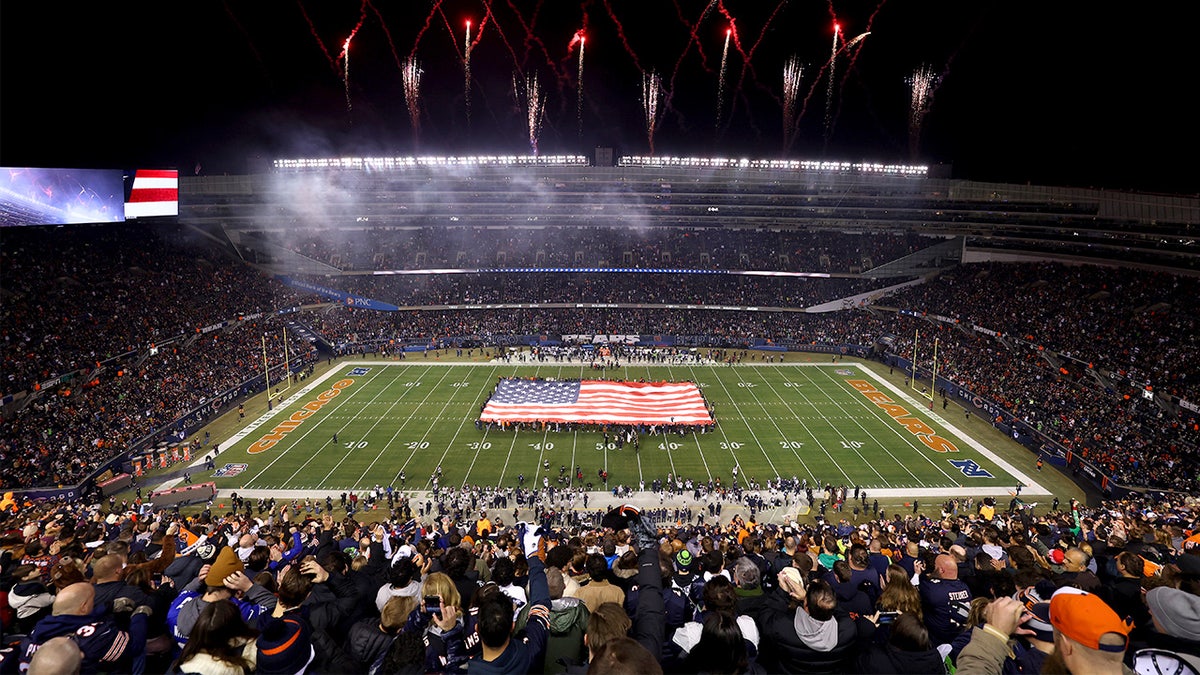
When the Chicago Bears face the Minnesota Vikings for their 2026 home opener, it will signal the beginning of their 55th season at Soldier Field. However, this could be their last. Hammond, Indiana, is hopeful that the Bears will move their home games there.
In June, the Bears confirmed plans for a new stadium across the state line in Hammond. Although discussions about moving to Indiana took place in the late 1990s, they never materialized. This time, the plans seem more concrete.
Hammond Mayor Thomas McDermott Jr. expressed surprise at the potential relocation. The city has been preparing for years, assembling land and providing incentives.
Preparations in Hammond
The Bears evaluated sites in Hammond, including the ‘Lost Marsh’ area, cleaning up and assembling land. McDermott noted that the team was unlikely to consider these locations in the past due to fragmented ownership and outdated thinking.
“For the first two or three terms, in cooperation with the state government, we started assembling dozens and dozens of acres and we got it to where we have about 300 acres available,” McDermott said.
Indiana’s tax policies further draw the Bears’ interest, offering more favorable property tax conditions than Illinois offers.
Indiana holds property tax caps in its constitution, providing financial stability, something Illinois cannot promise. Hammond has seen investments totaling billions recently, with or without the Bears’ involvement, noted Heather Ennis, president and CEO of the Northwest Indiana Forum.
Bipartisan Efforts
McDermott highlighted notable bipartisan cooperation in discussions surrounding the Bears’ potential relocation. Despite differing political affiliations, both Indiana senators, the governor, and local representatives participate actively.
Governor Braun, a Republican, has played a vital role in aiding the project despite Hammond’s Democratic leanings.
While the Bears’ previous consideration to move in the 1990s did not come to fruition, McDermott emphasizes his commitment to the possibility this time around.
Building Infrastructure
To accommodate a professional football team, Hammond will need robust infrastructure. Fortunately, the area benefits from existing utilities, highways, and other essential facilities, thanks to its location near Lake Michigan.
McDermott acknowledged that significant road improvements will be necessary for the project. An estimated $600 million will be allocated to infrastructure around the prospective stadium site.
Ennis praised the region’s existing infrastructure, describing Indiana as “the crossroads of America.” The area’s connectivity with Chicago bolsters its attractiveness for such a major development.
For fans worried about the commute, McDermott assured multiple travel methods exist for reaching Indiana from downtown Chicago.
Stadium Move Timeline
The Bears can terminate their lease at Soldier Field before it ends in 2033 by paying an exit fee. The park’s current location, close to their headquarters in Lake Forest, contrasts with Hammond’s proximity to the stadium.
Indiana House Speaker Todd Huston emphasizes the broader impact of the move. The new stadium could transform Northwest Indiana, boosting jobs, business, and long-term growth.
What the Future Holds
Though McDermott maintains his eagerness, he acknowledges the final decision remains with Bears chairman George McCaskey and President Kevin Warren.
Ennis expresses optimism, noting Hammond’s appeal as a vibrant area poised for growth. With continued collective cooperation, the Bears have much to gain from this location.