
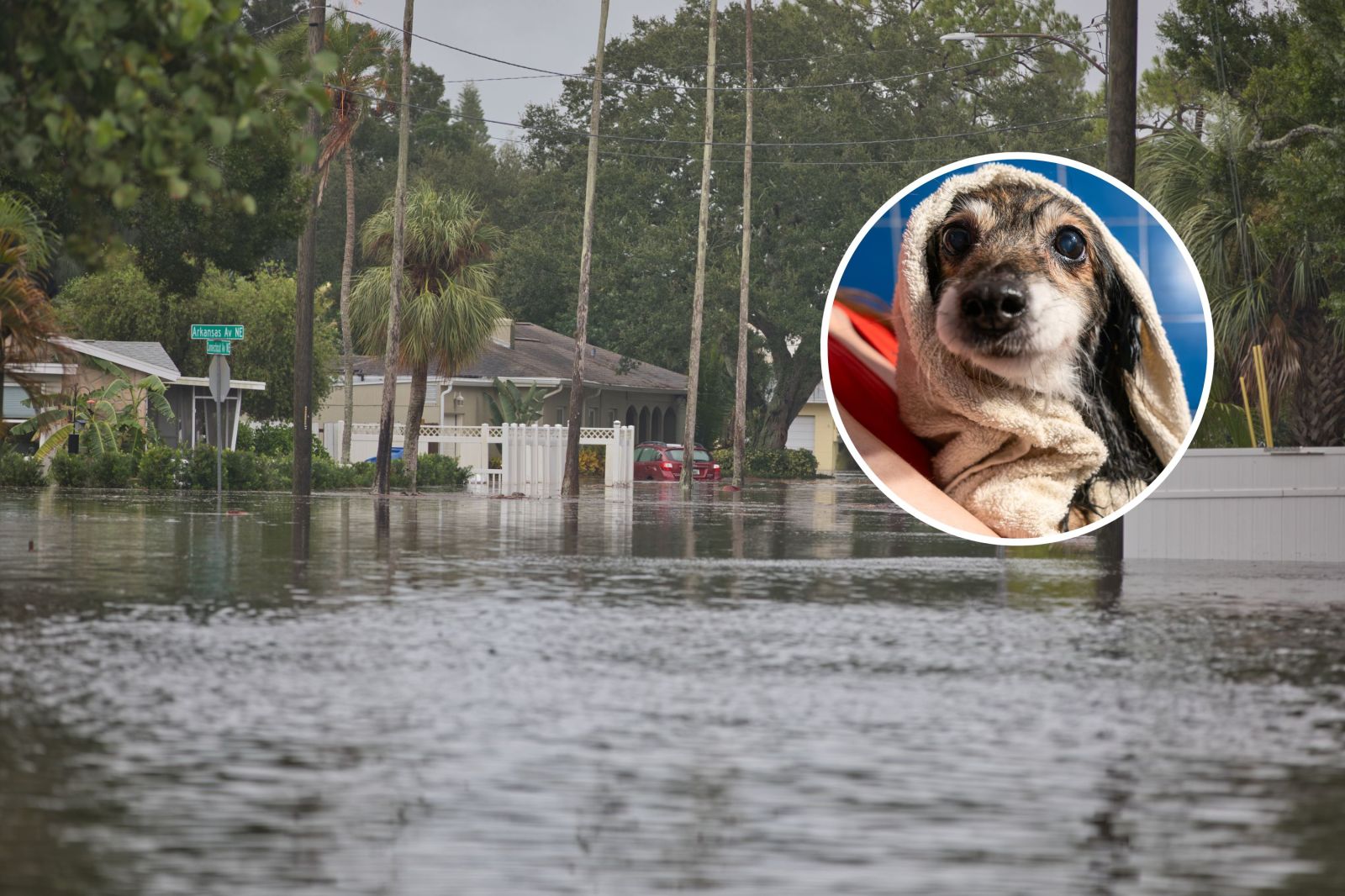
Pet owners should prepare for a possible “supersized” El Niño expected to impact the country this fall and winter. Those caring for livestock will face unique challenges during wet and wintry conditions.
Understanding El Niño’s Impact
The latest forecast indicates that El Niño could reach peak strength at the end of this year. There is a 75% chance it will hit historic levels from October to December. According to United Nations Secretary-General António Guterres, it is evident that the planet is entering uncharted waters with warming oceans.
El Niño occurs when central and eastern tropical Pacific Ocean temperatures become unusually warm. This affects atmospheric patterns and shifts weather worldwide. In the United States, El Niño typically brings wetter winters to the southern tier, including California, while the northern tier tends to be warmer and drier. Animal owners should prepare for the specific risks in their region as conditions differ from one El Niño to another.
Preparing Livestock for Winter
Preparing cattle for a potentially wet and cold winter is different from preparing dogs or cats. Cody Deluisio, herd manager at Deluisio Angus in Pennsylvania, explains that cattle rely on the food they consume to stay warm.
“Cattle’s internal furnace is powered by digesting roughage,” he said.
During an El Niño winter, with wet freezing rain, their coats get wet and lose insulation. Owners might need to provide additional feed or protection from the elements. Deluisio Angus plans to have about 30% more hay available this winter.
Managing cattle in El Niño means giving them the food and environment needed for warmth and dryness.
Protecting Livestock from Weather Conditions
Rain presents challenges for livestock, creating muddy conditions. Cattle can quickly turn wet ground into mud, which leads to injuries or hoof rot due to moisture. Owners should consider managing high-traffic areas around gates, feeding zones, and water sources. Using mats or concrete can help maintain these areas.
Wind protection is critical during cold, wet, and windy conditions. Instead of keeping cattle in heated barns, Deluisio relies on three-sided sheds for ventilation and wind escape.
“Even on the coldest of days, you’d be surprised how much warmer it feels in the windbreak than outside,” Deluisio noted.
The goal is to provide cattle with food and environments to maintain their body temperature, even when outdoor facing harsh conditions.
Planning for Dogs and Cats
Precautions for household pets are generally simpler but essential. Ali Smith, a canine behavior consultant, says that region-specific precautions should be taken depending on weather risks.
- For heavy rain areas, consider indoor potty areas.
- In flood-prone regions, develop a structured emergency plan.
Owners should ensure they have emergency supplies, including food, water, and medications. Keep identification and veterinary records accessible for evacuation situations.
Cat owners need to prioritize getting cats comfortable in carriers for emergencies. Smith emphasizes the importance of this preparation.
“Getting cats used to a carrier is a thing we need to prioritize especially in these areas!” Smith said.
Dogs should have a secure leash and harness. Standing or floodwater can be hazardous, especially if contaminated. Planning for pet-friendly accommodations or boarding facilities can prevent last-minute scrambles during emergencies.
El Niño’s exact weather impact will vary by location, and it does not guarantee severe weather for any specific community. Being prepared can help manage the unpredictability of a strong El Niño winter.