
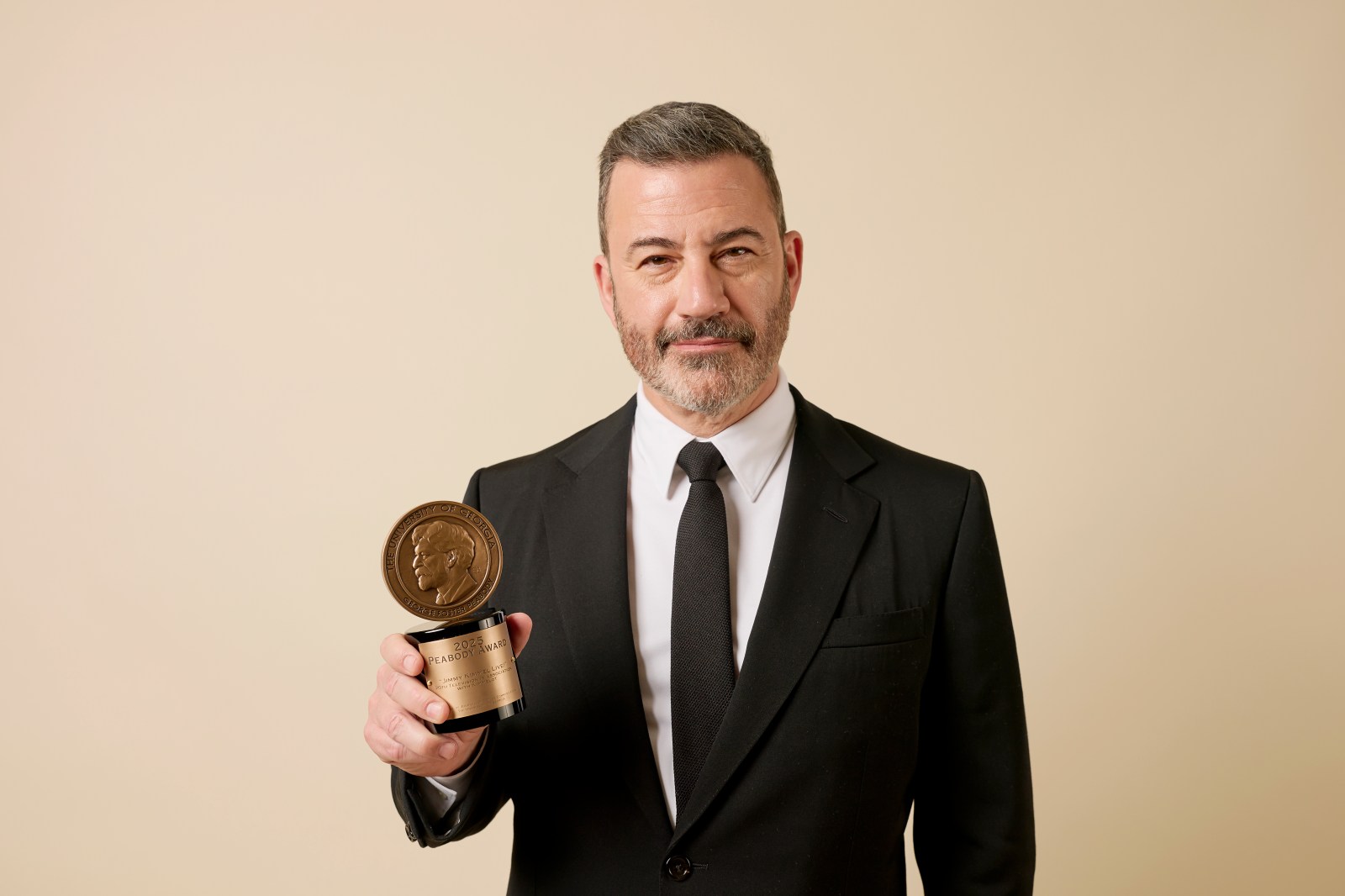
The ongoing conflict involving comedians, broadcasters, and federal regulators has made its way back to the courtrooms and the nation’s airwaves. This dispute raises significant First Amendment concerns in the United States.
September 17 marks a year since Brendan Carr, then-Chair of the Federal Communications Commission (FCC) under President Donald Trump, urged media outlets to discontinue airing comedian Jimmy Kimmel’s show. This request followed Kimmel’s remarks regarding the ‘MAGA gang’ and their attempts to capitalize on the death of Charlie Kirk, a conservative activist. Kimmel humorously compared Trump’s reaction to the death to that of a child mourning a goldfish, eliciting strong backlash from Carr.
Carr labeled Kimmel’s statements as ‘some of the sickest conduct possible’ and warned ABC’s parent company, Disney, of serious consequences if they did not act. Following this, ABC temporarily suspended Kimmel’s show, a move that lasted six days and reportedly led to significant cancellations of Disney+ subscriptions. These events reignited concerns about free speech and potential censorship under Trump’s administration.
Attorney Bob Corn-Revere from the Foundation for Individual Rights and Expression (FIRE) noted the long-standing nature of this conflict. He observed that it mirrors past attempts by the Trump administration to revoke network licenses, mentioning that Carr seemed intent on fulfilling presidential directives.
Kimmel and Carr at Odds Again
After a year, Kimmel claims renewed scrutiny from the administration. Recently, he informed his audience that an interview with Democratic state Representative James Talarico, who is campaigning for a U.S. Senate seat in Texas, would be released on YouTube instead of airing on television due to FCC pressures.
The FCC, in January, announced changes to regulations requiring equal time for political candidates, affecting traditional TV talk shows. Kimmel criticized the administration for threatening his show and network through editorial and guest booking decisions.
The White House countered Kimmel’s claims, describing them as dramatized and stating that Carr had not threatened actions concerning the Talarico interview. However, the backdrop of last September’s events suggests continued pressure on private companies regarding their programming.
Corn-Revere stated, ‘Broadcasters have a right to present content without fear of FCC interference; this situation demonstrates outdated rules endangering editorial freedom.’
Anna Gomez, the FCC’s sole Democratic commissioner, accused the agency of intimidation, asserting they lacked authority to threaten licenses based on guest bookings or editorial choices.
Legal Battle in Progress
In response to Carr’s January threat, Disney and ABC are contesting in court, challenging what they term unlawful coercion. Carr initiated an early review of several ABC stations, citing long-standing discrimination concerns at Disney, a move perceived by many as retaliatory.
Disney and ABC argued in their lawsuit that the FCC’s actions represented a retaliatory campaign against ABC’s broadcasting decisions. Key elements of the lawsuit include Carr’s remark from last September as evidence of coercion.
As Disney fights back, it draws attention to ongoing regulatory pressures and their influence on editorial decisions. The FCC’s actions could aid Disney’s claim of enduring pressure from regulators.
Kimmel resumed his show post-summer hiatus, addressing his audience about recent challenges. He noted, ‘We’ve faced many obstacles, including unconstitutional regulatory threats, but we’re still here.’