
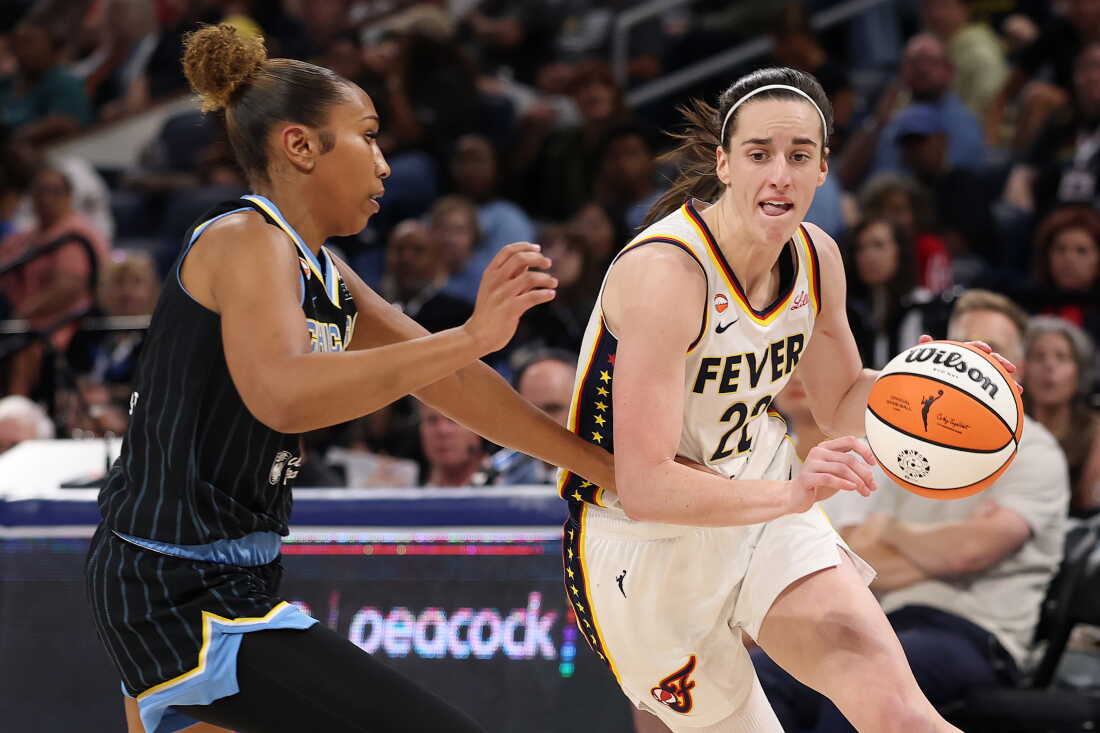
The Women’s National Basketball Association (WNBA) is experiencing a transformative year with increases in both viewership and attendance. The league’s value has reached new heights, especially after signing a massive $3.1 billion media rights deal. Sabreena Merchant from The Athletic highlights the league’s progress, citing the abundant talent and improved gameplay quality. The unpredictable playoff race adds to the excitement for the title in 2026.
Despite successes, the WNBA faces controversies tied to political and cultural debates. Media Matters reports over 206 Fox News segments since June 25 focused on the WNBA, often highlighting tensions around race and transgender athletes. Merchant notes the league is seen as a political tool by some, bringing issues beyond the court.
The Chicago Sky’s management has sought national security experts to protect players off the court. Additionally, league commissioner Cathy Engelbert plans to step down, leading to discussions on finding a successor able to better control the narrative and shield the league from political conflicts.
Physicality Concerns in WNBA
Concerns over physicality in the WNBA may stem from misogynistic views. Some believe women should not partake in physically demanding activities like professional sports. Such notions influence objections to physical play in women’s athletics.
Caitlin Clark’s Influence
Indiana Fever’s Caitlin Clark, a key figure since her 2024 debut, has been a driving force behind the league’s popularity. Her participation in games frequently sets viewership records. Speculations exist about special treatment from the league, with Merchant noting perceived imbalances in player access and relationships with officials.
There are online claims that Clark receives tougher defense from Black players due to her marketing prominence and resulting fanbase. However, data shows Clark draws more fouls than other guards, attributed to her high ball usage and aggressive play, rather than targeted defenses.
Transgender Athlete Debate
Sophie Cunningham of the Indiana Fever has capitalized on her association with Clark. In an ESPN profile, she controversially stated that trans women should not compete in women’s sports. This made her the first active female athlete to publicly voice this opinion. While the WNBA’s collective bargaining agreement requires players to be women, it lacks a definition, leaving the issue theoretical as the league has yet to face requests from transgender athletes.
Officiating Challenges
Players across demographics agree on the subpar officiating in the WNBA. The league lacks full-time officials, with many referees also managing college games. Quality officials often transition to the NBA. These challenges affect game management due to rule differences between leagues.
Overseas Play for Additional Income
Before the 2026 collective bargaining agreement, the average WNBA player salary was around $100,000, leading many to seek overseas contracts for better pay. These practices involve rigorous year-round schedules, limiting recovery and personal time. The new agreement raises the average salary to approximately $600,000 along with revenue-sharing terms. Players’ earnings are now more aligned with league profitability, providing better financial stability.
The broadcast adaptation of this interview was produced and edited by Monique Nazareth and Susan Nyakundi. Bridget Bentz, Molly Seavy-Nesper, and Beth Novey contributed to its web adaptation.