
Reader feedback is a critical part of being a sports writer. Every time I share an article about college football, I make sure to check the comments section. Whether I’m writing about Dabo Swinney’s struggles at Clemson or Texas Tech’s challenges in the Big 12, the responses tend to follow a pattern.
Common refrains include complaints about how NIL (Name, Image, Likeness) has negatively affected the sport. While I often continue with my day after reading these comments, the evolving changes within college football present real challenges for fans and writers alike.
Personally, college football is my preferred sport. Despite the complexities introduced by NIL rules and unrestricted player movement, I eagerly watch games every Saturday. Yet recent developments are causing even loyal followers like myself to reconsider the current state of the sport.
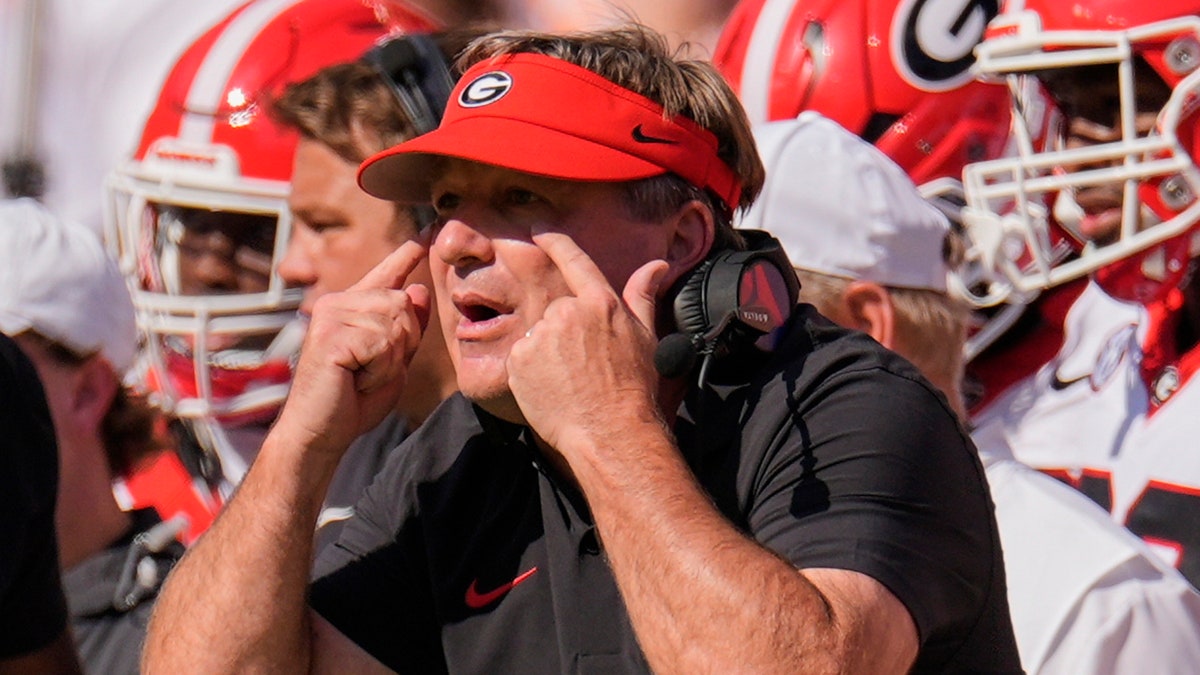
The Georgia Bulldogs recently played against a significantly weaker opponent. The result was predictable, as Georgia dominated the game.
After the game, Georgia’s football team shared a trailer on their social media account. This video preview linked to a full highlight film accessible only behind a $20 paywall. Worse yet, the link directed fans to a third-party website called Glory Glory.
Glory Glory is promoted as a platform providing exclusive content and access to fans. The revenue collected supposedly contributes to players’ NIL funds. This practice has drawn widespread criticism from fans in the comments.
Questions are being raised about how far these practices will go. Universities have introduced revenue-sharing, NIL collectives, and even “talent fees” on season tickets. Wealthy alumni are also funding substantial portions of NIL expenses.
These changes have even attracted federal attention as stakeholders look to “save college sports.”
Despite ongoing discontent, these practices seem set to continue. My passion for college football remains strong, but many fans are growing increasingly disenchanted. Initiatives like Georgia’s paywall exacerbate such sentiments.
It’s time for introspection to prevent this beloved sport from deteriorating into an unrecognizable form. Addressing concerns may help halt the decline before irreparable damage occurs.