
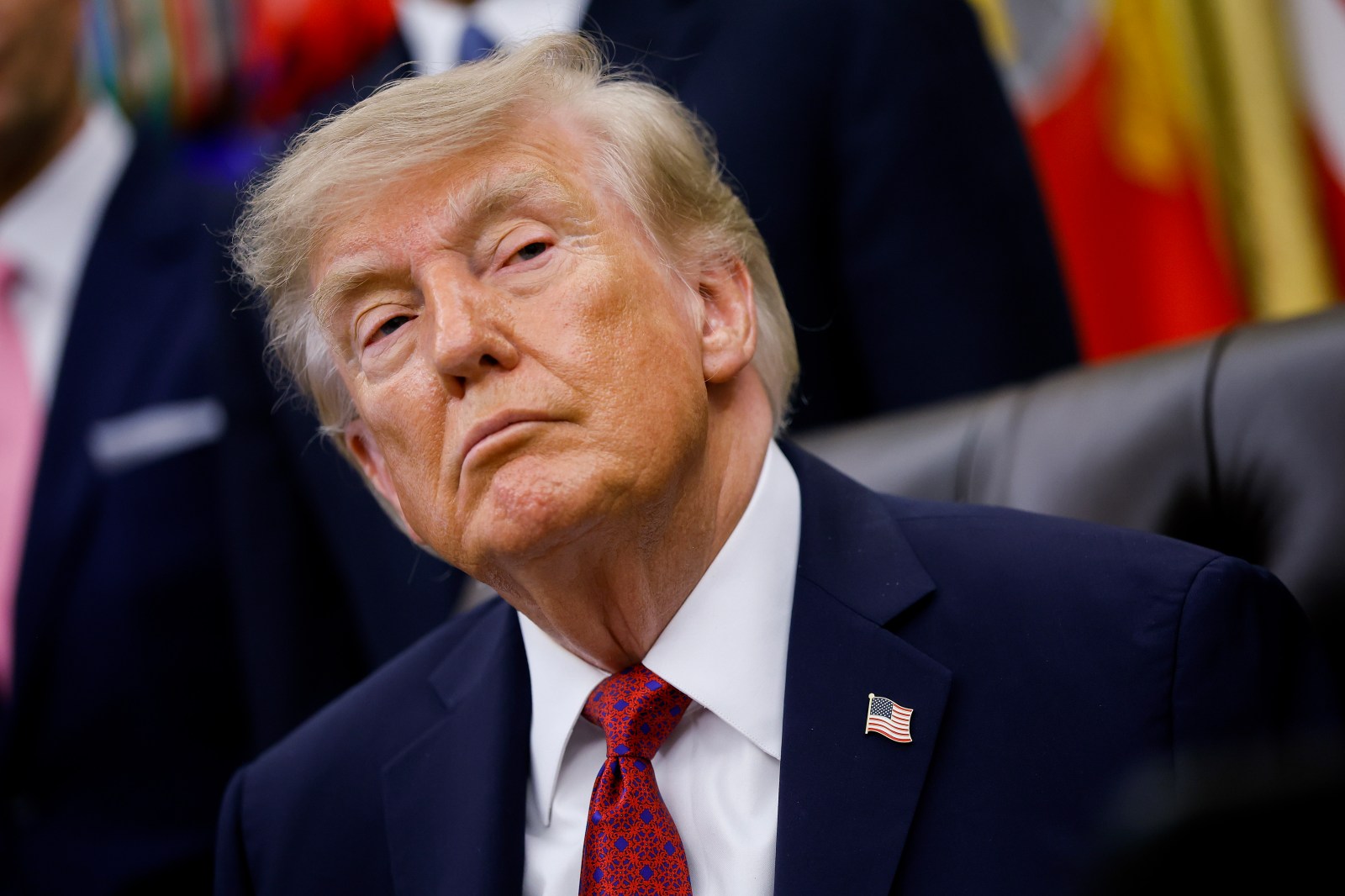
The Restoring Opportunity for Advanced Education Act, introduced by Representative Shomari Figures, an Alabama Democrat, proposes significant changes to student loan restrictions implemented under President Donald Trump’s administration. The bill aims to reinstate the Grad PLUS loans and eliminate borrowing caps set by the One Big Beautiful Bill Act (OBBA).
Background on Loan Caps
Effective July 1st, the Trump administration imposed limits on federal loans for graduate students, ending the Grad PLUS program for new borrowers. These measures intended to curb excessive debt and pressure institutions to reduce tuition costs. However, critics argue that the restrictions hinder middle-income students from accessing graduate education due to financial barriers.
The Proposed Changes
The Restoring Opportunity for Advanced Education Act proposes to abolish annual and lifetime borrowing limits, restoring the Grad PLUS loan program. This initiative could increase the funds available for degree programs, potentially countering the administration’s aim of controlling education costs.
Concerns and Criticisms
Kevin Thompson, CEO of 9i Capital Group, mentioned that lifting the caps may allow excessive borrowing relative to expected income, reinforcing the need to manage program costs.
Education experts warn that new limits could force students to rely on private loans, which often lack the protections and flexible repayment options available in federal loans.
Alex Beene, a financial literacy instructor at the University of Tennessee, noted that an estimated 370,000 graduate students could face difficulties accessing needed federal loans, potentially leading them to more restrictive private lending options.
Legislative Challenges
The bill faces obstacles in a predominantly Republican Congress that initially enacted the current borrowing limits. Given the partisan landscape, it’s uncertain whether the proposal will pass, though it highlights ongoing debates over federal student loan policies.
Representative Figures emphasized the importance of keeping education accessible, saying the restrictions unfairly limit opportunities for deserving students unable to pay upfront costs.
The legislation’s fate remains uncertain, yet it signals continued discussion on the federal approach to managing student debt and education affordability.