
The USS Abraham Lincoln, a Nimitz-class aircraft carrier, has anchored near the city of Pattaya on Thailand’s east coast after an extensive voyage in the Middle East. This marks the end of a record-setting period of 286 days at sea, 250 of which were without a port stop. The arrival involves thousands of sailors, which Thai locals believe will positively impact the economy.
Pattaya is situated approximately 100 kilometers (62 miles) south of Bangkok, making it an accessible leisure destination for the 5,000 crew members seeking downtime during the Navy’s “liberty port call.” The time aboard the Lincoln involved significant challenges, including reported supply shortages, plumbing issues, and a mental health crisis. The Navy has denied attempted suicides among its personnel.
Rear Admiral Robert E. Loughran, commander of Lincoln’s carrier strike group, expressed relief at the arrival in Laem Chabang. “Our arrival provides a well-deserved opportunity for our sailors and Marines to rest and recharge,” he stated, highlighting the enduring partnership between the United States and Thailand.
Thai officials and businesses have warmly welcomed the visit, recognizing its benefits both economically and politically. The government’s public relations office assured a “warm welcome” from Pattaya. Local businesses anticipate the sailors’ visit as a unique experience, with expectations of economic stimulation.
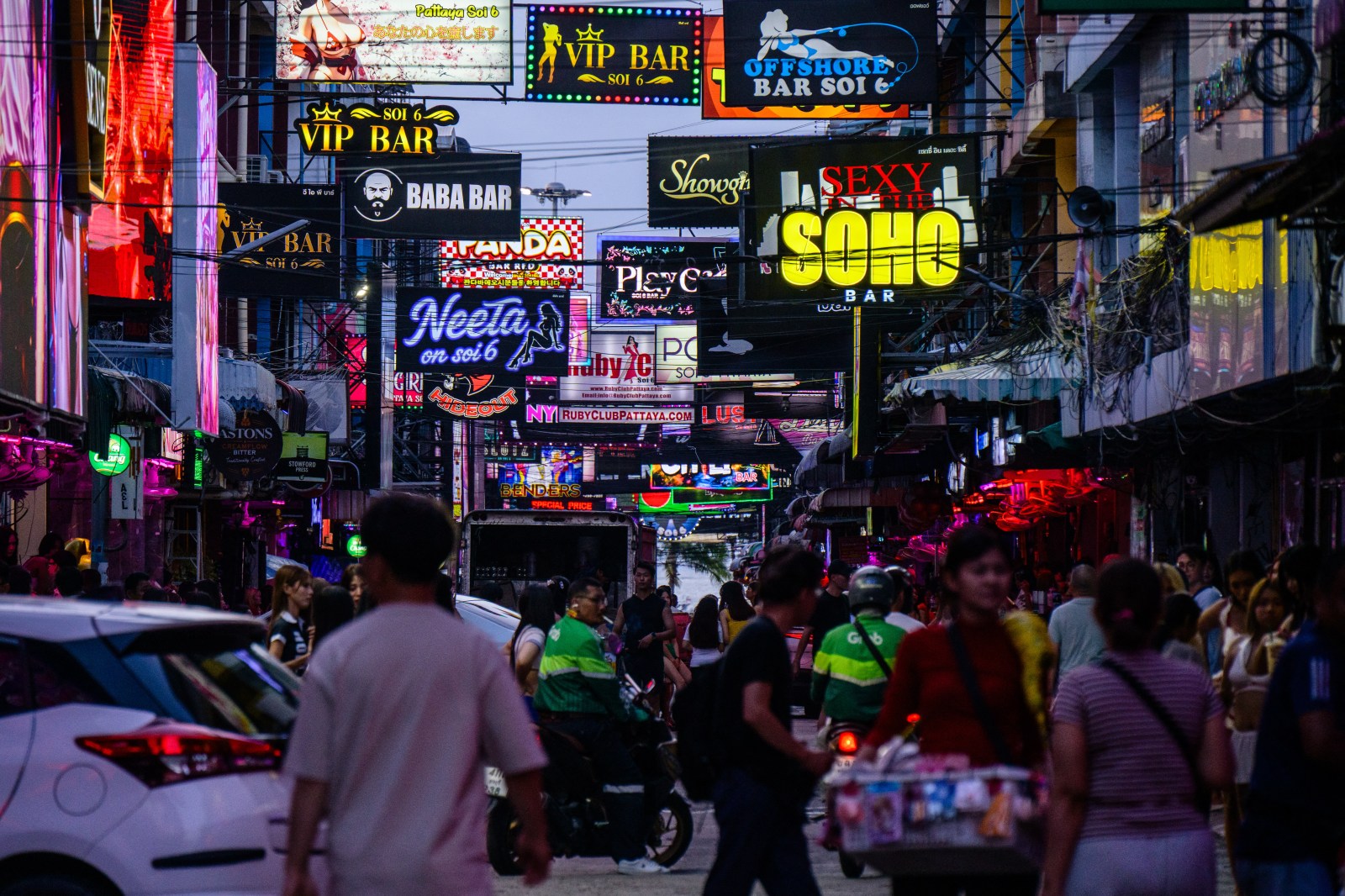
Pattaya is renowned for its beach resorts, vibrant nightlife, and sex tourism, despite efforts to alter its image as “Thailand’s sin city.” The U.S. military’s presence has significantly shaped Pattaya’s economic development and growing tourism industry since the 1960s.
Historically, Pattaya served as a leisure destination for American military personnel during the Vietnam War, due to its proximity to the Sattahip naval base and U-Tapao airfield.
Impact on Pattaya’s Economy
Officials in Pattaya have anticipated the USS Abraham Lincoln’s arrival, predicting a boost to the local economy after a slow period regarding international tourists. Sutharat Wangdee, managing director of PattayaCentral.com, expressed excitement over welcoming the sailors. She emphasized that the economic impact would benefit various sectors, including hotels, restaurants, transport operators, attractions, shopping venues, and many small Thai businesses.
In preparation for the influx of sailors, Wangdee noted an increase in staffing levels. Her experiences with U.S. servicemen and women have been positive, describing them as respectful and polite.
The Hard Rock Hotel in Pattaya shared similar sentiments, noting previous visits demonstrated the positive influence U.S. service members have on Pattaya’s tourism economy. They contribute to businesses like restaurants, shops, transportation, spas, and attractions.
Local authorities estimate that the sailors’ spending could range from 1,000 to 3,000 Thai baht each, equivalent to $30 to $90. If all 5,000 sailors explore local attractions, spending could ascend to approximately 15 million baht or $450,000. Further projections by the Thai Enquirer suggest spending might reach 100 million baht ($3 million), benefiting hotels, restaurants, entertainment, transport, and other services.
Security and Public Safety Measures
However, the city is preparing for additional expenses associated with the ship’s visit. Pattaya authorities have heightened security, deploying around 600 officials to ensure public safety and traffic management. Police increased patrols in crowded areas, tackling prostitution, and warned businesses against overpricing.
Navy personnel will face restrictions from specific areas, including Pattaya’s red-light district. The Thai government encouraged visitors to savor Pattaya’s beaches, culture, and hospitality.
Contact Newsweek editors on this story: Daniel Orton and James Debens.