
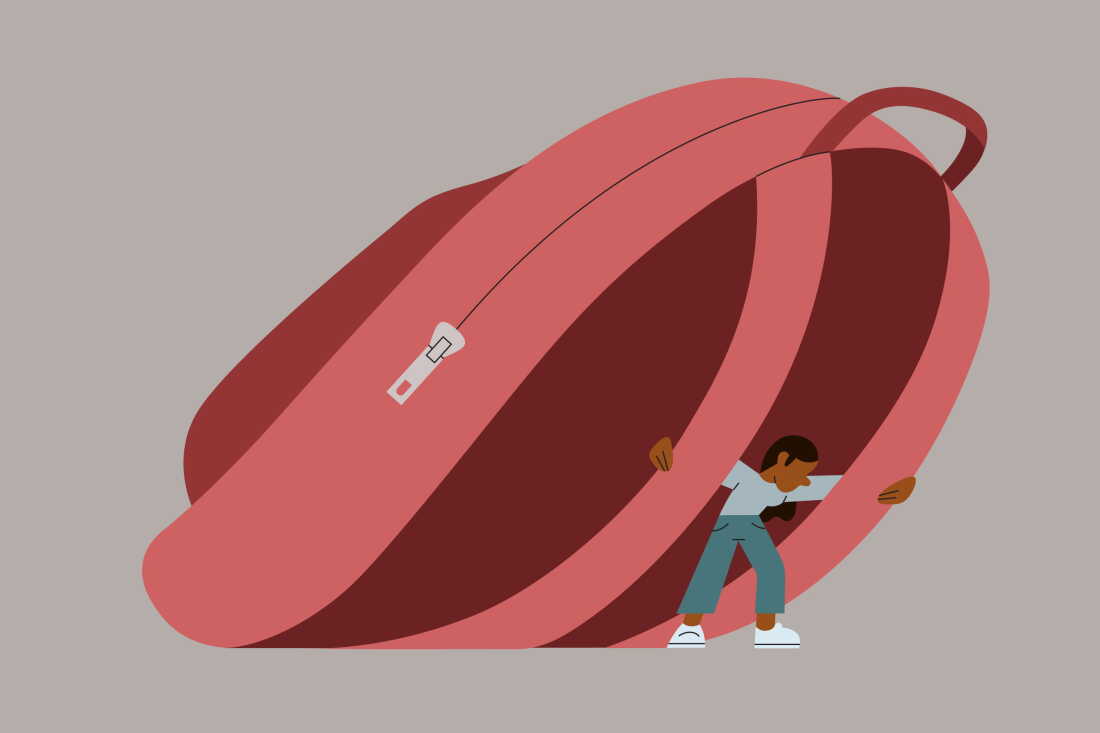
Today’s teens face significant emotional challenges, and their parents often struggle to communicate effectively about them. A recent Gallup poll highlights these difficulties. Teen psychologist Lisa Damour offers insights on how parents can support their children as a new school year begins.
Many pre-teens and teens experience substantial changes with each new school year. These changes include new routines, different classes, and evolving friendships. Parents can help their children navigate these transitions by understanding their emotions and providing support.
Insightful Survey Findings
A survey published in July 2024 explores the emotional state of today’s Gen Z youth. Conducted by the Walton Family Foundation and Gallup, in collaboration with teen psychologist Lisa Damour, the survey involved 1,675 children aged 10 to 18 and one of their guardians. The findings reveal that many Gen Z children feel pressured to be perfect and experience increased negative emotions like anxiety, especially among girls and teens.
Damour, author of books like Untangled, Under Pressure, and The Emotional Lives of Teenagers, notes that being a pre-teen and teen has always been challenging. This generation faces unique obstacles. “We’re asking a lot of them academically, and they must navigate a taxing social media environment.” She adds that about two-thirds of Gen Z youth worry about their future, according to the survey.
Encourage Imperfection
The survey indicates that roughly one in three Gen Zers struggle with perfectionism, particularly girls, teens, and oldest children. Damour explains that this pressure can harm a child’s self-esteem. The study shows that those feeling the need to be perfect are more likely to experience anxiety, sadness, and stress.
Encourage your teen to be comfortable with making mistakes. Damour suggests helping them recognize mistakes while maintaining positive self-regard. Remind them they don’t need to be perfect. This reassurance can help reduce negative emotions linked to perfectionism.
Engage in Open Communication
According to the survey, about one in six parents have difficulty comforting or communicating with their upset children. Many wrongly assume their teens don’t want to talk or won’t be receptive. “Teens appreciate these conversations and care about adult perspectives,” says Damour. She advises parents to initiate conversations about their concerns.
If unsure what to say, simply listen. When teens were asked what adults could do to help when they’re upset, the top response was active listening. Taking their feelings seriously ranked second, while offering advice was much lower on the list. Use everyday conversation to address your concerns. For instance, “It sounds like your friend’s having a hard time at school. How are things going for you?”
Embrace Emotional Ups and Downs
Emotional lives of preteens and teenagers are complex. Most surveyed children reported frequent happiness, yet many also felt stressed, anxious, or sad. Damour points out that teens naturally experience intense emotions. “It’s not a sign of a problem but a sign of development.” Parents should focus on understanding and managing these feelings.
When a teen faces disappointment, like not being invited to a party, sadness is normal. Kids have effective coping strategies, such as crying, cuddling pets, or exercising. Parents should only intervene if harmful coping strategies are used. Accept that negative emotions are part of life; the response to them matters most.
If you have any thoughts or questions, reach out by emailing [email protected]. You can also listen to Life Kit on Apple Podcasts and Spotify, or subscribe to our newsletter.