
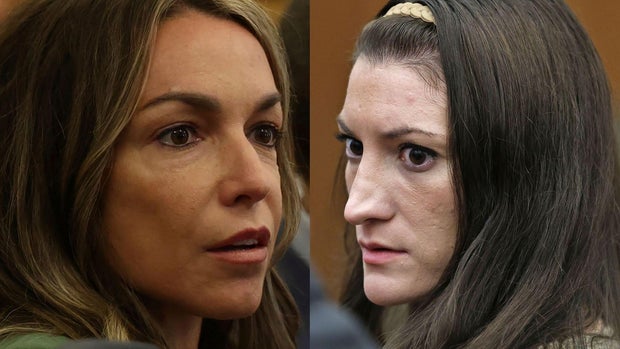
By September 1, 2026, the jury in Lindsay Clancy’s trial informed the judge that it was unable to reach a unanimous decision. This situation is termed a deadlocked jury. Judge William Sullivan ordered the jurors to continue their deliberations after receiving their message. Despite their efforts, the jurors left for home around 3:30 p.m. without reaching a verdict.
Massachusetts has recently seen a trend of high-profile cases ending with hung juries. Among the most notable are the trials of Karen Read in 2024 and Emanuel Lopes across 2023 and 2024.
Examples of Hung Juries
Emanuel Lopes faced charges for the murder of Weymouth Police Sgt. Michael Chesna in 2018. His initial trial in 2023 resulted in a mistrial due to a hung jury. During his second trial in 2024, the jury reported they were deadlocked three times over six days and 32 hours of deliberation. Ultimately, they reached a unanimous guilty verdict. Karen Read’s first trial in 2024 also ended in a mistrial after the jury was deadlocked. After five days and 27 hours of deliberations, they were unable to reach a consensus.
In Karen Read’s trial, the jury first reported deadlock after 17.5 hours, and then again after 23.5 hours. Despite additional deliberations, the case ended in a mistrial after a third report of deadlock. In a subsequent trial, Read was acquitted.
The Role of the Tuey-Rodriguez Instruction
In these cases, judges applied the “dynamite” charge, widely known in Massachusetts as the “Tuey-Rodriguez” instruction. This legal guidance originates from a case in 1973 and allows judges to send deadlocked juries back to deliberation at least twice. This process is repeated should juries ask for clarifications about the law.
The Tuey-Rodriguez charge emphasizes that resolving the case is preferable. It reminds jurors that future juries will derive from the same source and selection process, implying that no better-prepared jury will likely handle the case. The instruction encourages them to reach a decision, if possible, and emphasizes their duty to do so conscientiously.
If the jury remains deadlocked after three attempts, the judge may declare a mistrial. For Clancy, this means staying “in custody” at Tewksbury State Hospital under psychiatric care. The Plymouth County district attorney, Timothy Cruz, would then decide whether to retry Clancy on charges ranging from first-degree murder to lesser charges or to not pursue the case further.