
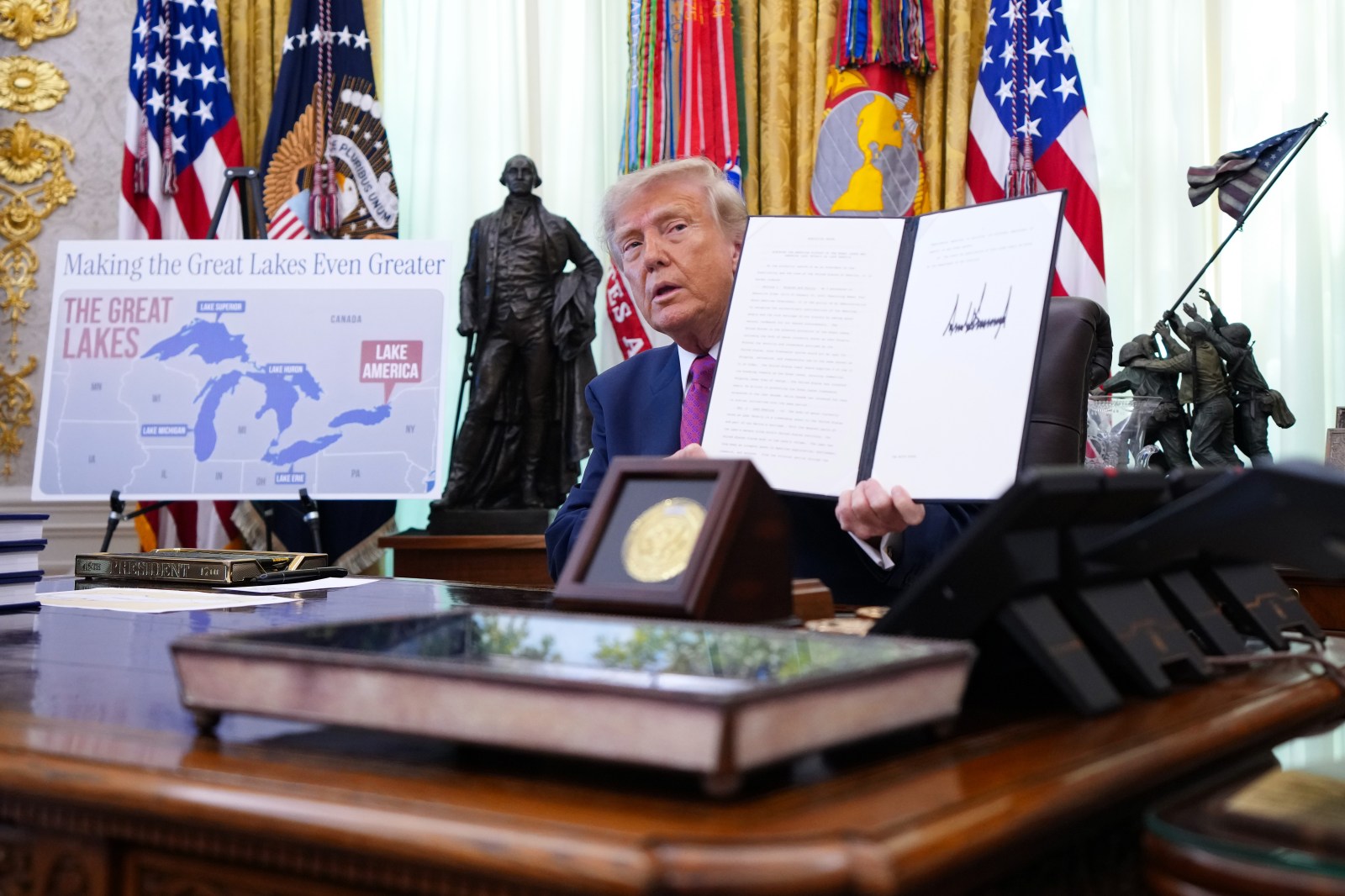
Google Maps received backlash after renaming Lake Ontario to ‘Lake America’ for U.S. users. Criticism erupted across Trustpilot, Google Maps reviews, and comments on a 9to5Google report. Users expressed dissatisfaction and accused Google of caving to political pressure.
The change followed a Trump administration entry into federal geographic records, showing ‘Lake America’ to U.S. users, ‘Lake Ontario’ to Canadians, and both names elsewhere. Google stated this was based on its practice of reflecting names from government sources.
Switching to Competitors
Trustpilot reviewer Dennis Joslyn emphasized that ‘Lake America does not exist,’ reaffirming the correct name as Lake Ontario. Similarly, Susan Buchan criticized Google on the Help webpage for aligning with the name change and vowed to stop using its products.
This uproar prompted many to delete Google Maps and opt for alternatives. MapQuest, which kept using ‘Lake Ontario,’ saw a surge in downloads, rising to number 4 in Apple’s U.S. App Store, and number 1 in Canada. Its usage spiked fiftyfold, as reported by Business Insider.
Despite Trump urging Apple to make the same change, Apple Maps continued to show Lake Ontario at that time. Newsweek sought comments from Google via email regarding the change.
Reaction to ‘Lake America’ Change
Trump signed an executive order on August 27 directing the renaming of Lake Ontario to ‘Lake America’ in federal records.
This order instructed federal agencies to update all references in maps, contracts, and communications, highlighting the lake’s role in U.S. commerce, defense, and energy. Trump argued the U.S. contributed more to Great Lakes protection amid ongoing trade disputes.
Notably, private map companies weren’t mandated to adopt the change. Google updated its maps based on the federal database change, continuing its practice of reflecting official sources. This mirrored actions when the Gulf of Mexico was renamed ‘Gulf of America’ in 2025.
Apple stayed silent despite Trump’s urging, though it had previously adopted similar renaming of the Gulf of Mexico. Conversely, MapQuest maintained the original name, emphasizing the independence of private mapping services from federal naming policies.
Canada’s Opposition
Canadian leaders opposed the renaming, asserting a U.S. executive order can’t dictate the name of a shared water body. Prime Minister Mark Carney highlighted the name’s historical roots and vowed to retain it. Ontario Premier Doug Ford unveiled a sign affirming the lake’s original name. Opposition leader Pierre Poilievre argued the naming rights don’t belong to Trump.
Indigenous objections also emerged, with Seneca Nation President J. Conrad Seneca calling for a reversal, citing erosion of Indigenous history. The name Lake Ontario originates from Indigenous languages, specifically the Huron and Wendat, translating to ‘lake of shining waters’ and ‘the lake is beautiful, big.’ The province later adopted the lake’s name.