
As news of the devastating floods in Nepal and Tibet spread globally, Nepali leaders in Chicago convened a virtual emergency meeting. Using Facebook Messenger, they discussed coordinating fundraising for disaster relief. Thousands of Nepali immigrants in Chicago and its suburbs have established nonprofits, opened restaurants, and run businesses. On August 15, the first Nepali street festival showcased Nepal’s art, music, and food in the Edgewater neighborhood. Now, community leaders are leveraging their collective strength for action.
Shriniwas Kabra, vice president of the Nepali American Center, attended this online meeting. He noted the diverse attendees had separate goals, but all agreed to combine efforts. They opted to send funds to Nepali government disaster accounts through planned traditional and online fundraisers. Kabra mentioned the future goal of collecting material goods as well. He emphasized the necessity of collaboration and assistance in any possible way.
“Everyone agreed that we need to work together, and we need to help in whatever way we can,” Kabra stated.
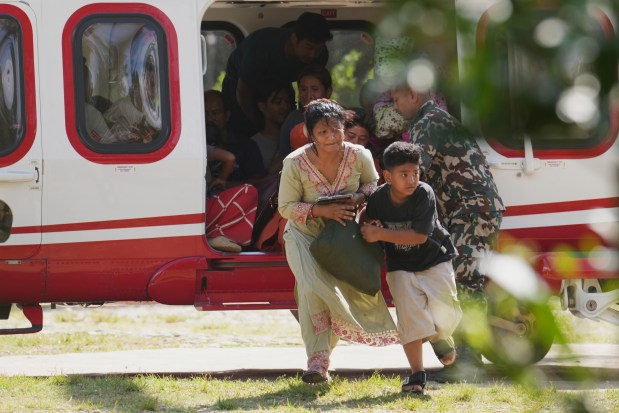
Nepal and China quickly responded to the flash floods, which reportedly killed nearly 600 people and left about 2,500 missing, based on government and rescue group data. Rescuers along the Nepal-China border extracted survivors, while helicopters evacuated stranded individuals. Photographs captured rescue scenes, including soldiers helping families onto helicopters from flooded areas in Nepal’s Nuwakot district on August 28, 2026.
On the Chinese side, a rescue team rappelled into a severely damaged checkpoint area. Rescuers were vigilant for potential flooding from a newly formed lake high in the Himalayas. Experts warned of overflow risks from the lake, created by a glacier collapse that triggered the initial floods. Videos depict floodwaters colliding with buildings and engulfing fleeing people.
The Nepali and Tibetan communities in the Chicago area swiftly organized to provide assistance. Kabra described seeing a video of the floods and initially thinking it was movie footage or artificial intelligence. Realizing its authenticity, he heard from friends and families in Nepal about the flood’s widespread impact beyond borders. He mentioned significant disruptions, such as inoperable highways and stretched resources, burdening the economy.
Kabra, owner of Emotional Bonding, a flower shop in Niles, committed sales from the week of September 6 to Nepal’s relief efforts. His partner restaurant, The Clove Indian and Nepali Cuisine in Glenview, planned a similar initiative allowing customers to donate for lunches directly to Nepali aid.
Several organizations launched a GoFundMe campaign after Wednesday’s emergency meeting, which raised about $600 by Friday. Rajan Shahi, president of Nepalese Aid based in Chicago, advocated for the GoFundMe and encouraged online donations to the Nepal Prime Minister’s Disaster Relief Fund.
On Thursday night, the Tibetan Alliance of Chicago held a vigil in Evanston for flood victims. Community members participated in prayer and Buddhist mantras led by Norbu Samphell, who expressed empathy despite the geographical distance.
“We feel like we need to do it, because when they are suffering, we should pray that these kinds of sufferings should be minimized,” Samphell commented.
Earlier in the month, Shahi reported nonprofit representatives discussing Nepali culture with fellow Chicagoans at the festival. Shahi hopes to host the event annually, stating the resilience and solidarity among Nepalese people.
“Nepalese people are resilient,” Shahi said. “We will stand together, support one another, and we will rise again.”
The Associated Press contributed to this report.