
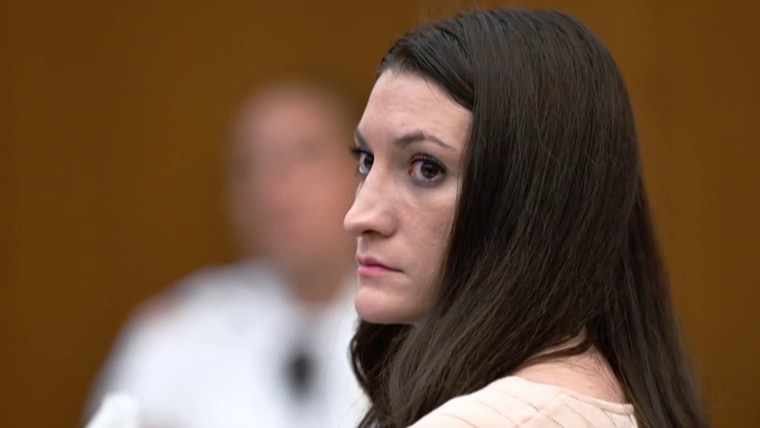
Lindsay Clancy, accused of taking the lives of her three children and attempting suicide, sought extensive mental health treatment in the months prior. Clancy, 36, consulted psychiatrists, contacted crisis hotlines, and visited emergency rooms. She was prescribed 13 different medications over four months as medical professionals tried to address her symptoms and manage adverse drug reactions.
Trial Examination
Prosecutors presented their case for nearly six weeks, calling 70 witnesses to argue the children’s deaths were planned. They suggested Clancy intentionally sent her husband out so she could act. In defense, Clancy’s attorneys highlighted postpartum psychosis, describing it as a condition that can distort reality for new mothers, framing the incident as a psychiatric emergency. Testimonies suggested a disconnect in Clancy’s treatment care, with insufficient coordination and access to her complete medical records.
“During multiple occasions, the diagnosis was missed and she did not get the right treatment.” – Dr. Veerle Bergink, Women’s Mental Health Expert
Clancy’s adverse reaction to antidepressants raised the question of whether her diagnosis extended beyond postpartum depression to postpartum psychosis.
Challenges in Treatment
Dr. Veerle Bergink, specializing in mental health during pregnancy and postpartum, noted how Clancy’s adverse reactions to antidepressants could signify a misdiagnosis. Dr. Tracy Moran Vozar saw Clancy’s case as a reflection of systemic issues in healthcare communication, especially for severe mental illnesses.
Timeline of Medical Care
September 2022
Clancy began seeing a psychiatrist, Dr. Jennifer Tufts, reporting anxiety, depression, and other symptoms. Initially diagnosed with generalized anxiety and adjustment disorders, she was prescribed Zoloft, later increased to 50 mg. However, Clancy reported increased depression and was told to discontinue Zoloft.
October 2022
Despite adjustments in medications, Clancy’s condition worsened. New prescriptions included lorazepam, buspirone, and hydroxyzine. Her anxiety persisted and was exacerbated by medication changes.
November 2022
Her condition continued to deteriorate. New medications were introduced, including trazodone and fluoxetine. Despite these changes, Clancy experienced adverse reactions, reporting dissociation and confusion.
December 2022
Clancy called a suicide hotline and sought inpatient treatment unsuccessfully. She was referred to the Women & Infants Hospital but was discharged. During this period, combinations of medications were prescribed, with continued reports of severe side effects.
January 2023
Clancy sought help from McLean Hospital but reported numbness and sleep issues. There were discussions about a possible bipolar disorder. No indications of psychosis were observed. Clancy left treatment with prescriptions for trazodone and Ativan.
The final appointment with Tufts indicated no suicidal or homicidal ideation, yet the tragedy followed shortly after.
If you or someone you know is in distress, contact the 988 Suicide & Crisis Lifeline or visit 988lifeline.org.