
Hollywood’s voice actors face a challenge. They must navigate artificial intelligence replacing their roles. Established actors make money using AI, while lesser-known actors struggle. These actors find fewer jobs and report being misled into training AI replacements. Unions call for restrictions on this technology.
Stacey Rivera, a Los Angeles voice actor for commercials and streaming services, fears AI’s impact. She questions if her work will exist in five years. Meanwhile, AI voices are quietly taking over.
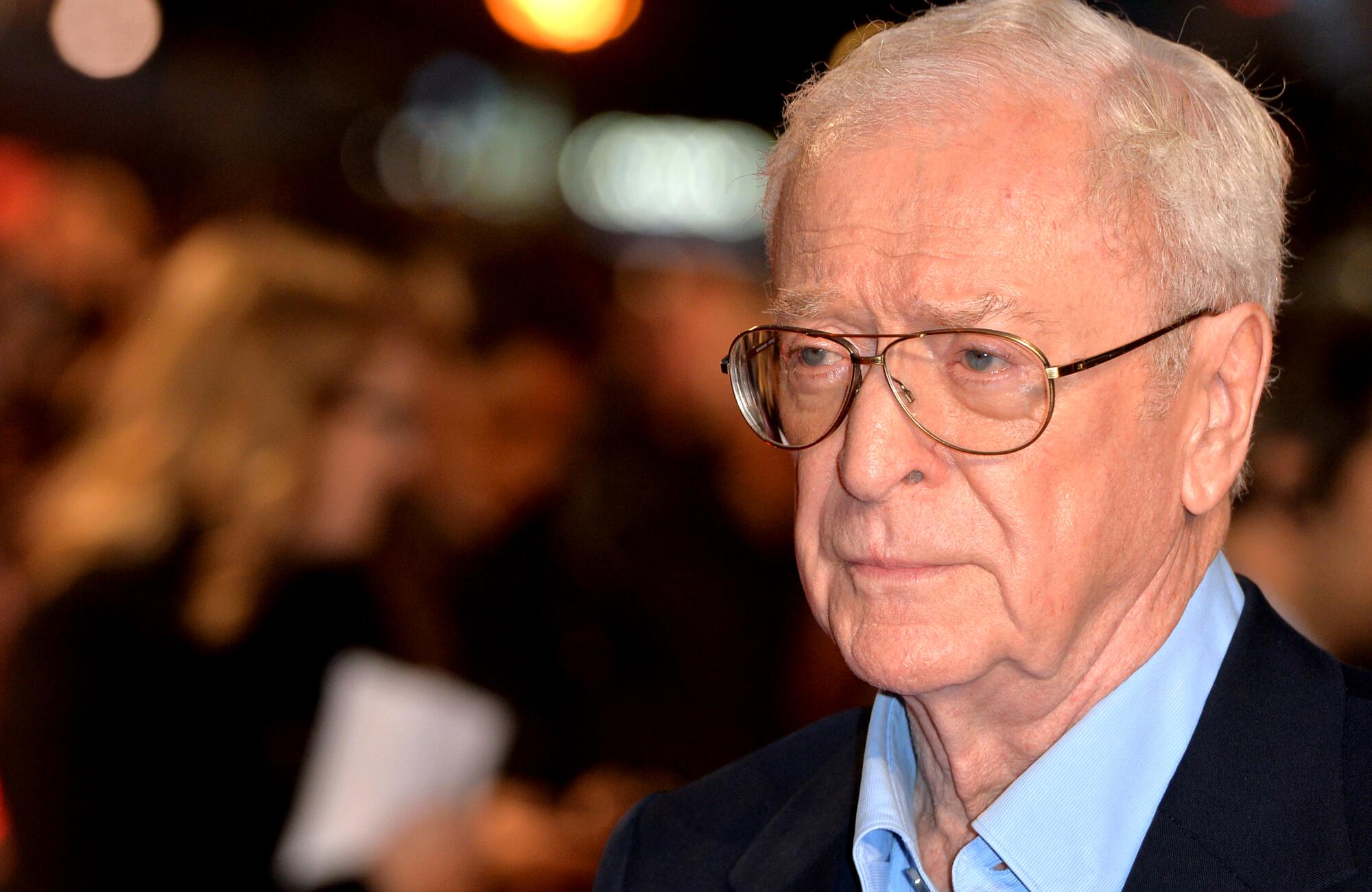
A clone of Sir Michael Caine’s voice narrates ‘The Odyssey’ audiobook. Caine licensed his voice to ElevenLabs, a New York AI company. Matthew McConaughey uses this technology for a Spanish version of his newsletter. ElevenLabs offers clones of various personalities for legal licensing. Notable actors receive substantial compensation for allowing their voices to be cloned. David Lawrence XVII, part of the SAG-AFTRA audiobook committee, insists actors should demand fair compensation to prevent being replaced.
Despite pushback, AI clones gain acceptance in Hollywood. A-list actors and their estates license voices for films and online platforms. Morgan Freeman, who previously took legal action against unauthorized cloning, is open to voice cloning.
A divide persists between actors opposing cloning and those embracing the change. On Reddit’s r/VoiceActing, frustration and disagreement abound. One actor declined a $100,000 offer to record their voice for AI training, citing moral concerns. AI voices are absorbing small gigs, affecting jobs like Instagram content and YouTube explainers.
Hollywood’s actors fought for AI protections in the 2023 strikes. SAG-AFTRA negotiated new limits on digital replicas. These agreements provide actors with informed consent, fair pay, and transparency when their voices are replicated. Studios must notify actors before using their voices and pay them as if they performed in person.
The National Association of Voice Actors, a nonprofit lobby group, warns freelancers against signing away voice rights. The NAVA AI rider contract offers protections for these actors, lacking federal law protection. Many voice actors, like Jessica Hepburn, see a drop in income due to AI’s presence in the industry. Hepburn turned to voiceovers in niche markets like erotica.
Some established actors profit from voice cloning even at low rates. Alicia McCalla, a fiction writer and voice actor, cloned her voice using ElevenLabs. Although she benefits financially, unexpected uses of her voice raise concerns. Over 10,000 creators earn passive income by listing their clones on ElevenLabs. The company assures creators control over their voices.
Unauthorized voice clones are common. Lawsuits target AI companies for allegedly unauthorized data collection. A recent class-action suit in Chicago involves major tech companies.
Stacey Rivera, another voice actor, feels caught between union jobs and lucrative AI offers. Union opportunities are scarce. Despite potential five-figure payouts, Rivera rejects training AI. She states the industry’s predatory nature is becoming normal.