
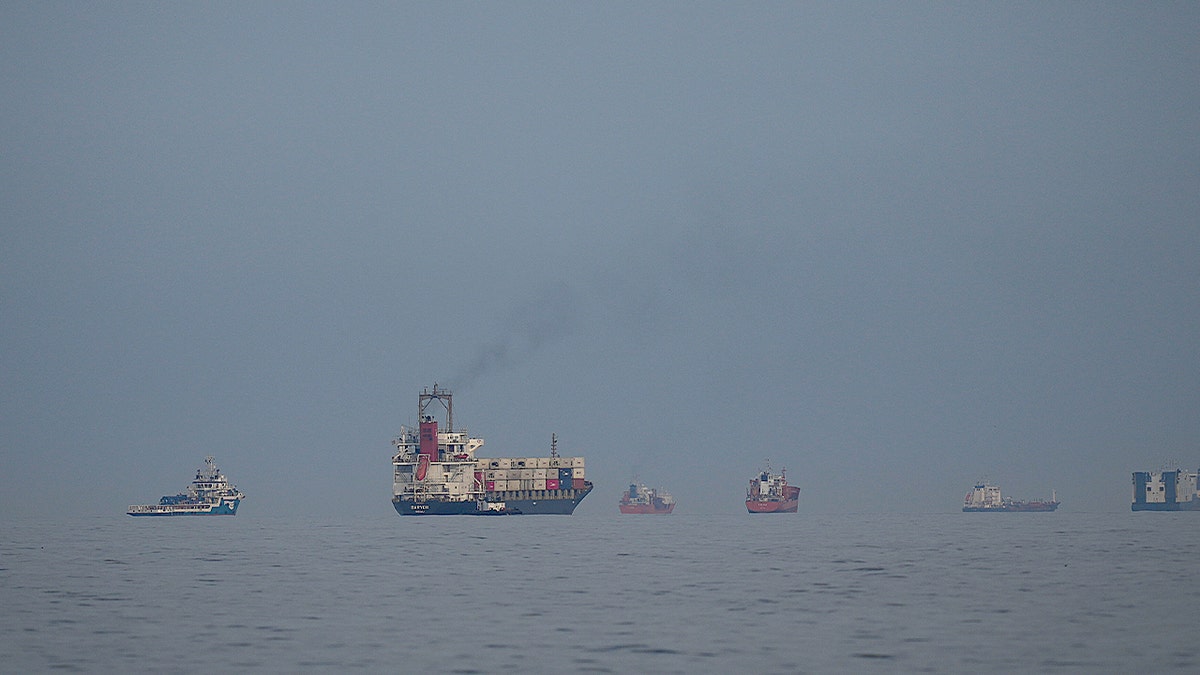
The United States is intensifying actions against Iranian oil exports, deploying a blockade that has left numerous Iranian oil ships stranded. The situation is dire as American forces extend their presence at the mouth of the Persian Gulf, effectively trapping Iranian oil within the region. However, Iran persists in its economic maneuvers, notably through ship-to-ship transfers, a tactic aimed at evading US-imposed sanctions and maximizing oil revenue.
In restless waters near Malaysia, east of Singapore, approximately 40 million barrels of Iranian crude oil are held aboard tankers, just outside the reach of the blockade. This stockpile is worth considering as it equates to nearly 20 large crude carriers. It represents a significant challenge as Iran seeks to monetize these resources despite strict international restrictions.
US Strategy and Economic Pressure
The Trump administration has shifted its approach from direct military action to a more insidious financial strategy. Treasury Secretary Scott Bessent recently unveiled ‘Operation Economic Outcast,’ a strategic move aimed at completely cutting off Iran’s income from oil exports. The goal is to implement a zero-leakage approach, ensuring that Iran faces severe economic restrictions.
A clear indication of this impact is the substantial drop in China’s imports of Iranian crude. Data shows a decrease from 823,000 barrels per day in July to an estimated 534,000 barrels per day more recently. Nonetheless, the substantial volume of oil that preceded the blockade continues to challenge US efforts to stifle Iran’s sales completely.
Challenges Facing the US
The US administration now faces the complex task of preventing Iran from profiting from oil reserves that managed to skirt the blockade. Treasury Secretary Bessent underscored the continued financial benefits that Tehran could extract from these offshore resources, even as restrictions inhibit new sales.
The situation is further complicated by the clandestine nature of ship-to-ship transfers utilized extensively by Iran to obscure the origin of crude oil. Often, these transactions involve independent Chinese refineries, necessitating the involvement of exchange houses and front companies to facilitate currency conversion and bypass sanctions.
International and Domestic Responses
Despite ongoing sanctions against several Chinese and Hong Kong maritime entities thought to be aiding Iran, the US has not designated any major Chinese financial institution as complicit. Max Meizlish, a former US Treasury official, suggested that further economic pressure might be needed, potentially targeting shadow-fleet vessels in Asian waters.
In alignment with Operation Economic Outcast, the US’s broad sanctions scheme notably targets digital assets, advancing beyond oil to include threats to aviation, technology, and gold sectors. These sanctions extend to penalizing any entity willing to engage with Iran, reinforcing the blockade’s efficacy and scope.
Future Implications
The challenge remains considerable as oil reserves already stationed outside the blockade persist as a possible revenue stream for Iran. Congressional discussions allude to broadening maritime enforcement strategies, aiming to bolster capacities should the Navy require support.
As an ongoing situation, it remains crucial to monitor whether Tehran continues to navigate its way around the blockade. Whether the US resolves to act more decisively in areas like Malaysia will likely determine the success of its commitment to ‘total isolation’ of Iran.