
A heat wave and power failure in Kim Stanley Robinson’s novel The Ministry for the Future highlights a grim reality: extreme weather can lead to massive loss of life. The story, once fictional, increasingly mirrors real-world discussions about climate change.
Scientists warn of more intense weather events. Heat waves, floods, and hurricanes are becoming more common and severe. Climate expert Daniel Swain from the California Institute for Water Resources mentions the persistent risk of these weather extremes becoming a reality.
Tracing the history back to the 1850s, Eunice Newton Foote experimented and discovered that carbon dioxide traps heat more efficiently than other gases. This process is the basis of today’s global warming concerns, raising Earth’s temperature by 1.44 degrees Celsius since the early 1800s.
The U.S. has significantly contributed to greenhouse gas emissions. Despite this, national efforts to mitigate climate change remain contentious, with figures like former President Donald Trump dismissing climate policies.
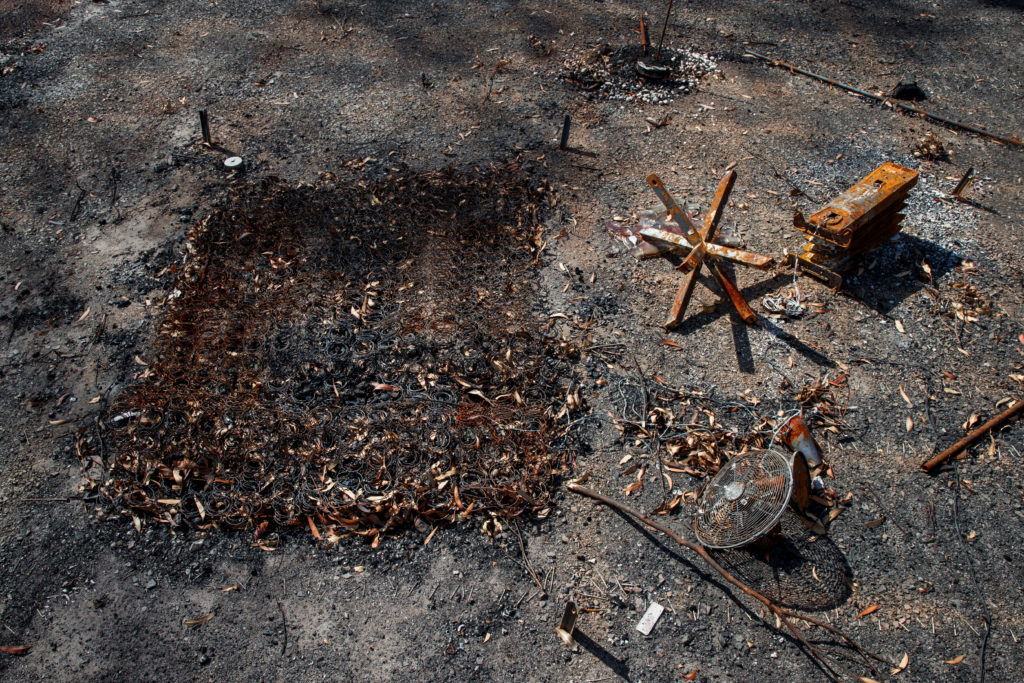
Recent catastrophes exemplify the onset of an era dominated by extreme events. Australia’s 2019-2020 wildfires, Pakistan’s 2022 floods, and destructive hurricanes in the U.S. highlight the urgent need for change. Climate scientist Sarah Perkins-Kirkpatrick underscores that even immediate carbon reduction won’t halt ongoing extreme weather due to existing atmospheric CO2 levels.
Robinson notes the rising wildfire threat and societal vulnerabilities to climate disasters. Psychology also plays a role; the tendency to avoid unpleasant topics complicates climate change discussions. As climate models improve, Sonia Seneviratne, a leading climatologist, warns that each temperature increase heightens the risk of significant events.
Reflecting on California’s earthquake preparedness, Lucy Jones points out that acceptance of risks leads to action. She describes climate denial as a coping mechanism, suggesting that belief in both risk and solutions is essential.
Cultural narratives often depict climate disasters as either solvable or catastrophic. Movies like The Day After Tomorrow and Don’t Look Up dramatize extreme outcomes, influencing public perception and understanding.
Scientific consensus suggests that climate events may amplify further. Human-produced greenhouse gases over the past half-century exacerbate this risk. Critics of climate science cite incorrect models, but evidence suggests impacts are accelerating faster than projected.
Coral bleaching and Amazon rainforest concerns indicate possible tipping points, where recovery may become impossible. Extraordinary El Niño events could trigger further global temperature rises and damage.
As climate expert Tim Lenton asserts, discussions need to address the potential for severe impacts. Awareness and discourse are crucial in navigating a future shaped by these challenges.
AP’s climate coverage is supported by private foundations, maintaining editorial independence. For details on their funding and journalism standards, visit AP.org.