
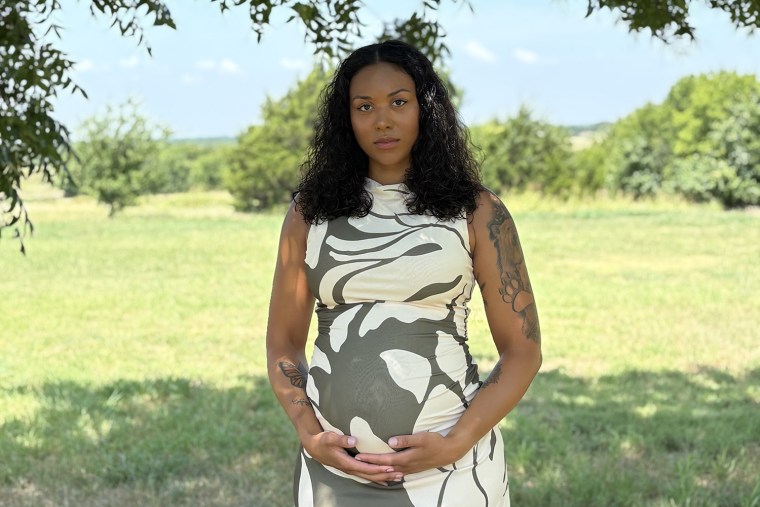
The surrogate in a complex legal conflict across several states has voiced her perspective on the controversial circumstances surrounding the birth of a baby with a rare heart condition. McKenna West, a cardiac nurse from Alaska, played a crucial role in bringing baby Rumi into the world in Texas. She carried the child for Omar Ahmed and Nausheen Gilkar. Upon birth, the baby required immediate medical intervention due to a congenital heart defect known as hypoplastic left heart syndrome.
In an editorial published by the New York Post, West explained her motivations. “People have called this political theater. It isn’t,” she wrote. She highlighted her wish to give Rumi a chance at life. Her decision stemmed from her medical experience, believing survival was possible through surgery.
The representative for Rumi’s biological parents did not comment on the editorial. They mentioned adherence to a court-appointed guardian’s request to protect Rumi’s privacy.
Documents reveal tensions began long before Rumi’s birth. During a 20-week anatomy scan, doctors diagnosed the heart condition. The surrogacy agreement allowed the parents to request an abortion if defects were found. However, West chose not to proceed with termination, expressing her concerns regarding her conscience and the potential regret she might feel.
West’s decision met resistance. The parents, Ahmed and Gilkar, applied legal pressure due to what they saw as a contract breach. Their counterclaim acknowledged contact differences emerged after West refused an abortion. They eventually conveyed understanding of her decision to carry the pregnancy to term.
The ensuing legal dispute traversed three states. The biological parents sought a California court order to establish parental rights following communication breakdowns. Conversely, West sought to dismiss these proceedings by filing for custody in Alaska.
Despite disagreement, both parties aimed to provide necessary medical care for Rumi. While West consulted specialists in Texas, believing their outcomes superior, the parents preferred Los Angeles’ Cedars Sinai Medical Center.
West expressed that Rumi warranted an advocate to guarantee ongoing care. Legal misunderstandings continued, with parents denying claims about refusing treatment. California case files, remaining sealed, state they never intended to decline medical recommendations.
Rumi underwent the Norwood procedure on Monday as part of multi-stage surgeries. In-hospital survival rates are high, but long-term survival poses risks, as described by professionals. Dr. Scott Hadland shared insights on challenges faced by children undergoing such sequences of surgeries.
West remains steadfast in her stance, focusing on Rumi’s health and advocating for his well-being. She believes ensuring Rumi’s treatment takes precedence and reflects her commitment to his survival.